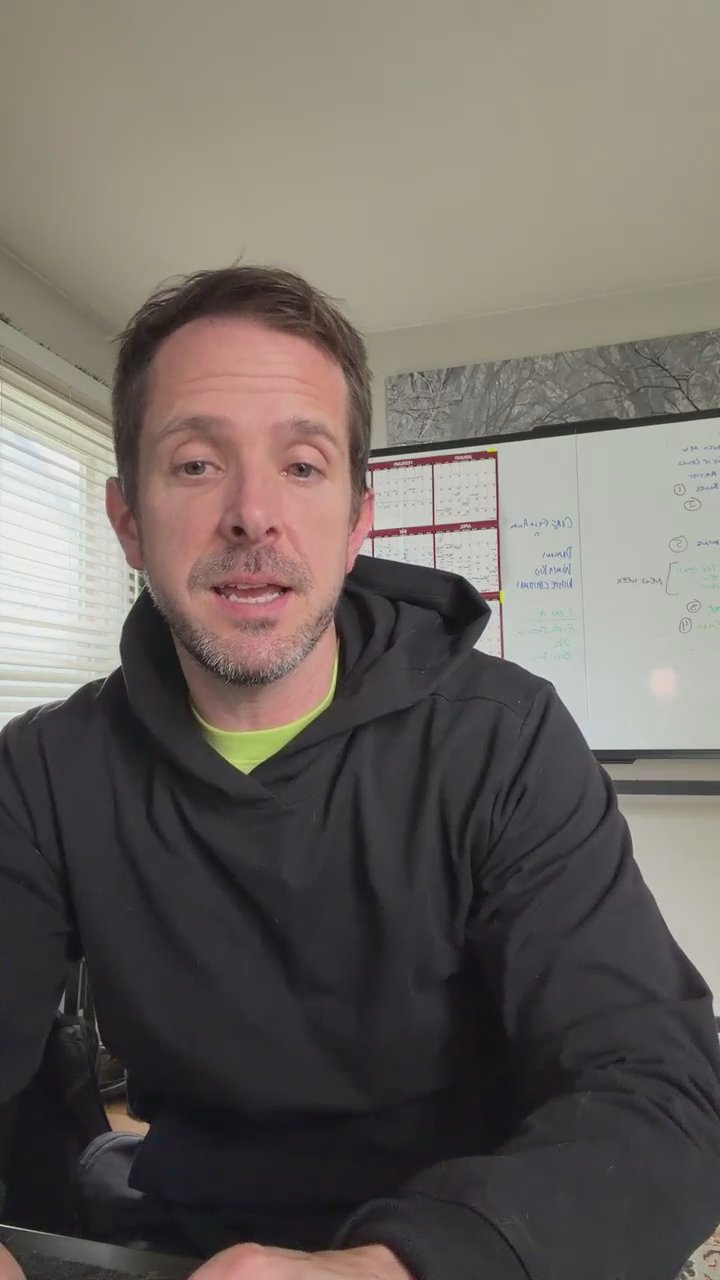
A musical intro leads into JC introducing Cadre Today and offering a warm reminder that worth doesn't depend on capacity. This orients viewers to the show's tone and purpose before shifting to the episode topic.
A musical intro leads into JC introducing Cadre Today and offering a warm reminder that worth doesn't depend on capacity. This orients viewers to the show's tone and purpose before shifting to the episode topic.
JC names the concept of holding space and explains common perceptions before setting up an anecdote about stage-managing an event. This prepares viewers to learn practical insights rooted in real experience.
JC recounts arriving at an event with little prep, stepping in to ask key questions and ensuring the intention was honored. The story shows why mindful space-holding matters and that outcomes can still be positive.
JC compares holding space to reading a story to fifth graders, emphasizing that the holder's belief and presentation bring content to life. Viewers learn to deliver with purpose so participants feel included and engaged.
JC warns that what excites organizers often differs from what excites attendees and urges considering both practical needs and audience experience. This chapter helps planners balance behind-the-scenes logistics with participant reception.
JC advises against overloading an event and suggests giving people only what they can meaningfully take away, then invites hosts to trust their ability to hold space and include guests in the story. These are the practical takeaways to apply.
A short Shania-referencing outro and friendly sign-off wrap up the episode. This provides a light, familiar closing for viewers who want to jump to the end.
Get a life, get a grin, get away somewhere. Take a trip, take a break, take control. Take advice from someone you know. Oh, come on over, come on in. Pull up a seat, take a load off your feet. Come on over, come on in. You can unwind, take a load off your mind. Hey, come on over, take a load off your mind and jump into the Cadre sphere for a minute or two. My name's JC and this is Cadre Today, your daily little scoop of reminder that there's lots of ways to be well here. Hey Mike, how is it going my friend?
There's lots of ways to be well. And cadre is that special group of people with a special intention showing you that that is always the case. I'm glad that I'm here. I'm glad that you're here. I know the things I know and I care about you. On this Friday, whether you're feeling full tank or tapped out, whether you feel capable and worthy or not, here's your reminder that your capacity may change, but your worth and your value do not. The act of holding space is one that we hear a lot of things like creating safe space or creating brave space or the power of taking space.
But I think we often look at space as something that some people are very good at managing and seeing and others are more in the space happens to me rather than through me. So I wanted to offer a couple things to think about and invite you to carry on in your day. So a couple of days ago I was asked to they use the term stage manage an event with a few hundred people. And I was asked a week and a half ago for this event that happened two days ago. And as it often goes, I wasn't hearing from them as to, hey, here's some preparation materials.
Here's what we actually want or need you to do. Here's the plans for the day for the event. So the day before I sent the, you know, the kind and calm e-mail saying, hey, is there anything you need me to know before the event tomorrow? Like, oh, ah, and often that's the response the day before an event. And they sent me the run of show and that was it. My name wasn't placed in it anywhere necessarily of like, here's what we need you to do. So then I show up to the event the day of and I start going, hey, do you need this?
Hey, have you thought about this? Hey, is this something that you would find to be helpful? And every single time they're like, oh yes, yes, yes, yes, yes, yes. And all of a sudden we get to the event and I start mindfully scurrying to make sure that the desire, the intention of what was happening was being received. I got the end with a slight amount of bruises on my head from banging my head against the wall of going like, why wasn't this talked about? Or why wasn't this thought of in advance?
Or do you not know that X needs to happen before Y? At the end of the event, everybody was happy and nourished and very content with either the event that they attended or the event that they put into the world for other people to attend. Here's some things to know about holding space. Number one, holding space is like reading a story to a room of 5th graders. If you are the reader, you can read the words on the page and the 5th graders very likely could end up being relatively bored or not interested in the experience.
'Cause it's not just the words on the page that make the story come to life, but it's you believing that the story is worth being heard. So when you're holding space, it's not simply about going through the steps, but being glad that the steps are being taken. So if you look around and you see that people are kind of like, consider how you're delivering the information. And then really tap back into why you decided that was the information you wanted to be shared in the 1st place. And you'll go, because it's meaningful, because it's impactful, because it makes people feel a part of something.
And then go, oh, I need to be impactful. I need to bring people together. I need to allow people to know that right now their voices should be heard or their energy should be felt. And then all of a sudden those things will happen. So #1, treat space holding like the reading of a story. Number 2, the thing that excites you most of the time is not the thing that's going to excite the people in the room. So you need to be thinking about what are they coming in the room for and how do you create that space for them.
which is very different than you creating the space of like, okay, is everything in its place? Do I have all the things lined up? That's going to excite you, that's going to calm you. What's going to excite them is going to be slightly different. You need to take care of both. Most often, event planners, event leaders, they are more excited about the thing that is going to be received than the thing that they need in order to go, is everything in place? Have we thought about where people are going to stand on stage and what mic they're going to grab?
And what if they are uncomfortable? How are we going to make them comfortable? Like those are the things that we need to think of alongside with, wow, what's going to be received by the people walking in and sitting at the round tables? Those would be the two things that I leave you with. Because the third thing is, too much is normally too much. The only thing that you can really give people are the things that they can hold in their hands and take out of the space. So so often we plan so much and we put in so much.
We realize when space is being held that there's not enough space and time nor desire to go and receive those things. So here's the deal. I invite you to consider when you are holding space that A, you are incredibly capable of doing so because people love when they get to be your guest. Number two, invite them. to be a part of the story that you're telling. And then they will go, ha, and go with where you take them. Y'all, back to a little bit of Shania. I'll see you tomorrow. You can choose when you're up, when you're down When you need a laugh, come around Oh, come on over, come on in Pull up a seat, take a load off your feet, come on over.