In this insightful episode of "Healing Our Hidden Wounds," Evan, our resident mental health and addiction therapist, explores the intricate world of attachment styles and their connection to trauma. He delves into how early life experiences and traumatic events shape our ways of forming and maintaining relationships. Understanding attachment styles—from secure to anxious, avoidant, and disorganized—provides key insights into how trauma impacts our interactions and bonds with others. Join Evan as he navigates the complex interplay between trauma and attachment, offering guidance for healing and fostering healthier relationships.
The four attachment styles relate to having traumatic experiences. Having a more general understanding of your attachment style can be highly beneficial. To be less anxious, to be less avoided, and eventually work your way to a more secure attachment.
I'm guessing by now there's a good chance you've heard about the four attachment styles. And this is more than just pop psychology like the Hogwarts houses or our love languages. There is a lot of science behind how we relate to other people, how we view ourselves, the world, and our relationship to those around us. I'm Evan, your resident mental health and addiction therapist, and this is my series on trauma healing our hidden wounds. And in this video, I'm gonna do a simple breakdown of the four attachment styles and how this can relate to having traumatic experiences.
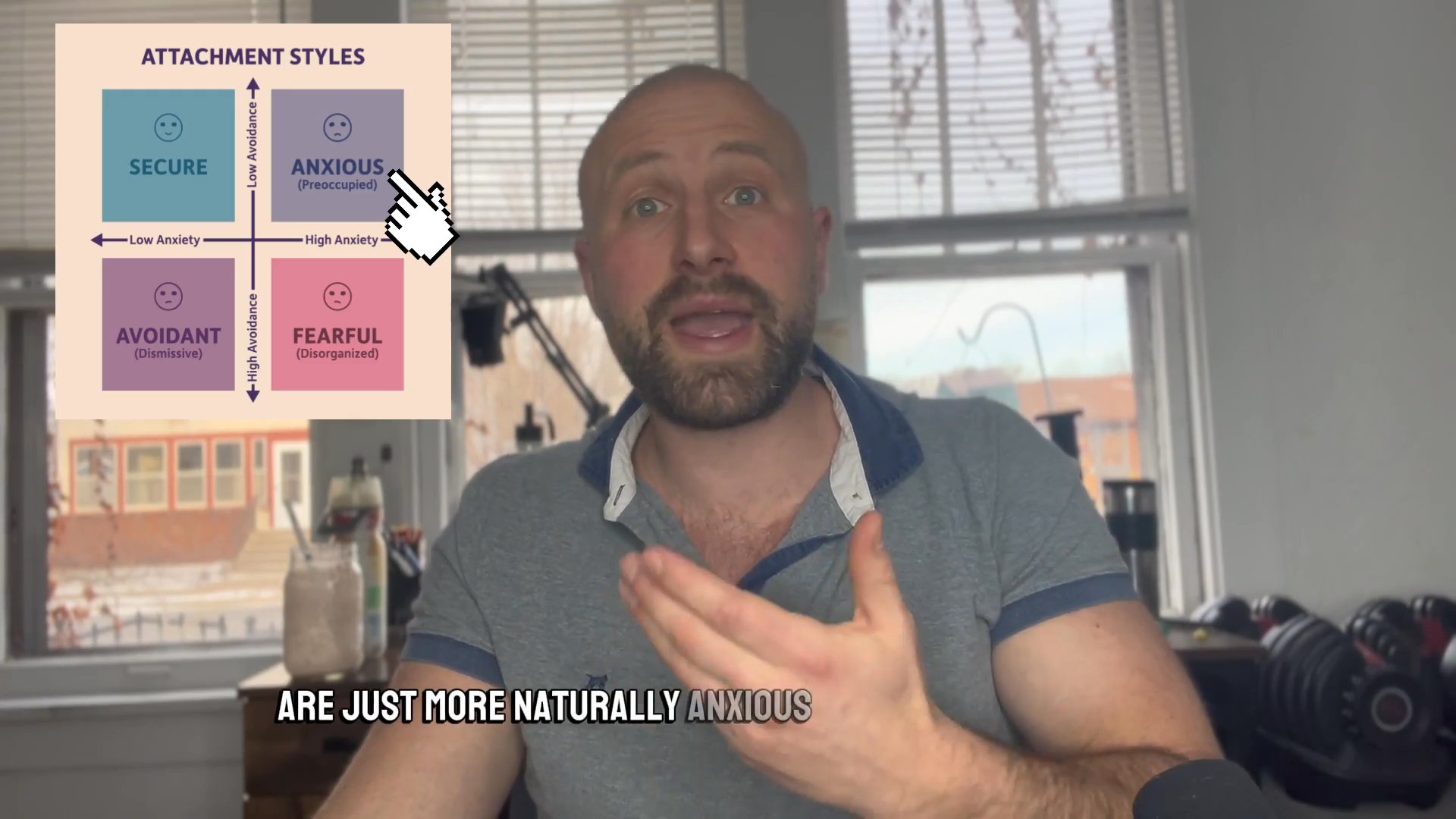
So now, before I break these down, let's take a look at the four attachment styles in this graph, which is a really helpful way to understand. For example, on the y axis of this graph, you have anxiety. So if you're closer to this way, you have less anxiety in relationships. Closer this way, well, you may have more fear that others may leave you. So now on the y axis, we have avoidance. And individuals low in avoidance are typically going to engage more in relationships and have a higher importance placed on them, versus individuals more avoidant who may be more hyper independent or not see the same value in them.
So let's start off with secure attachment. In this top left quadrant, we have less avoidance and less anxiety. You want to engage in relationships and you don't have a huge fear that people are just going to automatically leave you. A lot of times these individuals have not had severe disruptions in attachment or trauma growing up. Or maybe they have, but they've definitely worked through it and have gotten to a place where they're more healthy. And next, we have a preoccupied attachment style with high levels of anxiety, lower levels of avoidance.
Now, some people, just like the other attachment styles, are just more naturally anxious in their relationships. Now, when they've had trauma growing up, inconsistent caregiving, or having a parent who was not really there for them, well, they may have those fears and relationships as adults as well. Now, these individuals may come off as needy or pushy in relationships because they need that constant validation, and that can cause a lot of issues for them. So next we have the dismissive attachment, which is a little bit more rare.
And these individuals are much more avoidant of relationships. They tend to not rely on others. They may come up as hyper independent or not really all that emotional. These individuals often had to parent their parents. They had caregivers who really just didn't have it together. Maybe they struggled with addiction, and for them, they learned that they need to only rely on themselves and that relying on other people too much leads to being hurt. Last, you have a disorganized attachment and these individuals have most commonly experienced severe childhood trauma, that complex and ongoing kind.
These individuals have high levels of avoidance and fear in relationships they're pushing and pulling. It could be very confusing for them. They often have borderline personality disorder, which is having trouble controlling emotions, often acting out with suicidal ideations, risky behaviors, substance abuse, and those attachment traumas leading to really extreme difficulty in their relationships. So having a more general understanding of your attachment style and how you show up in relationships can be highly beneficial to have more insight into how you tick to your natural tendencies and being able to challenge yourself, to be less anxious, to be less avoided, and eventually work your way to a more secure attachment.
So having a more general understanding of your attachment style and how you show up in relationships can be highly beneficial. To have more insight into how you tick to your natural tendencies and being able to challenge yourself, to be less anxious, to be less avoided, and eventually work your way to a more secure attachment.