Delusions can come in many different forms whether it be actual psychosis or deeply held beliefs that people hold onto for various reasons. Whether it’s their mind not being able to handle the truth and uses a coping mechanism or an inability to see blind spots the quote the question is, how do we recognize it in others and in ourselves also, what can we do about it?
Evan: Another week of mental health matters where we talk about topics in regard to mental health, addiction. Sometimes in society, we have words that we throw around that are just part of the common vernacular but also have a deep mental health clinical meaning.
So I thought we would talk about delusions, and I think it's a fun topic. What does that actually mean to be delusional? Sure. We all can act. Narcissistic attempts. We could all be a little bit delusional.
So let's talk about what a delusion is. It can be a symptom of something like schizophrenia, schizoaffective, similar. A lot of times it can be substance induced. It basically is having a fixed set of beliefs.
Psychosis is basically broken down into two categories which is delusion and hallucination. Most common would be maybe hearing voices would be the most common one. Delusions that are believing others are out to harm you or against you.
The delusion and the belief is real. Sometimes paranoia is actually a personality trait that some people are more prone to. A lot of times too, it's because lack of sleep is a big one. People can get it too from being under immense amounts of stress.
When someone is in full on delusion or your average day to day delulu, how do you deal with it? It's not often helpful to just throw a bunch of logic at someone. Sometimes you'll push people away when you're denying their reality fully.
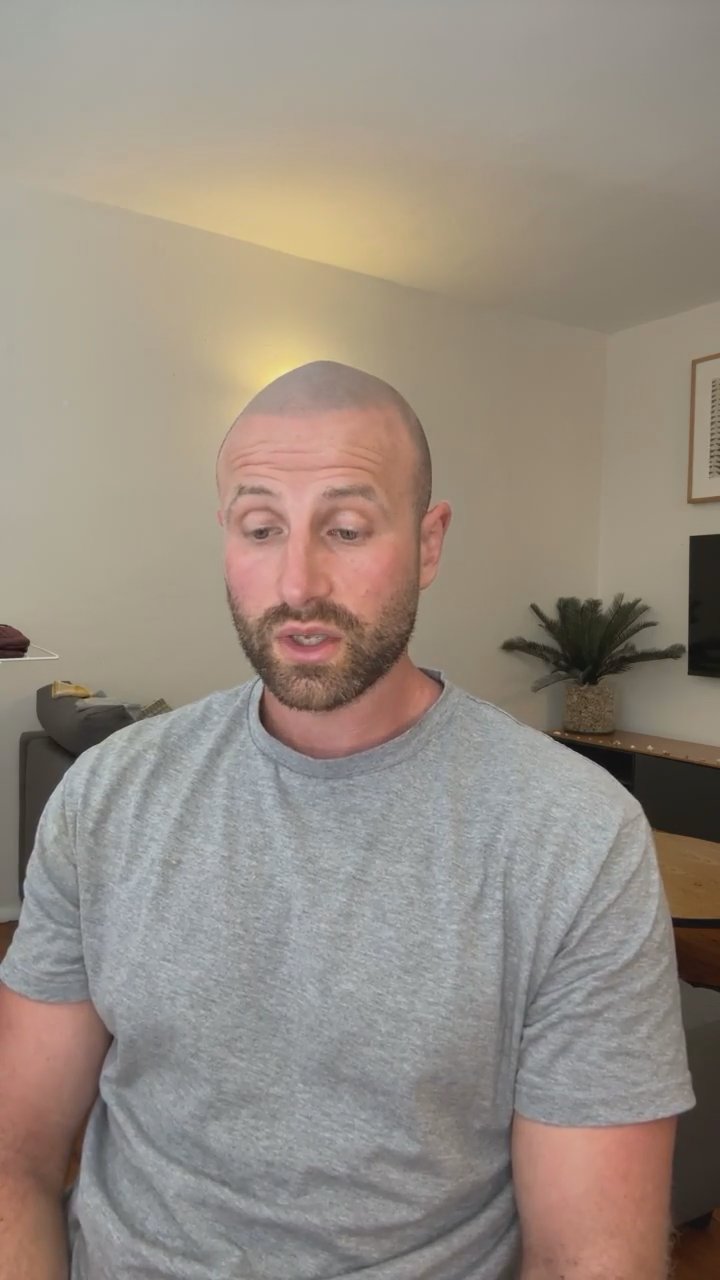
What up, Cadre fam? Evan here, your resident mental health and addiction therapist here for another live stream, another week of mental health matters where we talk about topics in regard to mental health, addiction. And because it's important to speak about these things, they matter. See what I did there? So today I'm bringing a topic and probably do the ask me anything next week. Usually rotate those a little bit. But this one is a topic, and I thought it would be fun to talk about something that bridges the gap of what we talk about in everyday situations and pop culture and something clinically in mental health.
Because sometimes we have these words that we throw around. What's up, Kelly? Sometimes in society, we have these words that we throw around that are just part of the common vernacular but also have, like, a deep mental health clinical meaning. For example, like addiction, I may say, man, I'm addicted to these potato chips. I'm addicted to my phone. What's up, Jules? But also, there are more technical terms for an addiction and diagnosing an addiction. And sometimes. Sometimes they could be the same thing, right?
Like, oh, that guy's addicted to heroin. Well, yeah, that. You know, you may be referring to something that is clinically happening, but, you know, sometimes that word is used, like you can say, oh, that person's psychotic. That person is a narcissist. Right. And so if I say, you know, Jules is acting kind of narcissistic, you'd be like, oh, yeah, like, I know what that means. And it's, Jules, of course you would. No, I'm just kidding. But, you know, it's someone who's acting maybe, like, grandiose or selfish or high on themselves.
Right. But that doesn't necessarily mean they would meet the clinical definition of narcissistic personality disorder. So I thought it'd be fun to talk about one of those concepts because I've heard it come up a lot, and there's a fun new term that people use for it. So I thought we would talk about delusions, and I think it's a fun topic because, you know, when you think of somebody who is delusional, right? It's in songs. What is that Mariah Carey song? Delusional. Sorry to put you through that.
But, you know, the thought of someone like, what. What does that actually mean to be delusional? Sure. You never know. I assume you're not. But, you know, for example, we all can act. Narcissistic attempts. We could all be a little bit delusional. Right. We may have blind spots in our life that from the Outside, it may seem like this person's a bit delusional. They believe that this is going to happen or this is happening, or this is what's going on. And clearly it's not, despite all evidence. So I thought about, we could talk about what a delusion actually is as far as a mental health perspective, how that happens, how that comes up for certain people.
But also what is the connection to a delusion in the way that we use it all the time? Right. So is there a connection with saying, oh, that person's delusional, their ex isn't getting back with them, and the person who is actually clinically diagnosed with a delusional disorder or disorder that has delusion of a symptom of it? Right. Is there actually a connection between these two? Because usually there is some. Right. The word is used for a particular reason. So let's talk about what a delusion is.
Let's see. Let me ask the class, maybe it's not the best context, but like, you know, what do you think it is? Like, what would be your definition of a delusion? So if anyone wanted to, I'll give the class like a minute or two to throw in, like, just like a simple way to describe what your understanding of a delusion is. And I'll kind of start by saying in the meantime that it is a symptom. It is a symptom. You know, it can be a disorder in and of itself. There's something called a delusional disorder.
And I'll explain the difference of what that is compared to some of the others. But it can be a symptom of something like schizophrenia, schizoaffective, similar, someone in a bipolar manic episode. Even in severe depressive episodes, you can see some of it. A lot of times it can be substance induced, right? So someone has substance induced psychosis, they can have delusions. So basically it is mostly a symptom, an indicator of a deeper underlying mental health condition. When you have it to a certain degree, it's not like, oh man, my ex isn't cheating on me despite all evidence, we need to hospitalize them.
But you know, these are more severe type delusions that are really intrusive and impact someone on a deep level and impacts their ability to even function. Right. Because they're essentially living in a different sense of reality than most anybody else. So as you're coming up with your definition, maybe you're doing it in your mind. It basically is having a fixed set of beliefs. So having a fixed set, so fixed is immovable Right. Or if my table's fixed to the ground, you know, it's pretty much immovable.
I go to great lengths. So fixed set of ideas or beliefs that essentially remain so despite any evidence to the contrary. Right, yeah, exactly, yeah. So it's having. Thanks, thanks. Yeah, it's having a sense of a false reality. And that's really difficult because sometimes reality can be subjective. However, in this case, you know what our agreed upon reality is, a general consensus compared to what this one individual is experiencing is vastly different. So we're going to have to go with the consensus.
If you know, 999,000 people believe that the sky is blue, you know, then one person thinks it's, you know, non existent or something. Well, you know, we're gonna go with the reality that the consensus agrees upon. Now we're kind of getting into the weeds a little bit, but you know, you know, you know what I'm saying. So, you know, I thought I could give some examples of these fixed beliefs that you'll see in mental health settings. Because you know, we human beings, we're not all that unique in some ways.
So when you see people who have psychosis due to mental health disorders or substance uses, there's often themes to it. So these common patterns, you see, and the good thing about knowing these patterns is they're good indicators, right? So if someone's having one of these types of delusions, you're like, oh, this is actually pretty common. And this can be linked to a mental health circumstance. So psychosis is basically broken down into two categories which is delusion and hallucination. Now a hallucination is essentially something it's, it's basically faulty sensory information.
So I see things that aren't there, hear things that aren't there, I make them feel things that aren't there, smell things that aren't there. Right. Most common would be maybe hearing voices would be the most common one. Right. And so sometimes these things tie in with the delusions, with those fixed beliefs because you may, you could have the hallucinations and actually not believe that it's real. So you're not delusional about it because you know that this is not true. But sometimes for folks with, let's say schizophrenia, it is really hard to differentiate because they're, their neurons are over firing and they're picking up and providing information in the same way.
So sometimes people will have full on conversations. I got my buddy, the schizophrenic hippie, you look him up on social media, he's an Incredible dude. And I've had the chance to interview him and interact with him. And he has some great content about what it's like to be schizophrenic. And he's told stories about being in a library and having entire conversations with people and the librarian coming up and being like, what are you. Are you talking? Like, who are you talking to? And then realizing that this was all in his head or hearing these voices.
And sometimes it's the voices that can perpetuate some of the delusions because they are telling you specific things. So some of those delusions that come up for people would be, for example, pers. Persecution. Persecution. Persecutory. Persecutory delusion. Right. Delusions that are believing others are out to harm you or against you. And this one's really common paranoia is a really, a big one that comes up with people with all sorts of different types of psychosis, drug induced psychosis, schizophrenia.
I've seen people who believe that people are poisoning them. They're putting poison in their cars, you know, and it's coming through the vents or in their food. And they have these like vast conspiracies as to why they're doing that that really just like don't make any sense. And sometimes that can play into those feelings or hallucinations that they're having. Right. Because they feel kind of weird. Well, the poison then explains it, right? So you have those really common persecutory delusions.
And part of those two are some of the most common, you know, of thinking like these bigger, like institutions, these powerful people. There's the FBI. I've had people where they think, you know, their dad is like. Like their dad is actually like a powerful CEO or something. They think their dad is like pulling the strings of their work and this, that and the other. So thinking these like big shadowy, kind of powerful entities. It could even be like a ghost, you know, or something like that is, you know, out to get them.
Right. And often this doesn't make sense because, like, let's say I started having them tomorrow, that people are out to get me, whatever. Like, why, you know, like, why would I be on the FBI's radar? What is it that I'm doing that's so important and special? And I kind of joke with this like, you know, when folks are like in the midst of using like math or something, which is the most common. It's kind of like, you know, when you're in your worst of addiction, you don't always have a lot going on.
You know, you're not like living your best life in that moment. So it's like, it's really like, why would the FBI be after you and your day to day? It's like I'm doing anything that interesting. Neither am I, but. So yeah, but it doesn't matter how little it makes sense. The delusion and the belief is real. I don't know. I'd be interesting if any of you ever had delusions. Now, not, not the, the. Mostly the fun kind, but the kind of day to day ones. But like I remember a couple times, like one time, a couple times I was really sick.
I think like when I was a kid I had like mono and another time I like, it's like really bad viruses and I think I got like really dehydrated and I don't know what it was, but I woke up having like hallucinations and delusions. It was really scary and part of me knew it like wasn't real, but part of me didn't. Right. Or it's like being in a dream. It's kind of like a strange. We go to sleep and then all of a sudden like we're basically in a delusion hallucination state. Right. But the problem is, and that is not all that different because when folks are having these actual delusions, they're having them and they're fully conscious.
Right. And so a couple times I had that when I was like really, really sick. I never really had it from drugs, I don't think. And I've done a lot of those. I wasn't like the biggest stimulant person. But a lot of times too, it's because lack of sleep, that's a big one. Like if you stay up long enough, you're gonna start to have psychosis. If for whatever reason you don't sleep for really long periods of time. You know, people can get it too from being under immense amounts of stress. Anxiety. I know some people who are maybe more prone to anxiety.
And sometimes paranoia is actually a personality trait that some people are more prone to. So I've known people where I was like actually kind of worried that they were having some like schizophrenic type stuff, but they were just under a lot of pressure and they would get really paranoid. So a couple times I got really worried for people, but then it kind of ebbed and flowed and then they like came out of it. Okay, maybe they're not fully schizophrenic, but d***, do they sound like it for a second.
Right. So the mind is A really fragile thing. I had another friend. Which example was I going to use? Say I. That one friend. Oh. And like, yes, I have another friend too. And we kind of give him about it a little bit. But he does like tend toward. He has like a parent paranoid element that he's susceptible to. Like you're susceptible to being depressed, anxious, angry, whatever. Again, that paranoia is like something that's some people are just more susceptible to. And so he's had certain situations or when he's under great stress, he starts to have paranoid type thoughts.
And you know, he's sober and he's has a lot of insight. He works in mental health, but when you're feeling it, it's really hard to know the difference. And sometimes you know, you sound crazy so you don't say anything, but you still kind of have that and you operate based on those anxieties. Right. So it could be like for him, thinking that certain people are at work or like conspiring against him or that somebody's going to get him in trouble or that he did something is a big one too. Like he did something.
Maybe you did something wrong too. He made a mistake on charting, you know, something like not big or something like whatever, you made a mistake and. But then you become paranoid that the worst thing is going to happen, that people are like out to get you and they're, you know, whatever. Right. So I have a friend who does struggle with that and we do kind of joke with him, but sometimes it is like, all right man, we got to, you know, do some reality testing here for you. Um, so you have those persecutory of religious delusions, believing you have a divine mission or special powers from a higher being or special purpose or something like that.
Grandiose delusions. This is a big one, especially this one. A lot with like bipolar and mania and stuff like that, thinking you have exceptional abilities, wealth, status beyond reality. So very often like folks with, let's say bipolar and a manic episode, they may like exhibit a lot of the traits of like narcissistic personality, personality disorder. So a lot of times people like bipolar, sometimes even substance abuse can get misdiagnosed as narcissistic because like when you're in that mental state, you can't exhibit all those symptoms, you know, believing that you're going to start this great company, you know, that you could have all these lofty goals and things that you believe are going to happen, but just really they don't stand up to probability or reality.
Here's one. Oh, erotomain, erotomatic delusions. So this is another one too. Believing someone, often a stranger or celebrity, is deeply in love with you. And sometimes you hear stories about this where like somebody breaks into a celebrity's house or something like that, where they really believe that they're meant to be together and they're in love. One of my buddies who had skit who has schizophrenia and at times where he was really symptomatic, he would have the persecutory ones. But he. I know at one point in his life he had that where he.
And he believed this one celebrity was like in love with him. He was in love with her. And it was kind of interesting to hear like his thought process around that and how that happened with him because he claimed that he actually hung out with this person at one point. And I don't even know if he knows if it happened or not. I've kind of pushed him on it a little bit. And you know, it's. You don't want to go too deep and get someone into that type of thinking. But it's possible that maybe he did at one point meet her or something like that.
But then a story gets weaved and created from this basis of truth. So a lot of times in these delusions or sometimes is like a kernel of truth. And sometimes there is some level of plausibility like, well, yeah, I guess technically this could have happened. So it's hard to fully falsify and it can be really confusing for people around someone who has psychosis. So if anyone here has had share your experience, I'd love to hear if you knew of anyone who struggled with this or if you had a loved one who had struggle with delusions or psychosis and what that was like or how did that, how did that show up for them?
Because it is really difficult to, to deal with and you know, so kind of bring it to the more day to day, right? Like we all have, you know, certain blind spots that we may not be able to see. And that's just like part of life. And you know, we may believe certain things about ourselves and from an outside perspective, someone who has less emotional stake in it, or they're not as close to the situation, they can see it from, you know, a more detached and logical frame. Right. Sometimes that's like why we're able to give such good advice sometimes.
But when it comes to ourselves, you know, it can be really hard because we're clouded with that emotion and bias. So I think we have to be really careful, right? Because you can be like, well, you know, the opposite political part. Like they're all delusional, but then they think I'm delusional. Right. I deal in like family law. Cases like that are really contentious and it's like my ex, they're crazy. They're, they're that, you know, they're, it almost sounds like psychosis in a way, because no, they're the one who's abusive and this and that.
And no, they're, you know, and you're like, I'm left to try to sort some of this stuff out and some of these cases I work with. So it could be really difficult, right, where it can kind of look similar to the clinical, but we do have to separate it. Just like the someone who's acting in a narcissistic way versus someone who. It's a deeply ingrained set of behavior and emotion and pathology that is persistent and problematic. You know, and I use that example of like, let's say someone who doesn't want to believe their ex is cheating on them.
Well, it's like, you know, we could all see it. I could show them the text messages, you know, but they want to say no, no, no, like, well, they're breaking up with that or they just said that, you know, to, you know, they kind of repeat their lies because they really want to believe it. Because they don't want to believe that, that they're being cheated on or something. Right. So there, there becomes this emotional screen between them and reality that makes it distorted. And so sometimes, you know, we've probably all been in that situation and let's say a relationship we shouldn't have been in, others knew we shouldn't have been in it.
But it's really delicate because it's like, how do you deal with it? It's the other question of when somebody is in one of these states, whether it's full on delusion or you know, your average day to day delulu. You know, it's not often helpful to just throw a bunch of logic at someone. I think there are ways of being like honest and planting a seed and not pushing people on it. Because often you'll push people away when you're denying their reality fully. I heard someone say this when they were giving an example, you know, of psychosis.
And you know, you know, it's like imagine if someone came up to you and said, I said, kelly, your name's not actually Kelly. Like what? No, right. That's not true because it's your reality. And in these cases where someone's psychosis. Like they hold these beliefs that are that fundamental, right? If I pointed at someone and said, this is the color, this is a cup and I say, no, it's an elephant, what the h*** are you talking about? No, you know, like it's gonna be really hard to convince someone that you're wrong, you're in psychosis and that's not actually an elephant.
You're not seeing it, right? So, you know, being able to validate someone's emotions, ask open ended questions to help them think critically, stay calm, stay consistent, you know, give them space to talk, let them feel heard. Sometimes even them just hearing what they're saying can almost challenge themselves. You don't ever need to lie or anything like that. I mean, maybe there's like a few times where it's like, okay, yeah, your name's Joe and you're police constable or like whatever, just to like for safety reasons, like, okay, now let's just get into the psych unit, you know, but you know, really there's ways of validating it without also like lying to, you know, especially if you have that friend, let's say in that cheating situation, you know, certain questions you could ask them be like, well if, you know, let's, okay, let's say I was in this situation.
Like what would, like what would you think? Would you think, what advice would you give me? Would you think there would be reason to be concerned, you know, and just kind of get them talking and, and I'm could do 10 videos on how to, how to do this. But just know that sometimes bombarding someone with logic is not always the most helpful. And I fall into this trap too. Someone who knows better. It's so hard not to do, you know, especially when I have a friend who like, is otherwise very functional.
Like one of my buddies who was experiencing some level of this out of nowhere, you know, it was kind of like, I know he's a logical guy, I could get through to him. But you know, it's just the more you push, the more they, they push back or the more they pull away. So anyway, I thought that'd be a fun topic to talk about and maybe be able to weave into some practical applications in your day to day and always be sure to reality check to make sure you're living in it as well. Well folks, we'll see you next week.
Thanks for those who participated and next week we'll do that ama, so feel free to ask me any questions, reach out to me on the app community feed and I'll bring some questions that you all have asked. And even better, just show up and ask them in person. Sort of in person, virtually. All right, folks, take care. You've been awesome. Have a good rest of your evening. Cheers.