In this episode of mental health matters, I dive deep into the topic of drug use trends over time and what we can learn from them just like fashion, substance use patterns change over time among the different generations. So let’s explore this together and see if any of this surprises you.
This week's Mental Health Matters is brought to you by Sherry. Sherry is one of our regulars here. How are you doing? How's the Recovery Cafe? Let's hear some updates.
Today on Mental Health Matters we talk about some of the craziness that may be happening in our industry. There could be some big shakeups. Hopefully it doesn't impact you too much in a bad way if it happens.
How different generations have been impacted by addiction. Certain generations will use substances in different ways for a lot of different reasons. We're gonna explore that and see if that matches your experience and fits your generation's mold.
I like to think of Gen X like certain generations. They tend to be more creative in a lot of ways. Some of the best music, you know, came from. Gen X. As we hit our 30s, we're getting darker. We're seeing decreases in drinking. But, yeah, Gen X, I respect you.
With the opioid epidemic, we are seeing higher rates of things like powerful New Age opioids like oxycodone, oxycontin. Every time there's a new opiate opioid on the market, it's always marketed as a safer alternative. That's how I ended up in recovery.
As we move into Gen Z, this is the most interesting generation. Higher rates, much higher rates of mental health, depression, anxiety. Big decreases in alcohol, which is interesting. Now with more fentanyl becoming a thing, a lot of these folks that were already opioid addicted, then fell into fentanyl.
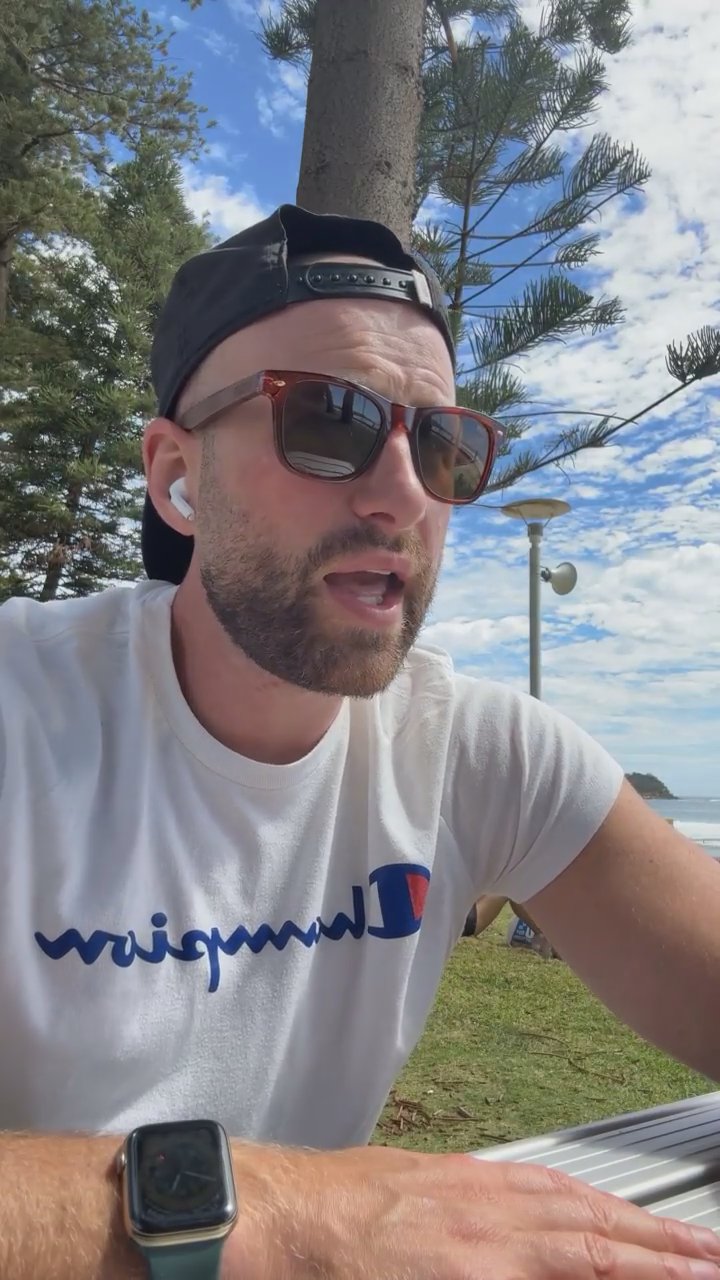
What's up, folks? Welcome to another episode of Mental Health Matters. I am out by the beach today and I apologize for those who are in the Midwest right now and other parts of the US I hear it's pretty cold, so I apologize. Not trying to make you jealous, but maybe live vicariously through me here. I'm outside because at my apartment there is jackhammer going on to an unprecedented degree. So all day jackhammering. So I feel like we're in a background noise. It should be sounds of the beach. What up, Sherry, one of our regulars here.
How you doing? How's the Recovery Cafe? Let's hear some updates. Anyway, today I want to talk about a ton topic I've been thinking about. I thought it would be fun. I haven't really seen too much. What? It's a big old raven just right by me. Weird. The birds here are kind of crazy. Anyhow, it's coming along. Yeah. I mean, how about some of the craziness that may be happening this week in our industry? Yikes. Anyway, we won't get too deep into that, but could be some big shakeups. Hopefully it doesn't impact you too much in a bad way if it happens.
What up, nz? Who's that? NZ Stafford. What's going on? Again, Mental Health Matters. We're gonna talk about things with mental health and addiction. Topic I'm bringing today I thought could be a fun one I haven't seen much content on. And that is how different generations have been impacted by addiction. Because just like fashion, there are different trends, and certain generations will use substances in different ways for a lot of different reasons. You know, that could be social, that could be just what substances are around or what's gaining popularity.
So we're gonna explore that and we're gonna see if maybe if you were a former substance user, current one, you know, whatever, to see if that matches your experience and fits your generation's mold. So where do we want to start? We could start old and then go young. I think it's interesting. So let's go to the gis, right? The greatest generation. Those individuals at that time, like, alcohol was the thing, right? I mean, alcohol was super common. They probably drank at higher rates. There wasn't as much drug abuse going on at that time.
However, as we get a little bit into the newer generations, you started to see more drugs grow in popularity. So starting around that time, if we go into the silent generation, I don't have the. I wish I had the numbers memorized. So, like, what would a GI be like? Night born in the 19, let's just say like 20s to 40s or something like that, to the 1930s or. Yeah, so like 20s to 30s, and then as you get to the next generation of like kind of mid-30s to mid-50s, let's estimate, you know, born probably.
It's probably earlier than that. It'd probably be more like 30 to 40, 1940 or something, because boomers would be more like 45 to 60, 65, 1965. So somewhere around there, you started to see a popularity of not just alcohol, which was the more socially acceptable. You started to see more prescription drug abuse. Now, if you want to go, like, even further back, you had these epidemics, you know, where individuals were being prescribed heroin, right? Some of these heavy painkillers more liberally, and some of them were actually legal.
But now you're starting to see a little bit of resurgence with things like sedatives as well as amphetamines. Right? So the uppers and the downers being more normalized. For example, like certain types of amphetamines, like, really powerful ones. I wonder what the actual ones would be that they were prescribing at the time. But, you know, somewhere between Adderall and meth, like maybe a midpoint between those they used to call mother's little helper. Right? You know, to help people get things done, give you more energy, maybe even for, like, depressive states and things like that.
But then to come down, you would have things like barbiturates. And if you don't know what those are, like, probably more common, you would know of something like a Xanax or a Valium that's a benzo, and that came a little bit later. But these were also extremely powerful, maybe more so, but they were more deadly. And so over time, as those consequences mounted, they started, you know, prescribing those less and less, where now they're very rarely prescribed. They're still around often for, like, alcohol withdrawal.
I don't know what other reasons, maybe for surgeries. I'm not sure, but I've seen it for alcohol withdrawal. So that became more common. So as we go to the silent, then we go to the boomers, and now for the boomers, maybe we got some around here. You know, then you had that countercultural revolution, the hippies. That's where you started to have hallucinogens grow in popularity. Lsd, mushrooms, and cannabis, Right? So marijuana. Now, keeping in mind marijuana at that time didn't have nearly the same power as it does today or potency, but those really Grew in popularity.
And at this time, drug use really became out in the open. It was more talked about, more popularized. And of course you had a backlash to that, you know, with a lot of those then becoming illegal and you know, the scheduling of drugs Schedule 1, 2, 3, where things like cannabis became even more illegal. And I mean, I think even before that cannabis started to come in, but this is when it got popularized. That's why they called it marijuana, to make it seem more like a Mexican type thing and therefore needed to be illegalized.
Forget when that was exactly. But you know, but some of those drugs started to become illegal around this time. I think cannabis before it started to come on the scene earlier in the century, so that became common. And then over time with the boomers, things got interesting because then they got into their little corporate yuppie type phase. As they grew up a little bit and started to go more to like the party style. Drugs like alcohol again became really big. And cocaine, right around this time, there's a huge boom of cocaine use.
And that really started to increase a lot of the consequences from just alcohol to a drug like powerful like cocaine. That started to increase rates of residential inpatient treatment. Before you'd maybe see it more for like opiates. I mean, because you know, people have been addicted and dependent on opioids for a long time as they were, you know, commonly prescribed. However, now you're starting to see that more with opioids, cocaine and alcohol. Alcohol has always been that one. That's one of the more dangerous and needing of more intervention then what else with the boomers.
And then, yeah, you started to see a little bit more. The heroin use started to become more popularized. And then you get into, I mean there have been epidemics of heroin before maybe the 20s or something like that in certain pockets. New York City, I forget. Exactly. But earlier. But then you start to see a resurgence of that and growing in popularity then is where it starts to get interesting. Now we get into Gen X. Are there any Gen X individuals around? Because Gen X, I don't think there is any generation before or since that use more drugs and alcohol than Gen X.
I like to think of Gen X like certain generations. There's like theories that are kind of more. How would you say, like if you had more of like a right brain and a left brain, you know, kind of that theory, right. Where the, the certain more dominant generations, like the gis, the boomers, millennials, are kind of more like left brained a little bit. And then you have the generations. I Call them like the recessive generations that are a little bit more, I don't know, like, kind of more driven on, like, emotion.
They tend to be more creative in a lot of ways. They. Yeah, just, like, really interesting. Right? So that's where you say, I don't know. My opinion. Some of the best music, you know, came from. I mean, boomers did a decent job. Silence. Did a decent job. But music of the 60s, 70s, and then, you know, a lot of that, the 80s, 90s were talking Gen X, you know, the grunge era and things like that. I mean, so I think they made some of the best music and art and that kind of thing. You know, that generation was a tortured generation, but good things came from it.
Now you could think of opioids being on their. And at this point, they're just using everything, right? Cocaine. And then you have the crack epidemic that just completely, completely destroyed communities. And so that was, like, horrible and sparked a lot of the 80s drug policies. And, you know, and those were, you know, you could demonize them, but they were generally a reaction to the epidemics in these cities where they made, like, harsher laws and for things like crack because, you know, the rates of violence, so, like, crime rates were, like, through the roof.
So it really did a ton of damage. And then you saw more of a rise, you know, of like, heroin and that type of thing. So Gen X were just going ham. Now, I like to think of folks like, you know, Kurt Cobain, Bradley Noel River Phoenix, you know, some individuals around this time that really struggled with drug addiction and died from it. And then if you think about it, a lot of the individuals who didn't die still struggled for, like, a long time or even a lifetime. So you think of like a Robert Downey Jr.
A Matthew Perry, you know, who eventually did succumb to his addiction, but just later on, he struggled with a lifetime of addiction. And it was, you know, painkillers and basically everything under the sun. But that was his big thing was opioids. So, yeah, super sad. So this generation. And then at the tail end, these individuals also started to get hit with that. That new modern opioid epidemic starting in the, you know, early to mid 2000s, where it really started to kick off. So they hit that as well.
So this generation got just lambasted. So let's see. I know I pronounced that wrong purposely. So you have. Let's see, Gen X would be like 62 to 82 or something like that. So you're born between those years, then. Yeah, but again, you guys have great music. I respect you got a rebellious attitude. You're all really cool. I feel like millennials aren't really cool at all. We kind of went back to that left brain did ness. But, yeah, Gen X, I respect y'all. Kind of wish I was a Gen X. Guys are cooler and had interesting life experiences.
Then we get into millennials. And I like to think of millennials as a big stoner generation. I remember growing up, you know, weed was becoming more and more popular, was getting more potent. You had all the jam bands and that kind of thing. Again, kind of coming from a wave of that with Gen X again, they're using everything. So you started to see the millennials smoking weed. They were. And then in our twenties, then of course, like, you get to the college age and we're drinking, binge drinking like fish, just, you know.
But then we get into our 30s and we're like, oh, my liver hurts. Oh, I have a hangover. Oh, I'm missing brunch. So actually, you're seeing decreases now as we're getting. As we millennials hit our 30s, 40s, scary. Kind of wisen up to the whole drinking thing. I think we took it a little too far. However, on the dark end of things, here's when you started, you know, cocaine, you started to go down. However, there was a rise of meth use, and this really hit rural communities and the LGBTQ community.
Meth is more powerful in some ways than cocaine. It is. It lasts longer, it's cheaper, and it's easier to access or produce. You just don't want to blow your house up. But you don't have to, you know, get product from Colombia or Peru or whatever. So there's that. Oh, man, that's one of my good friends. I gotta kinda see if she notices me. No, she walked right past me. I was just hiding from her because I don't want her to disrupt. Although she's fun. So where were we? Yep. You have methamphetamines, which is, again, one of.
I call it like the big four. So one of the big drugs that, you know, wind people and treatment, really the big three nowadays, depending on where you're at. Alcohol, cocaine. No, no, sorry. Alcohol, meth, and opiates. Those are responsible right now for most of the inpatient treatment episodes. So. And then you have the opioid epidemic. And with the opioid epidemic, right, we are seeing higher rates of things like powerful New Age opioids like oxycodone, oxycontin, that were being Prescribed as a tool for long term chronic pain, which was obviously problematic because it's a powerful opioid.
Although it was marketed as something that was a safer alternative. Every time there's a new opiate opioid on the market, it's always marketed as a safer alternative to the one before. For example, heroin was marketed as a less addictive, safer version of morphine. Right. So there's always something. And then of course that's like, oh no. This is also doing the exact same s*** as the one before. However, this one had a lot of, you know, lobbying and marketing behind it. There's some really good shows about it.
A couple on Netflix or no one was Hulu the better. There's one with Matthew Broderick. That one was like okay. And maybe it was just okay compared to the other one that was so good. The one with Michael Keaton. I think it was on Hulu. Someone could remember the name, but it was a series all about the OxyContin epidemic and such. Oh, Caroline. Hello my friend. Good. I'm doing a live stream. Do you want to say hello to the audience? Hi guys, this is Caroline. She is a from France. She's a surfer. She's a professional here in Manly.
Are you? Yeah, I'll talk to you later. Yeah, bye. Bye. It's one of my good buddies in town. So Miss Caroline from France. Very international town here. Yes. What was that show? Michael Keaton. I think it won a bunch of awards. But it was so good. Highly recommend it. Based on the true story. So anyway, that's happening and I kind of got swept up in it too. That's how I ended up in recovery. Be interesting if that never happened, if I would have wound up in recovery probably. Or I would have just lived in a gray area struggling for a long time until I figured it out.
So who knows? Who knows in that alternate reality. Opioids. Yeah. So you know, as we got into our 20s, you know, we started to get hit with that. Now as we move into Gen Z, this is the most interesting generation, Right. So there again we have like a right brained, emotional, creative, more introverted generation. Right. And they kind of went through the pandemic in a way at a time that was more formative for them and impacted them most. Higher rates, much higher rates of mental health, depression, anxiety.
So with that becomes more of a tendency to lean on substances as self medication. So what are we seeing with millennia Gen Z? Big decreases in alcohol, which is interesting. They're not all about the booze like every other generation before them. Why? I don't know. Maybe they just see more issues. I think it's just like, you know, it's harsher. You want to get drunk, you got to drink this fire water. But, you know, they're more into the weed, you know. Now in a lot of places, weed is legalized, it is much more powerful.
There are even more potent synthesized versions of it. It is like very addictive. And with it being normalized, you're seeing much higher rates of that. They prefer the weed. So there's some good things about that, some bad things about that. You know, it's always a trade off. Decreases in cigarettes. So the, the trend of decreases of cigarettes over time continued and then. But huge increase in vaping and other tobacco or tobacco less products that have nicotine. So these, this is a very highly nicotine dependent generation, which is kind of a bummer, but at least it's not something cigarettes.
Yeah. So yeah, some is fentanyl. Yeah. Kind of like fentanyl's found its way into everything. It's kind of crazy. Why? I don't know, but it's horrible. So that's what I was going to get into too is now with the opioid epidemic and now with more fentanyl becoming a thing, a lot of these folks that were already opioid addicted, you know, then fell into fentanyl, which is like, I believe cheaper. It is more potent and way more deadly. So in the overdose epidemic, millennials got hit super hard. And now Gen Z is getting hit hard.
And the sad thing with Gen Z is this opioid epidemic has raged. They are some of the first, some of the first, they got hit younger, which is interesting. So I remember when I was in school, in high school, ain't no one was addicted to opioids. Maybe. I mean, I didn't know a single person. I was like, I knew all the druggies. No one was addicted to opioids. It wasn't a thing. You know, not even that many people did cocaine. We were just drinking and smoking a whole bunch of weed, like I said. However, as I started to, you know, get in my mid twenties and then Gen Z was coming up, so maybe even some of the younger millennials too, actually.
And then Gen Z were starting to become opioid dependent. Even like in the suburbs where you wouldn't necessarily think, you know, they were get. They were doing heroin and stuff. So they were doing oxys and heroin and they were becoming opioid dependent at a younger age, which is super sad. So you would See like kind of the high school I went to 10 years later was had just tons and tons of kids getting hooked on opioids and going to treatment which never happened in my generation. So that's a quite a sad thing as well.
So Gen Z, they're wrestling with that. I don't know if they're getting much better. We'll see. And then Gen Alpha, it's too early to tell. So what would Gen z be like 96 to something like that? 96 to 2022. I mean, I don't know, I feel like there's some Gen Alpha's out already so generation 15 to 18 years or something. So we'll see. But anyway, I don't know, I just thought that was interesting. I was pondering it, doing a little more research on it to kind of try to get a better understanding of, you know, what the trends have been and why and what the impacts are.
You know the why often is, right, sometimes different, you know, like with the Gen Z, a big mental health component, social forces, but also what's just like what's available and you know, things falling out of fashion because of consequences and people pivoting to something else or maybe they perceive as safer or even just better, you know, like, like meth in a lot of countries too. With meth again it's just, it's hard to get cocaine. Like here in Australia cocaine is extremely expensive, probably four times as much as the us so it's very much a drug of luxury if you're rich, almost like a status type of thing, otherwise you can't afford it.
But something like meth, it's easier to produce domestically and so there's a big meth problem here as well too compared to cocaine where in other countries, you know, like England or something comparatively is more still of a cocaine type place. So I don't know, I just find it fascinating. Hopefully you got something out of it. I'll be back next week with an ama. Try to stay warm out there. Just enjoy what I'm doing here. So anyways folks, it's been awesome. Thanks for participating Sherry and if you have any questions, feel free to reach out.
Tag me in the community feed. Otherwise I'll have some questions and come show up. Alright folks, it's been real. Take care. We're going out with the beach.