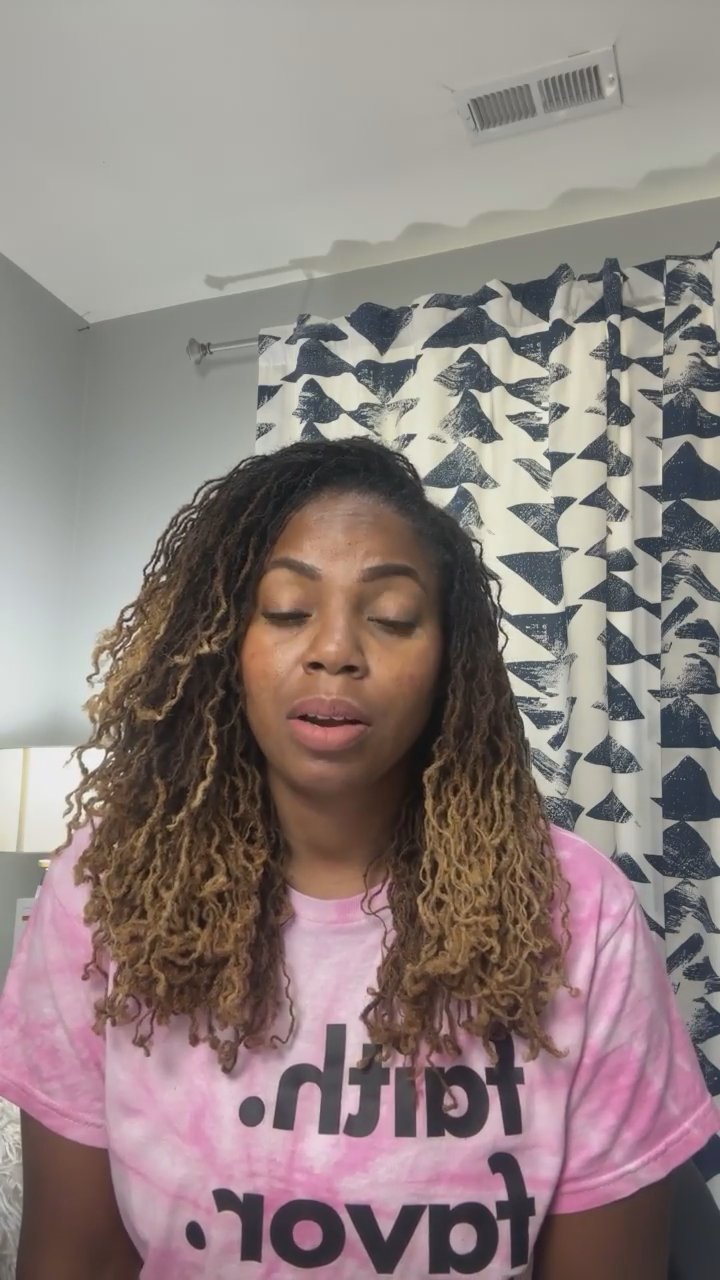
Rachel Logan is your counselor and empowerment coach, Rachel Logan. New opportunities, new possibilities. Both have pros and cons. Some people's mood can shift, and it can look like depression. About 5% of US adults experience seasonal affective disorder. Be proactive and preventative.
Rachel Logan is your counselor and empowerment coach, Rachel Logan. Let me know how you're feeling using an emoji. Today I will use an emoji that express peace. New opportunities, new possibilities.
Are you team summer or are you team fall? Both have pros and cons. Some people's mood can shift, and it can look like depression. About 5% of US adults experience seasonal affective disorder. We can do something about it.
Rachel: What we eat matters. What we put in our bodies matters. Be proactive and preventative. Exercise, eat the right foods, be intentional about getting some vitamin D in your life. And lastly, and most importantly, pray and meditate.
So may you be blessed today. Meditate on the word and watch your life transform. Practice one of those solutions that we just talked about. You can win in this season, okay? No matter what season it is, you can win.
Hello, Cadre. Welcome. Come on into the room. Happy Wednesday. I am your counselor and empowerment coach, Rachel Logan. And we are here and we are getting to the root today. So come on in. I give you a few minutes. I'll play some soft music. I hope you're all having a wonderful day. It is Wednesday, y'all. It's a new hour and it's absolutely a beautiful new day. So welcome in this new day, this new moment. Take it in. New opportunities, new possibilities. It's the 11:00 hour and I'm excited to share it with you.
So I hope you are having a really great day. Please come on in. Like drop in the chat. How you are feeling today. I want to know what's on your mind, what's on your heart. So let me know how you're feeling. Using an emoji. So today I will use an emoji that express peace. Yeah. Thank you for the hearts. I will use an emoji that express peace. I have peace. I have peace today. So come on in, let me know how you're feeling. Use an emoji. And I want us to talk about getting to the root today about the change of the weather.
So I'm in the midwest. I'm in Illinois. I live close to St. Louis. And if you are anywhere in the midwest, our weather is like, on today, off tomorrow, it can be really amazing. Yesterday, blue skies, the next day, it could be just a completely rainy day. And so I want to know because the weather is changing. Are you teen summer or are you team fall? So let me know, what's your favorite season? When it comes to summer and fall, there's some pros and cons to both. So let me know. Do you like summer where it's warm, sunny majority of the time?
Really, really warm. But it's pretty and the sun is shining majority of the day. So are you team fall that likes, you know, the warm, cozy, cool breeze? Let me know how you feel. I'm going to say I like to be warm. I prefer the warm. But I do like to drink tea in the fall. I'm just saying it's something about a cozy drink that makes the day great, right? So let me know in the chat, are you team summer or are you team fall? They both have pros and cons. So I'm curious to know. I have my notes with me, so I'll be looking at these periodically, but I wanted to talk to you today about the change of the weather.
So depending on which one you prefer, sometimes the change of the weather can bring about a different type of mood. And I want us to talk about that. I want us to acknowledge that sometimes, because the days are shorter and the nights are longer, there is seasonal affective disorder that can trigger people. And what that looks like is a form of depression. And sometimes my clients will come in and they will talk about just all of a sudden they feel this way or they feel that way. They don't know why, or maybe they have experienced sad.
The acronym is saD, sad for seasonal affective disorder. And they are doing something about it differently this year. So I'm curious to know if you ever experience just a seasonal shift in your mood because there's less daylight and more nighttime, and it is a real thing. Some people really experience it. According to research, about 5% of the 5% of Us american adults do experience seasonal affective disorder. So in the summertime, y'all know we outside, we're having a good time. We swimming, we're taking trips, or we're just outdoors, like, going to festivals, watching outdoor movies, just walking, going to the parks more.
It's just a really fun time. Summertime is really exciting, and so we're less likely to feel depressed during those months. Less likely, depending on your circumstances. But when it comes to the change in the weather, when it's cooler, it's rainier, it's cloudier. Some people's mood can shift, and it can look like depression. And so some of those symptoms could look like for emotional, you can feel sad, have a low mood. You can find yourself irritable or anxious because, hey, you're not getting that vitamin D that you normally would from the sun.
Okay? Another way that a person that it can show up is behavioral. You may find yourself isolating and less likely to go to events. Right. People might invite you, but you say, no, I'm good. I'm gonna stay indoors. And you just don't go outside. You're less likely to go outside because it is typically cooler and gloomy, because, again, the sun is not shining as much. Right. And so another symptom just could be the lack. Physically, you can have, like, lack of sleep. You can find yourself sleeping more, sleeping less.
You can find that your appetite has changed. So you may be craving more comfort foods, which is heartier in carbs, but that can also cause a person to gain weight. So your appetite and your weight can change depending on the type of foods that you're eating during this season. And so I'm bringing this up because when we know something, we're more likely to be on alert for it and we can do something about it. So if you are a person who experience seasonal affective disorder, you're not alone and we can do something about it.
That's the beautiful thing. Last year I had a client who, who dealt with this for a while and she saw success in overcoming it year after year. And last year, what I love, she actually took the advice of getting a light, a sunlight, and you can purchase this on Amazon. And she purchased a sunlight. And so she had a routine that helped her manage her mood. So what she would do is she would sit under the sunlight, the sun lamp for five to ten minutes and then she would do her journaling, she would drink her morning coffee just to kind of get her day started.
And so I'm curious if anybody has ever experienced using the sun lamp or the sunlight. You can purchase it on Amazon. They're fairly a decent price. But I'm curious if you ever used it. I also thought about, this is not scientifically proven, but I also thought if you are one who like to tan, how a tanning bed can be beneficial for you or the red light therapy can be beneficial for you because you're getting this amount of light and that it triggers your vitamin D and it triggers just your body to awaken.
It triggers dopamine. And so I'm curious to know if anybody's ever like experienced using tanning beds and noticed that it has been beneficial for them. So seasonal affective disorder, be on the lookout. Be aware of the signs, do some more research. Be aware of the signs, be aware of the symptoms. And if you're likely to have it in the past, be aware. Think about what am I going to do differently this season? Because you don't have to succumb to it. You can be preventative and you can be proactive.
Okay. So I wanted to share some tips and some solutions for you. Okay. So we already talked about the sunlight, the sun lamp or sunlight, you can purchase it on Amazon, but some other things you can do to increase your dopamine and just your energy level and to overcome it and to be preventative. Let's talk about it. We need to exercise and I know it's cooler, but you can walk all year long. Okay. Depending on where you are, you can get a walk in. Walking helps release those good hormones. And if we're trying to overcome feeling sad, we have to do the very opposite.
We have to be intentional. So get a walk in. I know it may be a little cooler, but listen, I want you to get on a jacket and get outside. Natural light works. Hello, y'all. Natural lights works. So get outdoors, take some time, and be intentional that, hey, I am doing this for my. For me, for myself. And that my mental health matters. Your mental health matters. So get outside, get walking. Take a boat. Take a boat ride. Take a bike ride. It's beautiful. Find a trail that you would like to walk on.
Ask a friend to go with you. Accountability is better. Two is better than one, okay? So find an accountability partner to walk with you just so you can get moving and increase your dopamine. Okay? Second thing, let's talk about the foods. What we eat matters. What we put in our bodies matters. So if we want to feel good, we need to eat foods that are going to fit fuel us. Okay? So I'm holding you accountable. If you're watching, I'm holding you accountable. Eat the foods that's going to fuel you.
Right? So in this season, we need to rev up on almonds. We need to eat dark green, leafy food. So you can eat some greens, some cabbage. Listen, spinach. You can put spinach in your smoothie, all right? Get avocado in your diet. It doesn't taste like much unless you make guacamole, but I, you know, if you put it on something, it's going to enrich your body. It's going to enrich your mood. Okay? Bananas and eggs, fish, all those foods will help you. So think about how can I. I'm going to take responsibility, right?
Take responsibility about your mental health. Be proactive and preventative. And so what you can do is exercise, eat the right foods, be intentional about getting some vitamin D in your life. And lastly, and most importantly, pray and meditate. Pray and meditate. Be mindful of what you're thinking about. Be mindful of your daily habits. So I'm going to leave you with the scripture that you can meditate on, and you can just find rest and assurance in it, okay? So if you're liking this message before I give you the scripture, if you liking these messages and you like how we're getting to the root, drop a heart in the chat.
So I. I know you getting it. I know that you like it, please share this with someone. You never know who might need to hear this. Okay? One scripture that can help you and you can find hope in it. Psalms 46 one. And it reads, God is our refuge and strength. In ever present help in trouble. God is our refuge. We can go to him for safety. He is our strength. So when we're weak, he is strong, okay? He's the ever present help. So if you're saying, hey, Rachel, I do need help with my mood, I do have a history of feeling depressed on these winter months.
Rachel, you know what? I do want to get to the root. I don't want to continue to go into this next season doing the same thing I did last year. Well, God can be your present help in this. And so meditate on this scripture. Meditate. Meditate on how the Lord is a present help and will help you. And if you find that you are struggling with sad or that you have a history with sad, let's get help. Let's check in. There's a link here that you can connect with counselors and that you can begin to work on this together.
Okay? So may you be blessed today. Walk in peace. Listen, listen. Meditate on the word and watch your life transform. Practice one of those solutions that we just talked about and watch your life transform. You can win in this season, okay? No matter what season it is, you can win. So be blessed. I will see you next week as we get to the root on another good, juicy topic. All right, take care. Be blessed. Bye.