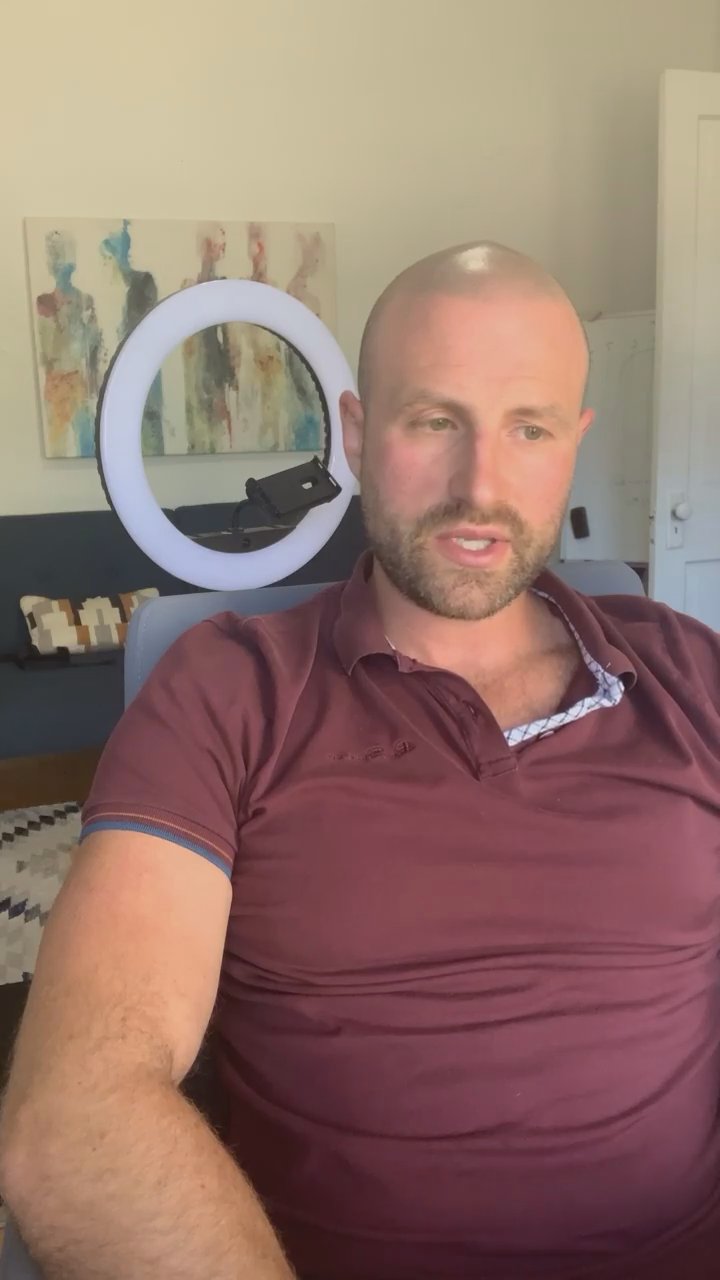
In this episode of Mental Health Matter, we are doing our Biweekly AMA episode, where you all can ask me any questions you have regarding addiction or mental health. I will bring questions from my followers and Cadre family as well as answer your questions live!
This is another episode of Mental Health Matters. Ask me anything where you could ask me any question related to mental health, addiction, or really whatever you want. Put it on do not disturb so I don't get weird notifications.
We have the bi weekly AMA episode today. I brought a bunch of pre made questions. If you have any questions about addiction, mental health, or otherwise, that's what this live is all about. The more questions you ask, the less I have to do of the ones I bring.
Should I break up with my boyfriend who struggles with addiction? Here are some factors you may want to consider. How long have you been with this person? How committed are you to them? What is their motivation? I recommend that an individual in this situation seek help through therapy.
Each and every situation is unique. As far as having the significant other with addiction, those are some variables I look at. At the end of the day, you gotta do what's right for you. The family harder than the addicted on their own recovery.
How do I get help for cannabis addiction specifically? Each drug that has addictive harmful potential has a couple things in common. The impact on your dopamine reward system is a big predictor of addiction. Most people would find help on an outpatient basis.
How do you keep being that supportive person with alcohol addiction without changing to being bossy? I find sometimes it's a hard line to follow. There's a difference between being the manager versus being the shepherd.
What's up, folks? Evan here, your resident mental health and addiction therapist. This is another episode of Mental Health Matters doing our bi weekly. Ask me anything where you could ask me any question related to mental health, addiction, or really whatever you want, frankly, the choice is yours. Cadre notification. Oh, I'm live. Look at that. All right, that's good to know. Just to make sure the beacon gets out there and this thing is going now, I should probably put it on do not disturb so I don't get weird notifications that disturb me.
Disturbing notifications. Anyway, so, again, we have the bi weekly AMA episode today, so I brought a bunch of pre made questions. All right, we got the folks coming in. We got Jules, we got car jazz, some of the regular speaker wonderland. I love it. Right away, y'all are hopping right on. So I brought some questions that people have asked from online, from social media, from Cadre, and we can answer those. But again, if you have any questions about addiction, mental health, or otherwise, that's what this live is all about.
To ask me questions live. And we'll go from there. So we'll see. The more questions you ask, the less I have to do of the ones I bring, then I have to collect less. So keep asking questions if you can. Good afternoon, Jules. What's going on? What's the update in your life? Tell me everything. First question. This is a fun one. I've never gotten this, like, so directly, but many versions of it, and it's a tough question to answer. And that is, some female reached out to me. She goes, should I break up with my boyfriend who struggles with addiction?
She gave me a little bit more information, and that's a good question. So let's say you have a sicken significant other who struggles with addiction. We all have heard stories about the significant other who has stood by the person and was a great support, and the individual accredits them as being a big support and being able to move past their addiction. We also have heard of stories, and you probably know people who have stayed far too long with people who are struggling with addiction, who have not done those things to help themselves and that have kind of put that person, that friend or family member of ours, or perhaps yourself, honestly through the wringer.
So what's the difference? Okay, so here are some factors you may want to consider. Some variables. Number one, how long have you been with this person? How committed are you to them? That's probably a big difference. If you're, like, been married to this person for a while, things had been good at some point otherwise, outside of their addiction. So that's another variable, like, how good was the relationship before things started getting off the rails? How severe is it? Have they tried before? They tried multiple times.
The times they tried, did they put significant actual effort into it, or were they just giving lip service and just kind of doing what they needed to do just to get on your good side or the court's good side, their job, whatever that may be. So, like, what is their motivation? Yeah, I mean, so those are probably, like, the main variables to look at. You know, there's, I would say, if the relationship was, like, good. Otherwise, if there's, like, a strong foundation, if they're a good partner or have been, then being able, let's say, marriage through sickness and health and disease.
Addiction is a disease. It is a sickness. But let's say you compared it to another sickness, like diabetes or cancer. Well, it's like, oh, people differentiate those for decent enough reason. However, there is still a behavioral component to it. Pretty much all of those, right? So let's say, like obesity, diabetes, something like that. Right. There are treatment plans for that, and people can choose to follow their treatment plans and put effort into that. However, with addiction, kind of the issue there is, like, it really impacts other people in a much different way.
It's a little more intrusive into other people's lives. And I, on a much deeper level, just a little different than not exercising or something like that, taking your medication in certain circumstances. So giving that person some shots, seeing if they are open to going to treatment, to going to meetings, if they chronically are relapsing and they're not following through with the professional recommendations they're given to, then I think that's a time to set a firmer boundary. I always recommend kind of an escalating set of boundaries at the beginning, just kind of giving that support, explaining where you're at and what you're open to, then from there, maybe tightening it up a little bit.
And I call these soft boundaries, or I have, like, four levels of boundaries, but I, you know, escalating that to say, hey, this is really impacting me. I can't keep doing this. I really need to see something different. And then if it keeps going, having more strict boundaries, that's when you start, like, threatening to leave and that kind of thing. But again, it's your life, you know, I recommend that an individual in this situation seek help through therapy, through something like Al Anon family's anonymous for car jazz families anonymous lady.
And that could probably help give you some insight as well for other people who've been through it. So let's go to Jules. Loaded question for me today. My sister in law has been relationship from hospital today. Now our family is trying to figure out care giving. She lives alone, is next door to us. So what. What's going on with your sister in law? What's. What was she hospitalized for? Yeah, what's going on? Yeah, what's going on with her? On a brighter note today, you took time off, extended weekend.
Rough week for sure. Yeah. Sounds like a lot. Sounds stressful. I know you, jewels, particularly, you put a lot of stress on yourself. You always have a lot on your plate, always overflowing a bit too much. So I know that's a big thing for you to take a day off. So that's a, that's a win right there to celebrate. And hopefully you're doing something a little selfish in a good way. You gotta take care of yourself, so. Well, I hope that makes sense. As far as having the significant other with addiction, those are some variables I look at, but at the end of the day, you gotta do what's right for you.
Remember that a lot of times people stay in these situations way longer than they should have, and they look back on that, knowing it. It's just really hard when you're so close to the situation because you're really emotionally wrapped up in it and it's hard to see. So also getting opinions of outsiders like your friend, the friends and family who love you most to get their opinion, because often they're probably right. Honestly, most of the time, you know, when we have a hard time seeing it right.
Being in a. Whether it's being in a toxic relationship, our struggles with addiction, sometimes we're the last ones to hop on the ship of me. This needs to change. I'll cross that off the list. Any, again, encouraging you all to ask any questions you have about addiction, mental health, or really anything you want, I'll answer to the best of my ability. This is one how someone asked me, how do I get help for cannabis addiction? And that is true. Yes. Each and every situation is unique. There is no template.
Yeah, exactly. So there's no perfect template, but, yeah, those were just some of the variables that I would think about. And the more of those that are kind of weighing on the negative side, you know, the more you may want to consider. And the one thing, actually, I should add there, too, is that just cause you leave someone or just distance yourself. So it could be like breaking off the relationship, but you can still have distance and be supportive, maybe taking a good amount of time to fully separate and get your stuff together and get, not that there's anything wrong with you, but, like, to really gather yourself and then maybe being able to be there as a supportive person, if you can emotionally handle that.
And maybe they. They do get sober. And that's the other thing I didn't mention, too, is sometimes it is. A lot of people who are in recovery will cite that there had to be consequences for them. And though consequences aren't always effective for getting someone sober, if your life is fine, then the motivation may not always be there. Right? And those consequences, not like you're going to go out of your way to provide consequences. It's more that these are natural consequences of you doing what's healthy for you, and so you could get back together with them eventually.
Maybe they string together some recovery time and some of those variables of them seeking help on their own. You're not having to nag them once you find yourself in a really horrible place to be is when you become the manager. When you become the manager of their life, and you're, like, trying to get them do this and you encourage them. But it kind of goes past this initial encouragement of trying to be the probation officer, the manager, the engineer of them and their life. That's usually a red flag that you're doing a little too much and you're working harder.
That's another line. Don't work harder than them. Don't work. The family friend should not work harder than the addicted person on their own recovery. That's a very good rule to live by. Yeah. So getting back to cannabis, so how do I get help for cannabis addiction specifically? This is an interesting question, because if we're being real, I mean, cannabis and actually just did a video, I recorded a video on this that'll hopefully be up here probably within the next month at the latest, about a just breakdown in cannabis itself.
But I could kind of hit some of the highlights. So each drug that has addictive harmful potential typically has a couple things in common, which is the impact on your dopamine reward system, that reward chemical that feels good, that drives your behavior, that anticipates reward, and gives you that reward in that feel good kind of way. And so that's a big predictor of addiction. Jules? I'll get to that question. That's a good one. And so, with cannabis, kind of its unique thing is it doesn't often.
For some people it does, but for a lot of people, it is like a slow burn, no pun intended, kind of like alcohol in some ways that usually people don't crash and burn right away. For adolescents, it can become a little more obvious, those consequences, and it's often associated with, like, poor mental health, school performance. So it really does have a greater impact. And they often find themselves in even inpatient treatment more often than an adult would for that. So, like, one of the highest, it's one of the most common drugs, and it's not the most common that a teenager will get treatment for esophagus, because often it's a reflection of other things as well.
Becomes a negative coping skill, that, or coping mechanism that promotes an addictive cycle of consequences and, you know, behavior and whatnot, you know, but then for folks, sometimes, you know, they get a little bit older and maybe their life hasn't fully fallen apart, but, you know, there's a lot of times that failure to launch syndrome, where it becomes part of that negative coping mechanism cycle where an individual may impact their motivation, it may impact, you know, their mental health in general, you know, so all those things will play into what I would call the disease of missed opportunity.
Right? If most addictions are disease of consequences, which are also missed opportunities, that's, I think weed has that really specific element to it, and so therefore, kind of keeps you in the state of purgatory for longer. But anyway, as far as getting help goes, again, you're not going to see as many people in there for inpatient, for weed, but there certainly are. And it can happen, like, if someone really feels like they're hopelessly addicted and they've tried everything else, it's just having this really negative impact on them.
And sure, yeah, that's totally reasonable, but most people would find help on an outpatient basis. Maybe the first thing I would do is have them see a therapist with a specialty and addiction. And then also, if they're motivated to that point, to maybe try doing a twelve step program. I have a friend that does marijuana anonymous, you know, and you could do like even AA, Narcotics Anonymous, whatever. And there's a big fellowship. As long as people find it beneficial, it's gonna be a smaller fellowship and there probably will be something around you, but to do like a marijuana anonymous as well, so you could connect more, because again, every drug has its own specific element, so we'll do that.
Well, let's touch on Jules question. How do you keep being that supportive person with alcohol addiction without changing to being bossy? I find sometimes it's a hard line to follow. Yeah, it really is. So think about it this way. There is the player, and then there's the game. Now, as somebody who has influence over that person, whether it's through your relationship or you're their boss or, you know, whatever, right. You have some type of influence on them if they're close in your life. Now, what I mean by the player in the game is, right.
So they're making their decisions within their environment. However, the decisions you make also altered the situation itself. So, like, if you were to, like, provide some consequences, if you were to set a boundary with them, right. That boundaries within the game that they're playing. So you're basically setting up your own, you know, you're setting your own boundaries. You're kind of creating the circumstances of, you know, quote the game versus trying to control the decisions that they make.
And that's really, and that could be really difficult. And then again, kind of going back to that, when you find yourself in that managerial position, that's when it's time to take a step back and say what can. As I am also a player in the game, I guess what decisions do I make that aren't directly trying to control them? Right. And that's like keeping your distance, but also, it could be offering support, offering help, but not going too far. So, you know, when it comes to support in anything with someone, and there's a behavioral element, it's like meeting halfway.
You know, that's kind of the, a good way of looking at it is I'll meet you halfway, but no more, maybe even 60% if the person really needs it. But I'm going to meet you halfway to be there for you. Offer support, put my time and energy into trying to help you. But if you're not meeting me halfway, if you're not following any suggestions, you're not taking steps to get help for yourself, you know, then when you start moving here, that's when it starts to get into an ugly, unhelpful territory where they're kind of taking you down with them and really impacting your serenity in a deeper way.
You know, it's still like if you really love and care about the person, it's hard to see them struggle. And therefore, that's why it's more difficult than I make it sound to take that step back, because you really so desperately want them to do better, to get on track, and just a lot of times just to not die. I mean, this is a deadly disease, and especially if someone's doing heroin or severe alcoholic or whatever, it can make you desperate. So it is very, very difficult to not do. And that's why you need, like, help and support from other people, from professionals for yourself to help you keep that healthy distance while still being supportive and just knowing there's only so much that you can do and go out.
I don't know. I've never seen it where somebody goes like that much more than halfway and that person has, like, really little to no motivation on their own. All you could really do is make your own decisions to impact your serenity in a positive way, which in turn sets boundaries and usually becomes a consequence for them, which can increase their motivation. That's not why you're necessarily doing it. You're doing it for you, but it works in both ways. Yeah. So being bossy, I think there's a difference between being bossy, right.
Because then you're the manager versus, let's say, being the shepherd, right. Kind of creating the. That's kind of like creating the game, right. Kind of trying to gently herd them in the right direction without unleashing the border, probably to bite their legs per se. Maybe that's not. Needs to be done, but, yeah. So, I mean, there are still instances like, let's say, routine. Maybe you are going to put a little bit more pressure that you kind of have to be in that role because you're already in that role to a degree as a parent, and you need to step into a higher level.
And maybe that is, for lack of better term, forcing them. But you can't really force anyone to do anything but put enough pressure that they really don't have much of another choice. Do treatment in hopes that something clicks there. And sometimes it is like a lifetime journey. Like, I'm working with someone who's kind of had an addiction on and off since they were a teenager with the parents intervened. But then eventually, as he grew up, he'd have these times where he was doing well, good enough, and then he would fall into an addictive pattern again, you know, being in a more functional place than he was before.
But for him, it's just been a learning experience each time. And he said, then come back to therapy with me. Overdose over the last, you know, eight years, like, maybe this is like the third time. And each time he comes back, there's good things going on in his life, but it's often like, yeah, you know, I kind of fell back into a bad pattern with alcohol. I had a couple incidents. I had a couple incidents where I blacked out and, you know, raged on. My wife and you know, she's starting to. I'm getting worried because she's starting to crank the boundaries up.
And I know that if I keep doing this, I may lose my marriage. Right? So that's part of his motivation as well. He wants to save his marriage. Right? Versus if his wife's like, oh, okay, just apologize. That's fine. Right? Then you're like, oh, I guess I could get away with it again. Right? There's all sorts of motivations, internal and external. Yeah, I heard that initially from a guy, Doctor Russell Barkley, who's like, one of the more well known experts on ADHD. And he said that once as like, his parents, like, in regard to parenting, you know, it's like be the shepherd and not the engineer.
Right? So taking, you know, helping to guide them in the right direction without forcing them and trying to directly influence them in a, you know, overly managerial, directive, controlling way is essentially what he's saying. So I really like that line too. And I think it pertains to this as well. I think I'm going to end it there. If anyone else, any last questions or comments, I think we can save some of these for later. Maybe I can make, like, a little more in depth videos on this. Maybe I'll leave some of these.
Put an x that I did them. Yeah. So maybe I can do a video on that too. Shepherd burst in. Yeah, let's do that. Anyways, folks, it's been real. I'll be back next Wednesday. I missed this last Wednesday. I was having some technical difficulties and missed my slot, so I came on up. Anyways, there should be more good lives today, I believe, throughout the weekend, throughout the week. And I will see you next time. Thanks for participating and hope you have a good weekend. Bye.