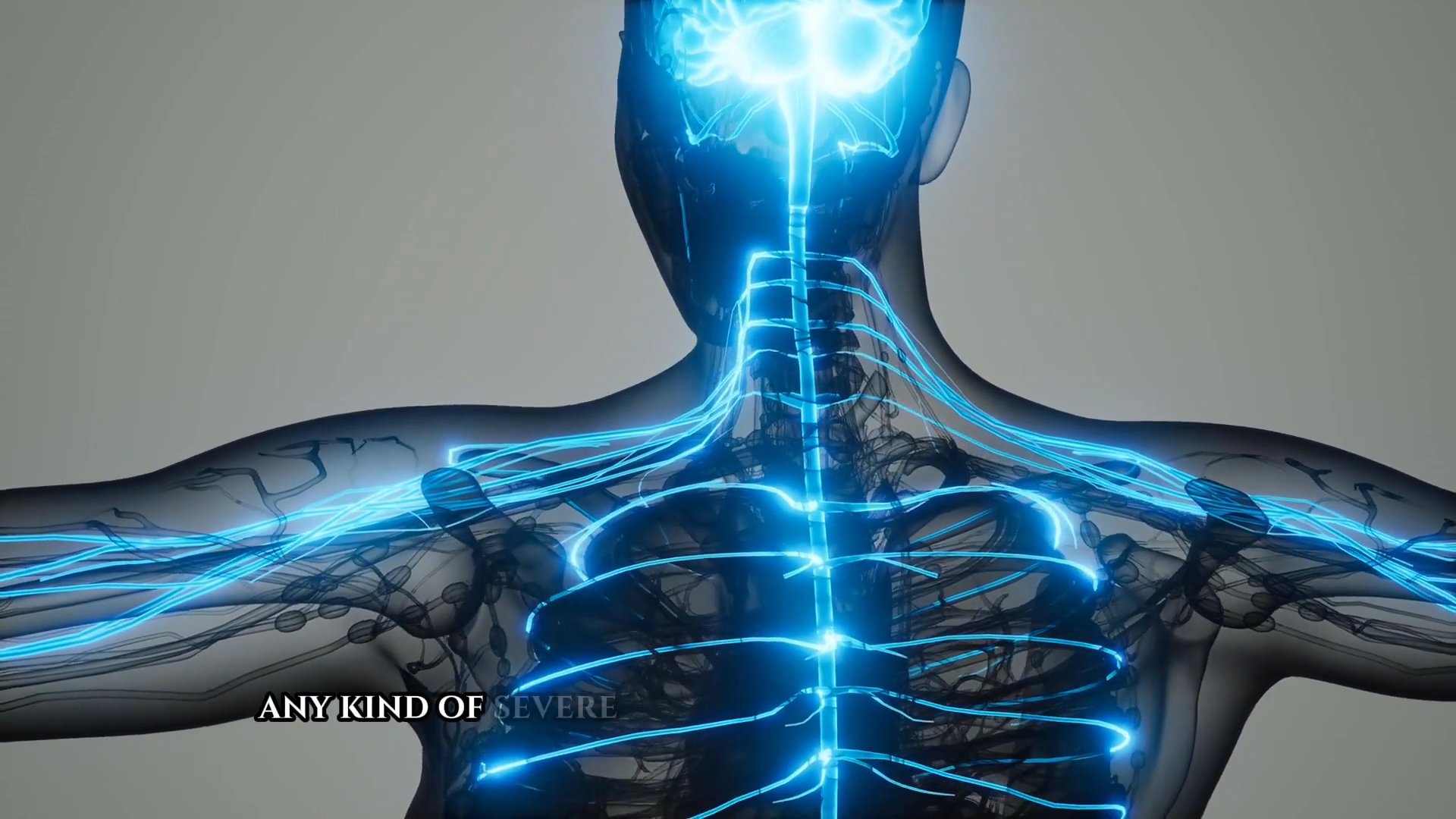
In this enlightening episode of "Healing Our Hidden Wounds," our deep dive into the world of trauma continues. Evan, our resident mental health and addiction therapist, shines a light on a critical aspect of trauma: its manifestation not only in the mind but also within the body. He explains how trauma is stored within our physical selves and outlines the strategies trauma therapists employ to unearth and heal these concealed wounds. Join Evan as he guides us through the intricate process of addressing the physical embodiment of trauma and moving towards holistic recovery.
Our trauma is embedded deeply within us in a physical way. When we experience stress and have that memory, our body has a physical reaction. Through trauma therapy, both our minds and bodies are going through a process of relearning. There is a path forward, a path to healing.
What a lot of people dont truly grasp about severe trauma is how it affects much more than just our emotions or our thoughts. Our trauma is embedded deeply within us in a physical way. Im Evan, your resident mental health and addiction therapist, and this video is part of our series healing our hidden wounds about trauma and its effects as well as trauma recovery. And in todays video were going to be talking about a crucial topic. And that is how trauma impacts us physically, far beyond just physical abuse that we may have experienced.
Any kind of severe trauma is stored in our body and it may be difficult to understand. It may seem kind of out there. And this is a much newer concept, or at least it's being recognized much more widely in recent years because of how impactful it truly is. So to illustrate this principle, I want you to think of a time where you were severely stressed, maybe having a fear response, perhaps not your deepest, darkest trauma, but go inward. When you think about that experience, what do you notice in your body as you have that memory, those deep emotions?
Where do you feel it? Perhaps it's in your chest, your stomach? Maybe you're feeling your face get flush as you experience anger. You see, our experiences don't happen in a vacuum. Our mind and body are one in the same thing. When we experience stress and have that memory, our body has a physical reaction. Because remember, this is often an adaptive response. It's protective. Thinking about this incident, if I have a trigger in my environment, this fear response helps me remember to avoid it, to stay safe.
So when it comes to trauma, there's also a disconnect between our minds and our bodies. Because sometimes we mentally understand that we're not in danger, we're not in fear. However, our body responds differently. We can't just tell our body to not have that physical response. And sometimes it gets so confusing because we may actually start to believe in that fear that we are in danger. And that's one of the important things we do in trauma therapy, is trying to change those narratives. But it's important to not just address the head, it's important to address the body through doing things like mindfulness or exposure type therapies, which we'll talk about later, where we actually notice the feelings that come up as we think about it, allowing our body to experience it.
And over time, we get desensitized to it. Through the process of trauma therapy, both our minds and bodies are going through a process of relearning. We're always forming new neural connections, not just as children. As we begin to develop every single day, every experience we have, changes are happening in our brain. So when we do things like trauma therapy or other experiences that are therapeutic or healing, we are actually restructuring our minds and also restructuring our nervous system in the same type of way.
So remember, we don't have to be defined by our past. There is a path forward, a path to healing. So continue to watch some of these videos in this series to learn more about trauma, its impacts, and how to move forward.