Boundaries aren’t walls — they’re clarity. This video breaks down how to set limits without guilt, over-explaining, or losing yourself.
Boundaries aren't about pushing people away. They're about staying connected without abandoning yourself. Once you start setting boundaries that feel appropriate for you, you'll start to respect yourself more. Your relationships will actually improve.
Boundaries aren't walls. They're doors with locks. I think a lot of us were taught that boundaries are dramatic or cold or something that you set only when you're angry. But boundaries aren't about pushing people away. They're about staying connected without abandoning yourself. We tend to think boundaries are about controlling other people's behavior, but they're not. A boundary isn't, you need to stop doing that. A boundary is, if this continues, here's what I will do. So it's not about changing someone else's behavior.
It's about being clear about what you will tolerate. So a lot of us struggle with Boundari because we confuse them with rejection. We feel like if we say no, people are gonna leave us, or if we ask for space, people will think we're difficult, or if we speak up, we'll be too much. So instead, we overextend. We abandon ourselves. We agree when we don't actually agree, or we stay quiet. And that's when we start to experience resentment or feel like our needs aren't being met. Here's a reframe that has helped me a lot.
Boundaries aren't walls. They're doors with locks. So you're not shutting everyone out. You're deciding who gets access and under what conditions. You decide who gets the key, when you're willing to give a key that you maybe not otherwise would have and when. And the truth is that people who benefit from you having no boundaries or having no locks are usually the ones that are most uncomfortable when you start setting them. And that doesn't mean that you're wrong for setting these boundaries. It means either the dynamic is changing or it's information that this person is not someone who's going to respect your boundaries in the long term.
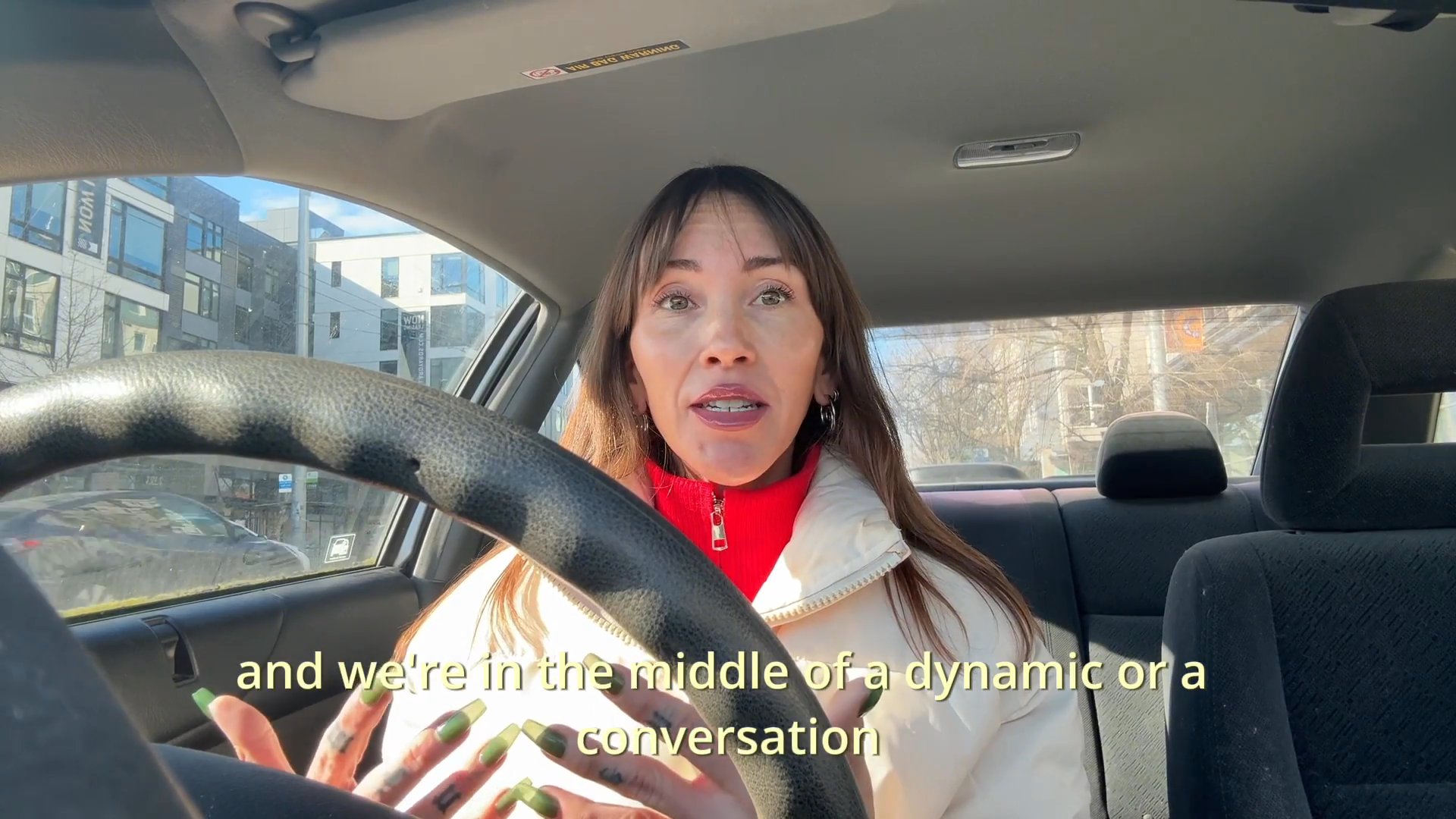
Also, boundaries don't have to be aggressive to be effective. They can sound like, I'm not not available for that. I need to think about it. That doesn't work for me. We're also allowed to think about boundaries before we set them. So if we don't know what our boundary is and we're in the middle of a dynamic or a conversation, it's okay to say, you know what? I need to think about that before moving forward. Boundaries aren't about becoming harder or shutting people out. They're about becoming more honest and being clear about what you need so that people can actually show up for you in ways that matter.
And the truth is, once you start setting boundaries that feel appropriate for you, you'll start to respect yourself more. Other people will know how to respect you and your relationships will actually improve.