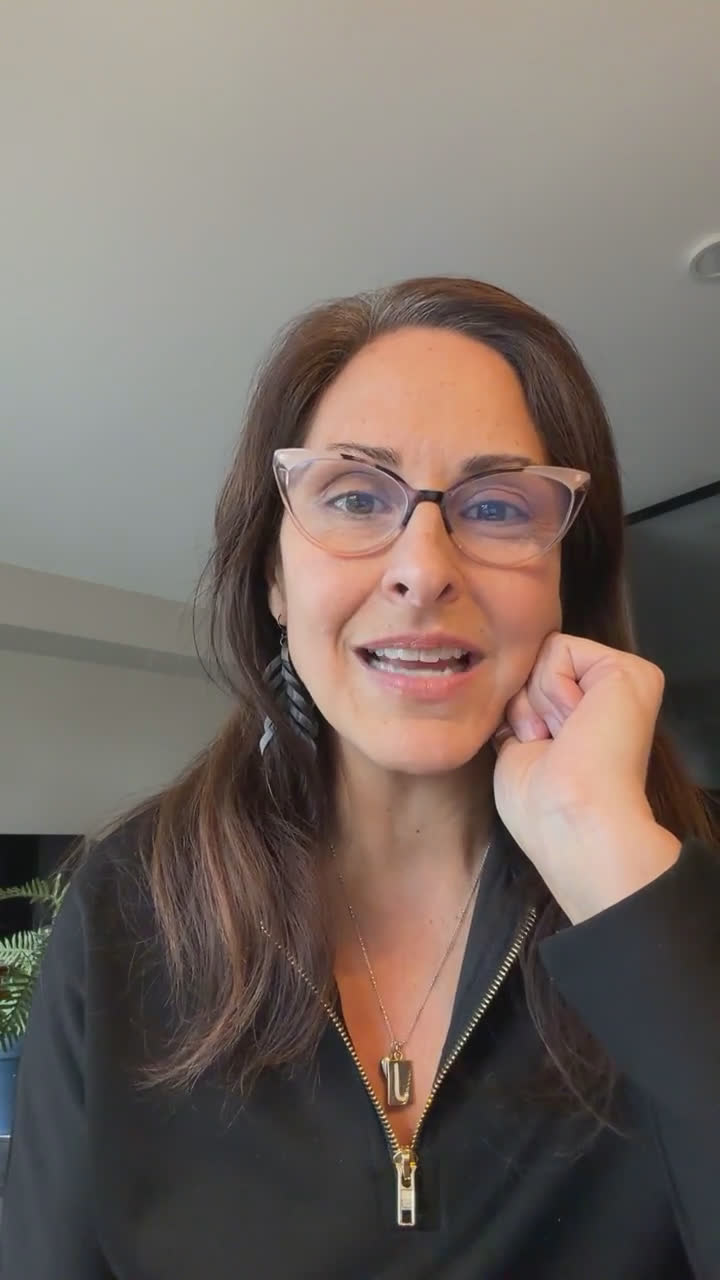
Jen Vella hosts weekly Sober Not Somber hour. Also highlight a favorite non alcoholic beverage of choice. November is about acceptance, but around abundance and gratitude. The five stages of grief are denial, anger, bargaining, depression, and finally acceptance.
Jen Vella hosts weekly Sober Not Somber hour. Today we have a 0% ABV alcohol by volume beverage. Also highlight a favorite non alcoholic beverage of choice.
November is about acceptance, but around abundance and gratitude. The five stages of grief are denial, anger, bargaining, depression, and finally acceptance. To understand that the phases are not linear is a big one.
How are we using abundance and gratitude to kind of understand what acceptance in your best way or form might look like? Radical acceptance is huge. DBT Dialectic Behavioral Therapy. You should be teaching this.
LZ: If you are in any of these phases for anything, like, acceptance to me was like, talked about this in the sauna, too. There's like this micro acceptance of things of loss that happen that are in our control. And then there's other things that are absolutely out of our control that we will never have answers to.
Rachel: Acceptance is a, is a big word and it's in culture. And so it's amazing when people chime in and can share their lived experiences. And I hope if you are in any phase of grief that you understand that the waves do come. Happy November 4th.
Hello everyone. Here we are Tuesday again. The weeks seem to be flying by. I'm Jen Vella, your host for Sober Not Somber hour. Welcome in. Welcome. If you've been joining me weekly since February, off and on. Glad to have you back. If you're new, what I like to talk about at Sober Not Somber, our time is issues related to alcohol misuse and how alcohol can show up in our lives and leave us feeling less than purposeful. I also every time highlight a favorite non alcoholic beverage of choice because if for some of us and with 11 years of sobriety, when I first stopped drinking, I didn't know what else to do with myself.
So today we have mingle, which is a variety a ready to drink, one of the first to the market actually. And this is a 0% ABV alcohol by volume beverage. This is BlackBerry hibiscus bellini. How fun is that? Hi Rachel. Crack this open and serve up a little mingle to kick off our non alcoholic happy hour. I hope you all have something in hand to drink. Cheers. If so, BlackBerry. And this is going to be 60 calories a can, so a little higher on the high side of what I usually like to offer, but taste matters.
Oh, that's a little sweeter than I am used to, but it's got that. All the good flavors. I believe this one is Wayne, Pennsylvania is where this is created. And the founder, Laura Taylor. Yes, that's right. It's been a while since I've had a mingle. Yes, it is fun. It is fun. Na beverages are so fun. It's what I love to chat with people about who think that a life of sobriety can be depressing or the end of their social life. So welcome in again. So today, if you've been paying attention to the other Cadre contributors, the month of November is about acceptance.
And I love how we were internally prompted as contributors to think about this as an inner peace. And that's really, you know, landing this November for me. And I think it's also a seasonal thing that those of us in climates that have seasons sort of can experience on the level of just how we feel, but also just the cadence of things. We have a little bit of a breather maybe before the holiday season starts up and gets, you know, pulls us back into all the busyness. And that's why I love this prompt.
So today, you know, the theme is acceptance, but around abundance and gratitude. So like, how do those two things contribute to accepting something? And typically when I'm thinking about acceptance, I'm thinking about grief. And loss. And I just led the Annunciation community through a sauna guided session this last Wednesday night. And that's been on my heart quite a bit. So at Superior Sauna, which is just a little bit north of the Annunciation shooting site, there were families that came together on Wednesday night to center themselves around what, what does this type of.
What does this grief mean? How can we support each other in community through this time? And as a reminder, the five kind of phases of grief. Denial, anger, bargaining, depression, and finally acceptance. And if you are feeling familiar with grief and we all have it, we all have loss in our lives at some level, it's a very human experience. To understand that the phases are not linear is a big one. And coming back to each stage or phase based on emotions you're feeling at any given time is completely normal.
I personally have had grief in my life recently, and I was kind of moving through everything and thought I was sort of checking off these boxes and got to a level of acceptance and realized that that's like, temporary. And I found myself back in some of the other stages, like anger, for a good week or so. Like, I thought I had made peace with this. I thought I had an inner peace around acceptance. So I'd ask you if you've experienced grief recently, if there's any one of those five stages that you currently feel like you're, you're, you're in.
And again, they are denial, anger, bargaining, you know what, what should I have done different? How could this outcome have been different? How might I have influenced it to be different? Depression around it, and finally acceptance. Are you currently in any of those phases? Yeah, Rachel, grief never goes away. May be quiet, but it flows in waves. That's exactly what we did in the sauna. We talked about how it's just completely unpredictable, what triggers movement between the different phases of grief, but it's always there.
And it's the, the human experience of experiencing loss but recognizing the importance of that thing that you lost and finding some gratitude and the fact that you had that person in your life or that thing, whatever it is that you no longer have, having gratitude for that moment in time where you did have that. And we did talk about that, the waves piece of it. We had, you know, people trying to tap into grief in community. But the sauna experience with the heat and the intimacy and the closeness of the conversation allows us to really just access all the senses to understand how grief is showing up.
Yeah, until you said that, I would have said depression hands down. Never thought of bargaining in that way, yeah, bargaining. And so much of it is out of our control, but we somehow feel like, could we have controlled this? Could we have done something different to present, prevent this grief or loss, maybe never even have had that relationship or whatever in the first place that might have prevented a loss. So, yeah, it felt very human in the room. And there. Well, the room, the sauna where I was guiding.
And there was, you know, 20 some people who were at all different levels. All different levels. Some were members of the Annunciation community that were, you know, still deep in anger. And there were others who were mourning the loss of a loved one of recent and got to share and voice, you know, what it is that they're feeling. And they remembered those moments where things felt like, you know, the denial phase, where things can feel very much like a blur, but also crystal clear memories of where exactly they were or when they had this news or the impact of this grief or loss really hit them.
So, yeah, the brain remembers. We talked about how the brain is trying to find the patterns that feel good in grief, and they're actually chemically less accessible. Your dopamine receptors, everything is sort of shut down when you're in. In grief, which is so crazy counterintuitive. It's like, help us out, help us out. Our, you know, our bodies should be able to. But it. There's a. A reason for it. There's a process, there's growth. And then if you do look at the. The five stages, eventually reaching acceptance and what I mean by acceptance, and I want to dig into this a little further high, speak, wonder, dig into this a little further in that acceptance doesn't necessarily mean agreement or you are okay with this loss.
It more essentially means that you've kind of logistically wrapped your head around, okay, this actually happened, and more of an understanding of the reality of it. That's the acceptance piece, at least in my mind. And as I was talking with my coach, Heather about this, it's not necessarily like, hey, yeah, I'm okay with this. I'm not, I'm not. And then what does it look like accepting what you know and what you have and then moving forward with that, that grief? Because it. You never really. It doesn't really go away.
It can be expressed differently. You can find other outlets to shape it and create it differently in time. But I feel like even in my situation, I just talked about a grief over the loss of a relationship, and it's, you know, coming back to all the phases and it gets tiring, it gets exhausted Exhausting gets exhausting to be like. And frustrating to be like, oh, here I am again. Sort of in the phase of denying that it even happened. Oh, yeah. Ms. Shannon Paul. Hi. My reading on radical acceptance helped with that as well.
We have to check that out. Radical. Right. It's doing something against, you know, everything that society says and tells us. You know, grief is. It is an awful thing. But we have tools. We can shift our mindset around grief and that. You know, I look at the topics for today and abundance and gratitude pathways in to managing grief. Maybe let's call it that. Like, it's not going away. But how are we using abundance and gratitude to kind of understand what acceptance in your best way or form might look like?
Radical acceptance is huge. What's dbt? I'm sorry, I'm not sure what that is. Rachel. I'm curious. I should know. And yeah, Rachel, also the phrase, everything happens for a reason. Oh, my gosh, no. Not comforting. Not comforting. It's hard for people to know what to say. The loss of a relationship that had never actually launched or was, you know, you could see potential in something and it was never met. Thank you, Rachel. DBT Dialectic Behavioral Therapy. You should be teaching this. I love that.
Thank you for sharing. Yeah. So as we're kind of wrapping today, like, my question earlier, if you are in any of these phases for anything, like, acceptance to me was like, talked about this in the sauna, too. Like, the idea of the fire and the heat being like this anger and this, you know, movement or bargaining and like you're trying to take action and then thinking of kind of riding that heightened intensity with the idea that things come to you in waves and then, you know, stepping out of the sauna, getting into, like, a cold immersion or a community circle where things kind of ebb a little bit more and you experience, experience, maybe more of a calmness could be a moment of acceptance.
And sometimes, you know, all we have are just. I have personally have felt this, too. It's just a moment or a day where I feel like I've achieved some level of acceptance through gratitude or just a realization of how I'm surviving and taking care of myself in the midst of. Of loss. And that's not something to take lightly. If anyone has, you know, worked through these things and shown up for themselves, despite being in these uncomfortable spaces and being frustrated and angry or depressed and just wondering when is it ever going to get better, moving through whatever or sitting with it if it needs to be just with you and not rushing the process speak wonder dealing with something similar now.
The way life has played out being so completely different than the ways I've always imagined. For sure. Yeah, that's a big one. And that's there's like this micro acceptance of things of loss that happen that are in our control. Like let's say, you know, me choosing to leave my apartment and move to a different place is something in my control, but yet it's still a sense of loss. And then there's other things that are absolutely out of our control that we will never have answers that we are satisfied with around loss.
We never will. And yeah, thinking about just generally life as like a 53 year old thinking, you know, back to. I never envisioned being at this place in my life. I have a ton of gratitude for where I'm at, but also the journey has been hard. It's been hard in many ways. You know, not only just choosing to, you know, not drink and discover complete sobriety, which I'm extremely grateful for. Cheers to that. Acceptance versus resignation. Hmm. Ooh, that's big. Gosh, I wish you guys, I wish we could all share.
But yeah, acceptance is a, is a big word and it's in culture. I feel like it's just acknowledge that we're, you know, maybe okay with something. Whereas I had just said earlier, it's not even necessarily that it's sitting with maybe the reality. Oh, thank you all for chiming in. It was so good to have your voices with me today. It gives me support. All of us contributors are, you know, doing our best too and trying to show up. And so it's amazing when people chime in and can share their lived experiences.
It definitely makes all of us hopefully feel less alone. And I hope if you are in any phase of grief that you understand that the waves do come and it's, you know, moving through that as best as you can is all we can do. So thanks again for being, being here and logging in and I'll see you next week. Happy November 4th. Bye, Rachel. Cheers.