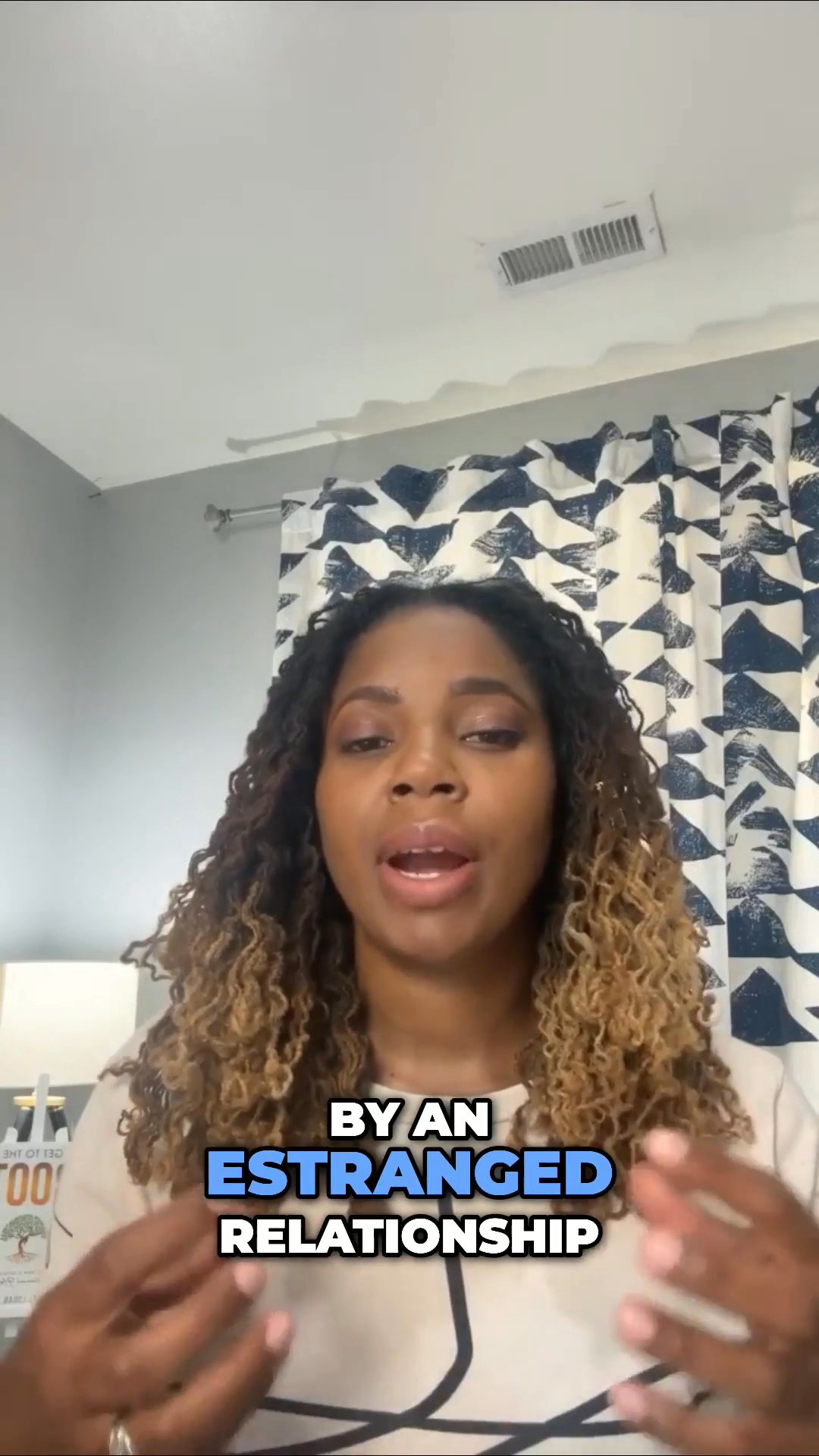
Join Rachel as she discusses the topic of suicidal thoughts and ideations. Help and support are here, you don't have to go through this alone.
Having suicidal thoughts in a plan, like how do a person get to that point? We're not born to think that way, that we just want to end our life. This is not meant to be triggering, but more to be informative.
The root of suicidal ideation is not necessarily coming out of the blue. It can be triggered by a loss of a loved one. Financial issues or change in job status can cause a person to think this is too much. The best way to overcome suicidal thoughts is to connect with others.
So suicidal thoughts, ideation are the same thing. But having suicidal thoughts in a plan, like how do a person get to that point, right? We're not born to think that way, that we just want to end our life. So something had to happen and I want us to talk about it. And so this is a sensitive subject. So if you feel like this is not fitting for you, it's okay to stop, maybe look at it later, maybe look at, look at this video with a loved one, someone that can support you. But this is not meant to be triggering, but more to be informative.
Okay? And so I want us to think about, if we're not born to think about wanting to end our life, what happened, what happened to you? What happened around you that is causing you to think about wanting to end your life? And I just want to pause and I want you to think about that. If that's you, not you, but if you ever had that thought right, what causes a person to get to a place that they think about ending their life? I have some ideas just from being in counseling. I work with children and I work with adults who present it with suicidal ideation and some with action plan.
And they come to counseling or they get to that place where they feel like dying by suicide is an option. And they get here for a couple of reasons, right? They get here because of mental health issues. And it could be some that's severe, some that's not regulated, maybe symptoms that's not regulated, maybe chronic or severe mental health issues such as depression, anxiety. And so depression is that cyclical cycle of feeling sad. And sometimes it can become very severe or chronic in individuals.
Another example can be anxiety. So excessive worrying, having excessive panic attacks, fear, extreme fear feelings, fear about their future, fear about their situation. Bipolar disorder. So that high, that low, that frequent mood swings, because people can feel that deep pressure, they can feel that they can have really highs and they can have really, really lows. In that deep, in that deep low period can cause a person to have ideations. Substance abuse. And when we think about an individual who uses substance or abuses substance, they're typically trying to escape.
They're trying to escape from reality and go to this alternate place that for a moment it is serene or it allows them to detach. But after the high is gone, they go back to reality. So they're in this cycle. But chronic substance abuse or substance abuse can lead a person to thinking about ending their life. So in addition to mental health issues, can be financial reasons, right? We've seen it in media. We've seen it in movies. We've seen it. How severe financial issues or change in job status and the pressure of living can cause a person to think this is too much and I want to end my life.
So the root of suicidal ideation is not necessarily coming out of the blue. It's triggered by something. It's triggered. It can be triggered by a loss of a loved one. It could be triggered by an estranged relationship or work issues or work pressures. It doesn't come out of nowhere. And sometimes that's a misconception that suicide is. We didn't, we don't see signs or no one has told us, but there are signs. And getting to the root of it and acknowledging that, hey, I am starting to think I don't want to live.
I am starting to contemplate death is a real thing that should not be ignored. It doesn't matter your age, it does not matter your race, it does not matter your gender. Anytime life is life's pressure or mental health issues, health issues. If you're a chronic health crisis and you, there are no cures and you're in constant pain, if you notice that your thoughts are getting dark, I want to say this now. You are not alone. This is something that we can work through as a community, as a community of believers, as a community of counselors.
You have access to support. You have access to support that can walk you through even your darkest moments. Even your darkest moments. So I want us to pause and just acknowledge, you know, if you, or a loved one or if you hurt a friend or you hurt a family member, your spouse, your co worker, they say it jokingly. It's not a joking matter. It's serious. It's serious. So anytime you or a loved one or you heard someone think that, like, I, I don't want to be here or I wish I didn't wake up today or I want to end my life and you see signs, signs of withdrawal, signs of isolation, signs of selling their things or wrapping up business matters, signs of not getting out of the bed chronically, severely, and they have truly detached from reality and family and friends.
Those are signs that should not be ignored. And there are ways that you can help and you can help yourself. And I want to encourage you to consider this. The biggest thing about an individual who is considering suicide that all the research shows is that they isolate. Don't do life alone. This is how you can overcome suicidal thoughts. Don't do life alone. Connect. That is truly the recipe in all the research and literature that I've Read says the best way to overcome it is to connect. Connect.