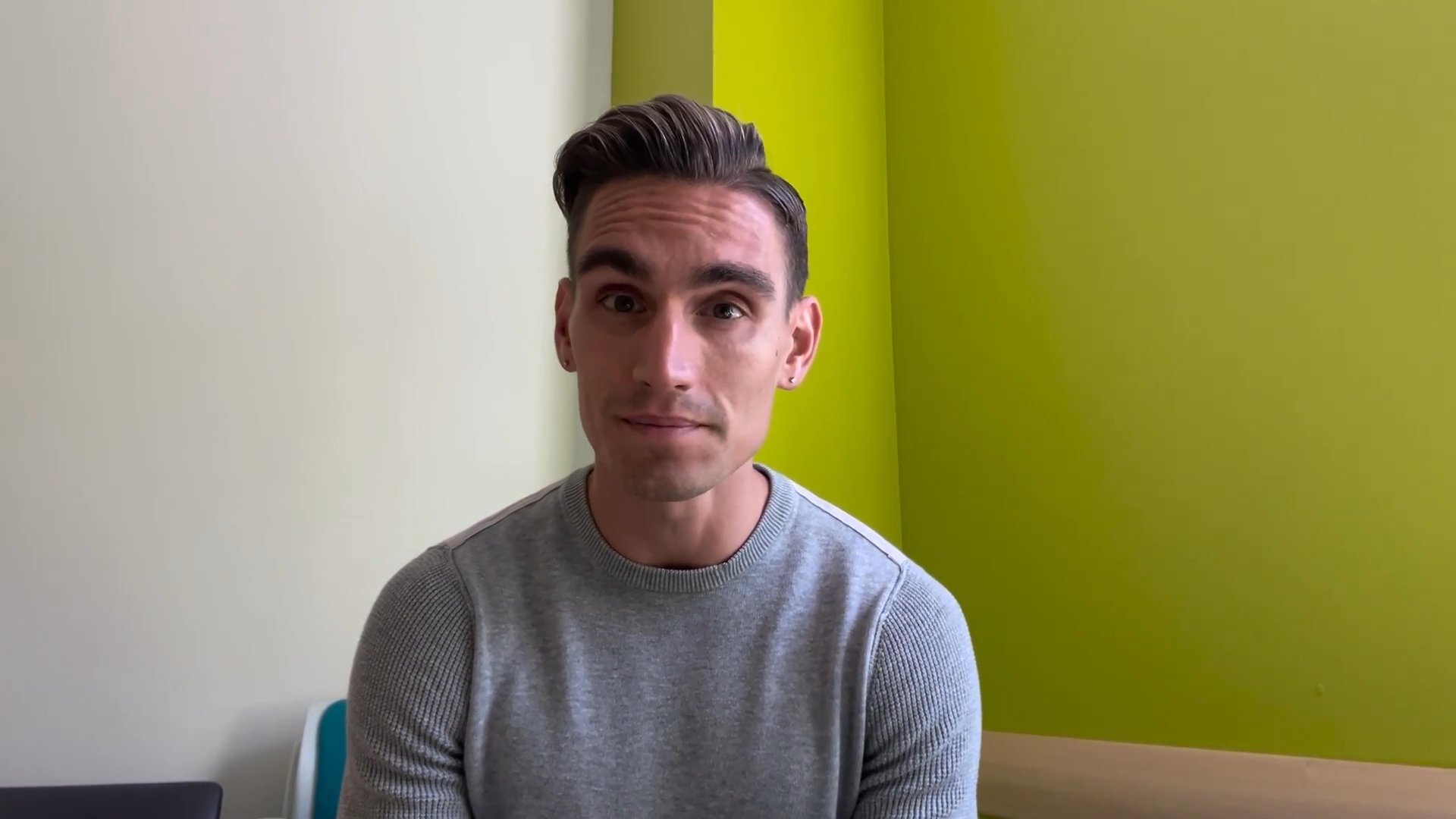
There are four types of stigma, and they’re not mutually exclusive. Stigma can happen anywhere, and can impact daily life consciously or subconsciously. How do the various types of stigma manifest, and how are they related?
Jay Pitrino is a registered dietitian and certified personal trainer. Recently, he was the victim of institutional stigma. There are four kinds of stigma. We have institutional, we have felt enacted and internalized. Are you witnessing how one form of stigma is blending with another?
Hey, cadres here. I'm coming to you from my office because I just had to file an HR complaint about how my identity and discrimination are occurring in the workplace. So I wanted to throw something at you about stigma, both from my own sort of processing of what is happening and what happened, and then also just to see if I'm alone or sort of how this is manifesting for other people in the workplace. So my name is Jay Pitrino. I'm a registered dietitian and a certified personal trainer. And recently, I was the victim of institutional stigma.
So when I say stigma, there are four kinds of stigma. We have institutional, we have felt enacted and internalized. So enacted stigma is that, you know, more obvious, like somebody did something to someone, felt. Stigma is when you just feel that there's the opportunity for someone to stigmatize you. Institutional is when the stigma is built into policies and procedures around us, and then internalize is when we, as a marginalized group, accept the negative regard of others as being true. So I encountered institutional stigma and submitted a complaint with some encouragement from co workers.
And I realized as I was, you know, going through the weeks after that event, because I didn't think too much about it at first. I was like, ugh. You know, almost like I'm used to it as a gay man. And then it started to make me really heightened in other places at work. And I was really observant of how people's active actions and demeanor with. With patients and with other coworkers, I just became acutely aware of everything around me and this sense of, like. Like that cold sweat or that discomfort with that something could happen to me.
So I went from an experience of institutional type stigma to then almost this constant felt stigma. Even though no one did anything to me directly, it was a result of just a policy in place. But because of my homosexuality, I am not feeling very welcomed and very comfortable at work. So I'm curious, from either your own experience or for when you're moving about in the world, are you witnessing or are you also experiencing how one form of stigma, whether it's enacted or it's institutional, is sort of blending or creating an experience around another or another form of stigma?
And maybe I'm not alone.