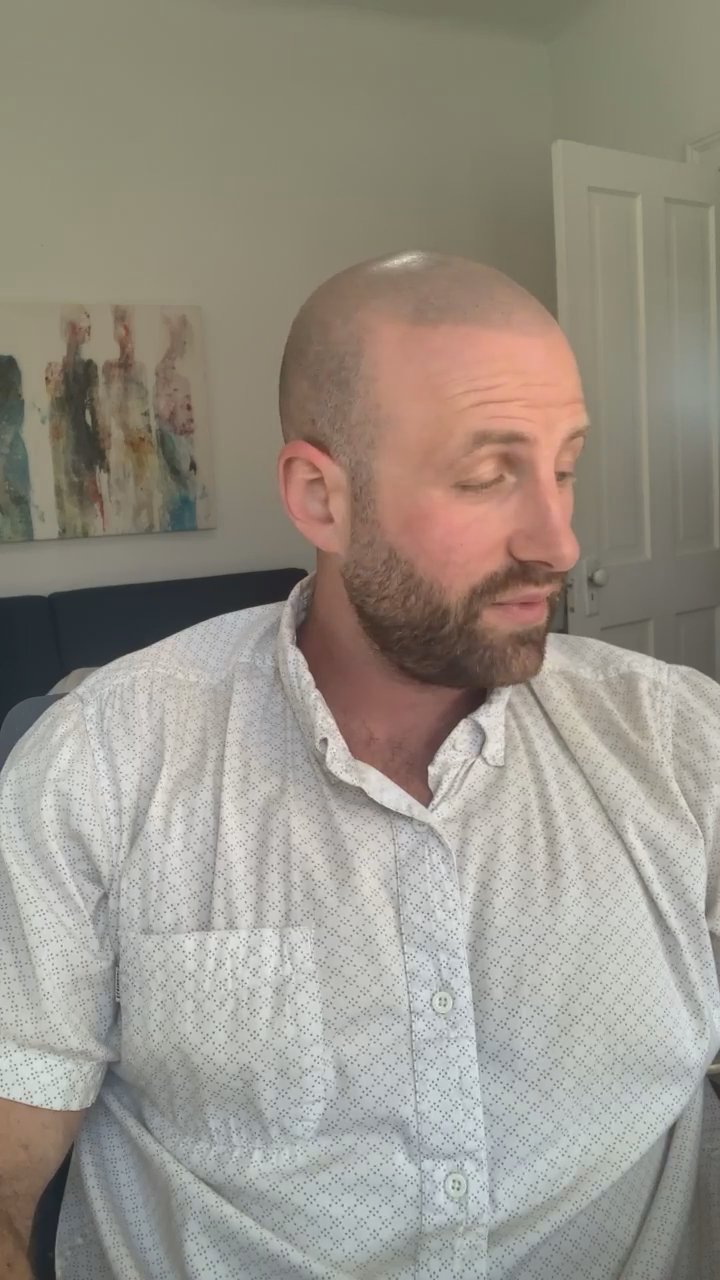
In this episode of MHM, we will be discussing a popular topic of how to deal with toxic individuals in our lives sapping our serenity. It's important to identify patters of abuse, and traits that may indicate a more clinical underpinning for example narcissism or antisocial traits. So join along to learn more about how to stay safe and serene.
Evan: We have a pretty interesting, arguably fun topic. It is dealing with toxic people, whether that's narcissism or other personality disorders. Hopefully we get some folks pour in on it and we can share questions.
When dealing with someone who's toxic, rule number one is remain calm. Often someone who is toxic feeds into that. Even if it maybe the person isn't toxic, this is important as well. If someone is overly activated and if you calm yourself, the other individual do the same.
When you are calm, you also want to be a matter of matter of fact with them. Instead of going into long emotional explanations, just very short, very simple. With toxic folks, you gotta be a little careful.
Do not get drawn into back and forths. They often feed on that drama. How do you know when to walk away from the situation? You just got to make sure you're safe.
Just knowing, understanding your rights before you start setting any boundaries. Often individuals doing these overly toxic behaviors, often they're like, crossing legal lines. So then setting clear, enforceable boundaries.
Make sure you have a backup plan for your exit. Play nice until you're ready. Don't trigger an ego response. And don't be manipulative in general.
We talked about that and staying calm and then trust yourself. That's the biggest one. Positive reinforcement is really important. Going through that separation process of that relationship, whatever that relationship is. So it's almost like fuel to get out and do the healthy thing.
What's up, Cadre fams? Is Evan here, your resident mental health and addiction therapist? We have another live, another episode of mental health matters. I have a pretty interesting, arguably fun topic. Just a lot of people have a lot of interest in this topic, and that is dealing with toxic people, whether that's narcissism, other personality disorders, just generally difficult people to work with. You know, that can be offensive, that could be manipulative. Right? All those different things we may associate with toxicity.
So let's see. Hopefully the beacon has gone out to folks. It shows them live. So hopefully we get some folks pour in on it and we can share questions, or you could share questions and your experience on this and go from there. So let's see, how many tips do I have? Basically 1234-5678 910. So these like twelve. So this is my twelve tips for dealing with toxic. So I'm going to go ahead and go through each. Hopefully we have some people come in. So when dealing with someone who's toxic, rule number one is remain calm.
Now, this is really important because often someone who is toxic feeds into that. They feed into the drama. They. And even if it maybe the person isn't toxic, this is important as well, to remain calm. Like, let's say somebody who is emotionally dysregulated, right? If they're, like, super angry at you or, you know, it could even be someone who, like, needs support, it could even be a friend. But remaining calm is extremely important because the individual mirrors you. So often. If someone is overly activated and if you calm yourself, the other individual do the same.
All right, we got r stigma joining. What's up? Our stigma. We were talking about dealing with toxic people and some of my pieces of advice about twelve. So, number two, when you are calm, you also want to be a matter of matter of fact with them. So you don't want to. So we want to keep it simple, you know, for example, instead of going into long emotional explanations, just very short, very simple, you know, like, I'm sorry, I cannot do x. Sorry. I'm going to have to step away from this conversation until we can emotionally calm and have a more productive one.
Sorry. You know, so this is kind of going to be part of setting boundaries. You know, it could even be explaining, let's say, at work, you're like, you could say something like, yes, I filled out the report and I sent it in on Tuesday. Instead of going into these long, like, upset, like, what are you talking about? I sent that in Tuesday. How can you say something, you know, in, like, getting into these back and forths like that. No is a complete sentence. Yeah, I mean, yeah, that's true. I think with, sometimes with toxic folks, you gotta be a little careful.
Like, if we're talking, like, at the highest levels of being, I don't know, I'll talk about this in a little bit of being overly aggressive because you want to. In maintaining that calm demeanor, you also do, in some cases, you want to retain your dignity and to still be kind within it as well. Um, you know, so being like, you know, I'm sorry, that's not something I can do. Like, you know, and you could give, like, a reason, but often if that reason is not well accepted, then you could go into, I gave you my reason, and then be like, the answer is no, I apologize.
I'm walking away now. So kind of going through a series of those to not, like, further, to try not to further escalate them, because a lot of these cases, like, we're not dealing with, like, normal situations in normal people. So I'm talking, like, at the top levels of toxic here. So the next piece of advice, do not get drawn into back and forths. That is probably the worst thing. They often feed on that drama. That's how they can throw you off balance. So, like, if you're getting into text exchanges of, you did this well, no, no, no.
So these kind of quick back and forths and so kind of part of that advice is slowing the communication. So, like, let's say instead of responding right, when they send you some kind of toxic thing, if you can wait, wait an hour, wait a day, sometimes that could be triggering for the individual, but sometimes if you just give them just enough that they feel like you're not ignoring them, that at least slows the communication down. How do you know when to walk away from the situation? That's a really good question.
So when it starts to get escalated, like, really escalated, there's nothing productive. And, like, some of these rules apply just for, like, communication in general and dealing with difficult situations. When we talk to, like, narcissism levels sometimes here, like, we're actually going to do things that you probably should not do in, like, regular difficult situations. Because, you know, there's a rule that I'm going to talk about here where in some ways you're being, let's say, not manipulative, but very tactful in the communication you're doing.
And you're actually maybe doing some things that are disingenuous or maybe not even with your normal boundaries, but there is a reason why you're doing that and a greater purpose that we'll talk about, which is getting out, resolving the issue, whatever. So, so when to walk away is like, if you feel like your safety is at risk, if it's getting too escalated, you know, if you're. If there's too much of that back and forth, it's okay to walk away. You just got to make sure you're safe. And, you know, like, let's say it's with, like a boss or it's with a toxic partner or whatever.
So you just have to feel the situation out and just make sure you're safe. And it may escalate it a little bit. Will they get upset that you're walking away? And that's often okay because the alternative is just playing in and giving them what they want in this dramatic back and forth. However, over time, when you do this and you don't feed in, it's like a behavioral method of extinction. And then actually over time, they will be less likely if you're not giving them the reinforcement for doing so.
Yeah, for sure. I mean, the safe part. So this is stuff I talk about, you know, when I have friends or clients going through, like, really bad divorces and abusive situations. So a lot of this stuff applies as well. So toward the end, I'm going to talk about that as well. So kind of these last ones are so we kind of put these, like, together in a way. So, like, one is like knowing your rights. So as you get drawn into these situations, so often, like, let's say a work situation you find yourself in that's really toxic and has a lot of high consequences, you know, for your job, whether it's, you know, the relationship.
If you'd say you're in a marriage where there's a power imbalance, it's important to know your rights. So what would happen if you did walk away? What would be some of the consequences for that individual? Because often individuals doing these overly toxic behaviors, often they're like, crossing legal lines. And there's another rule here. I'm going to put this down. I'll talk about that in a sec. So just knowing, understanding your rights before you start setting any boundaries, which we'll talk about.
So whether that's like employment law or divorce law or maybe your work dynamics of, like, let's say it's a co worker and they're trying to, like, get you to do work that you're not supposed to do, or they try to, like, act like your boss or something. Like that. So, like, understanding the rules of the situation before you go in and start setting boundaries. But it's important to do that because the last thing you want is just reacting, just reacting to them, because often they know how to play on your weaknesses, and maybe even weaknesses isn't the best, but maybe some of your vulnerabilities, whether that's your emotional vulnerabilities, etcetera, and that helps draw into that situation where you could be more easily manipulated.
So knowing your rights. So then setting clear, enforceable boundaries. Right. So it could be like, let's say someone sexually harasses you in the workplace, probably want to just go and report that. But maybe having that first conversation, this is just an example of saying, hey, these things are making me uncomfortable. If it impinges on my rights as an employee for this, I'm gonna ask that you don't do this again. If they do it again, you say, okay, well, if so, then I'm gonna be reporting this and then just get out of it.
Now. Again, maybe you just wanna report something like that, but that's just an example. Yeah. So, you know, or whether that's something legal being like, hey, this is violating this, right, this statute, therefore, this dynamic needs to change, or you need to cease doing this, this or this, otherwise I am going to do this. You don't want to be like, threatening, but it's just setting a boundary, which in some ways is just like less of a threat and more of like, if you do this, I do this. Yeah, that's great.
Yeah. So documentation is really important too. Yeah, that's a really good point as well. And part of that too is, and that actually feeds right into this part, which is prepare for your exit. So whether that's work wise. So the friend going through all these different situations, she just took a big hit this year with like, a toxic abusive partner, leaving him actually, because of this whole situation, getting fired from her job, actually illegally. And so there's a lot of times she's had to, like, set these boundaries.
However, in this case, it's not even boundaries. It's like, so for example, I have one client and it's actually Mal who's in an abusive relationship. And we've had to have that conversation about, you know, if you had to leave, what would that look like? Because, you know, if you do, your partner is going to do everything they can to hurt you. So whether that is documentation, but I'm like, also saving money. So making sure you have that backup plan, whether that's leaving your job, leaving the relationship, having a cushion.
So when you make your exit, instead of just saying, I quit or we're getting divorced, I'm leaving. Making sure that you have everything in place, and that can mean stay, unfortunately, staying in this situation for longer than you would like. I mean, you're probably in the situation longer and it gets dragged out, but you may need to have this period of like, okay, I know I'm gonna leave, but I can't do it now, so I'm just gonna bide my time while I'm taking action to leave. And so, which is, this is one of my favorite ones, so play nice until you're ready.
Right. So in a normal situation, I wouldn't say that because you're like, don't people please and don't be disingenuous or just do things for other people. In this situation, there is a greater purpose behind it, which is to get the h*** out and maybe hold that. And it could be holding that person accountable as well. While you're gathering legal evidence, you don't want to, like, dangle yourself out as bait too much, and you want to be careful about doing things like that, but sometimes things like that may be necessary.
Just don't put yourself in too much risk or in harm's way. And that's the important part of planning your exit and also playing nice, playing dumb, playing into their ego. So that's a big one as these individuals have very big, fragile, sensitive egos. So maybe out of anger, you may say some things to them that, you know, hit them where it counts. And that's. And that's really what you say. So there's some peace in that, especially when you have a confidential space with a support group. Yes, for sure.
And, you know, maybe you can get a little satisfaction out that you're kind of getting the best of them in the end. Okay, yeah, sure. Right. And then it pacifies them. Or, like, for example, if you're in a situation with, like, a toxic spouse and they're an alcoholic and they're physically abusive, just kind of being like, okay, yep, I'll have the dishes done. I'll do just to protect you and the kids, just to stay safe. And then when you got that plan, you're just gone and you're ready to separate and do it in a safe way, just not only physically, but emotionally, financially safe.
I keep using these two examples because it seems to really be big ones because both have a financial component which goes into your basic needs. So it often puts your basic needs at risk and then if you're in, like, a physically abusive, it's always, almost always a partner, so. Cause like, if, say, someone's just, like, being toxic, like, you know, at your son's, you know, baseball week, or, you know, you can just, like, walk away and you don't have to, like, deal with that person or, you know, you could distance yourself or you don't have to engage with them.
But, you know, when it comes to being locked in a marriage, when it comes to a business partner, and business partnership's a big one, too, but also, like, an employer employment situation. So play nice so you're ready. Don't hit them in the ego. Don't disrupt. What's the word I'm looking for? But, yeah, don't trigger an ego response. And then also you can kind of lather them up a bit. And I just kind of protect their ego and maybe feed into it a little bit, you know. Again, is it a little manipulative?
Yeah, but we don't want to be manipulative in general, right. That usually in the long run does not serve us, and it comes back to bite us. And however I say, when somebody violates your rights to that point where they're using financial abuse, emotional abuse, physical abuse. Oh, yeah, for sure. It is often rage. And that's probably like a person is at their most dangerous when their ego is where they feel like the other ego is. Has taken a hit, drink a little more coffee to think of better ways of describing this.
But you know what I mean? Your ego is bruised, injured. There we go. Injury of the ego. Yes, it is often rage, and that's when you're at your most dangerous. You got to do that. You got to do things that are disingenuous to you, to that person. But again, when that person violates your rights to that point, essentially, they're taking things to a level where they're taking the gloves off and they're willing to hurt you. You, then you have to take things to the next level as well. But you don't want to do it in such a way where you're, like, fighting, you're doing it in a more calm, thought out manner because they may be calculating.
But here's the thing I find with individuals like this. They could be the smartest, most powerful individual, but when they have an ego this big and they're that emotionally triggered, they do dumb s***. Like my friend in the divorce, her husband is like, I don't know, probably top 2% iq. You know, I'm just guessing you know, has money, has, you know, entrepreneurship, you know, whatever, and just turns so toxic and just feeling hurt, wanting to hurt her. Doing this legal strategy some lawyers call squeeze the beep, which is like squeezing that person out, taking, moving finances, making it so difficult for them to have any legal recourse and live.
And sometimes that's actually to trap the individual, like, don't leave me. Otherwise, you know, it's gonna look like this. But if you stay, you know, I'm gonna be nice, you know, whatever, or it's just to hurt the person. So that is why we need to be safe and be mindful of their ego. They do. Don't shoot. Yeah, actually, I would almost say that's not the problem. That's maybe the solution. Because if you need to get out of it, you need to play on their dumb s***, right? So they do things that are unethical, illegal, not thought out, and that look bad.
And if you can, like you said before, do that documentation, that's kind of your way out. So, like, what happened with my friend is when she was able to kind of get back on her feet and stuff, when things actually went through the legal process, even though he was winning for that six months and squeezed her and, you know, took advantage of the fact that she was raising the kid herself and working a full time job and all that, while he's just sitting around at home playing video games, drinking and playing, plotting against her.
When it came down to the legal processes, he's gonna be screwed, even though he's that smart and whatever, because he did things out of anger that violated all of those things. So, yeah, important not to get emotionally baited, right? We talked about that and staying calm and then trust yourself. So these are more emotional, so trusting yourself, because in these situations, these individuals are really good, again, at playing on your vulnerabilities and making you doubt yourself. And that's kind of part of the tactic, because if you're doubting yourself, then you're going to do what they want, right?
Cause you think, well, maybe they're right. Maybe I am like this, maybe I am being unreasonable. Maybe I should do this, this and this. Maybe I should stay. Maybe it is my right. And so that perpetuates the cycle and feeds into them. So trust yourself and then get support. That's the biggest one. Whether that's supporting your friends, family, maybe that's temporary financial support, whether that is obviously me as a therapist to say, to get help for your mental health, you know, because you need these supportive people to continue to tell you what is true.
You don't want people to, like, juicy up, just in a disingenuous way. Oh, yeah, you're great. There's nothing wrong here, but, like, you know, people who will kind of, who will tell you the truth. And in these situations, often the truth is, you know, you know, you're doing the right thing. You're a good person still, etcetera. Like, these people in this situation, really. Or if you're in the situation, that positive reinforcement is really important. Going through that separation process of that relationship, whatever that relationship is, you really need that because otherwise people get stuck in it without it.
Right. So it's almost like fuel to get out and do the healthy thing. So that's what I got, our stigma. Thank you so much for participating. You made some really good points, things that I didn't think to put today, but yeah. So if you're still around, let me know. What's your situation? Are you, haven't seen you on here before. Where are you coming from and how do you fit in with the Cadre fam here? If not, we could always connect another time. That's a lot of fun. I kind of like this topic, even though I shy away from it sometimes because it's, it's kind of overplayed a little bit, you know?
But, yeah, maybe I'll make a Cadre video on this one, but, yeah. Well, anyway, for those here now, our stigma, maybe there are people watching and not participating, which is okay. A lot of people do that in the live. Just be a passive observer. Or if you're going back and watching this later, the replay. Appreciate it, and we'll see you next Friday. Take care. Oh, here we go. You're in St. Paul. You're a contributor pastor. Okay, cool. I'll keep an eye on you. I'll hop in your live, too. Yeah, let's definitely connect more.
I'd love to hear more. All right, take care, sir.