What is “self” and how do we find a consistent sense of identity?
A lot of times in life, we get stuck with this idea of self, who am I? What's my identity? Eric proposes an idea that your identity isn't all that important. Think about three different places in your life, as in three different scenarios.
Self identity, who you are, changes with the circumstances and environments that you find yourself in. When we hold really tightly onto a certain identity or concept of who we are, it starts to cause problems in different areas of our lives. What actions can you do to be more open with who you might be in those other environments?
What's going on? Cadre family? My name is Eric. I'm a clinical mental health counselor, and I'm here to convey acceptance and commitment therapy ideas that may have a very big impact on how your life is going and the changes you want to make in life. A lot of times in life, we get stuck with this idea of self, who am I? What's my identity? It's a hard thing to get away from. I'm here today to propose an idea that your identity isn't all that important. Pause. Think about that for a minute. Maybe you heard that and said, yes.
Finally, somebody, maybe you heard that and said, ooh, it's a little bit uncomfortable, a little bit sticky. Maybe you heard that and were curious. I don't think about my identity much, but now that you say that, wonder what that's referring to, identity. When I say that word, what comes to mind? What things about who you are, who you want to be, who you want others to see on the other side, who you don't want to be, who you tell yourself you're not, what you want to hide from the world. These things are equally relevant when we talk about identity, and they can get pretty confusing.
One of the biggest things I hear feedback from with a population I spend a lot of time with is how do I know who I am or who I'm supposed to be? Right? And if our focus is on that idea of I'm supposed to know who I am or who I'm supposed to be, and every circumstances and environment, we're setting ourselves up to be confused, disappointed, frustrated. I want to take a minute, and I want you to think about three different places in your life, as in three different scenarios. Environments, things that you find.
There's places you find yourself in. So, so for me, I'm going to say at home with my family, at work, with my peers, and out in the woods with my friends, running, to be specific, trail running. So those are three environments I find myself in. Now, let's say just for the sake of this example, I'm really stuck on this idea that I'm the best. I need to be the best. That's my identity, is I outperform others. And so in that environment at work, okay, yeah, maybe that's a good motivator, right? Like, I see myself as somebody who's capable of outperforming my peers, and I get rewarded for that.
And so it feels good. It feels something like, something I like to have around. It gets reinforced in that environment. And that environment is really important to me. So I'm gonna grab that thing, and I'm gonna take it with me. I'm gonna go home. Now, I've made this conscious, cognitive idea that my identity is kind of the best. Other people don't quite have the insight knowledge that I do, because in this one particular circumstance, that's true. And so I go home, and I carry that same set of assumptions about who I am and who others are, but in a completely different environment.
And now, all of a sudden, I'm holding on to this idea over here and resisting the opposite of it. I'm the best, and I don't want people to see me as the worst. Can you see how that might cause some issues in the household? Let's bring it out to the woods and the trails. Everyone's out to have a fun run, and my mind's stuck on my identity. I have value, I have purpose only when I'm the best. So rather than slowing down, sticking with the group, I'm gonna run 30 miles ahead of everyone, because it's important that they know my identity, who I am is the best.
All of a sudden, that's getting in the way of my relationships with others. Self identity, who you are, changes with the circumstances and environments that you find yourself in. In acceptance and commitment therapy, this is called self as context identity, wrapped up in the different circumstances and contexts we find ourselves in. And when we hold really tightly onto a certain identity or concept, self concept of who we are, it starts to cause problems in different areas of our lives. And maybe it works over here, but we drag it along with us in these other areas of our life, and all of a sudden, we're having disruptions.
And it's because we're not willing to loosely hold these things as the circumstances of our lives change. So I encourage you here to think about those three places. What are three places that you thought about today? And as you think about, I want you, one by one, to acknowledge, okay, what are the things, right, closing your eyes. What are the things that I act like or say or do in this environment? What are the identities that I really hold tightly onto? Who do I want other people to see here?
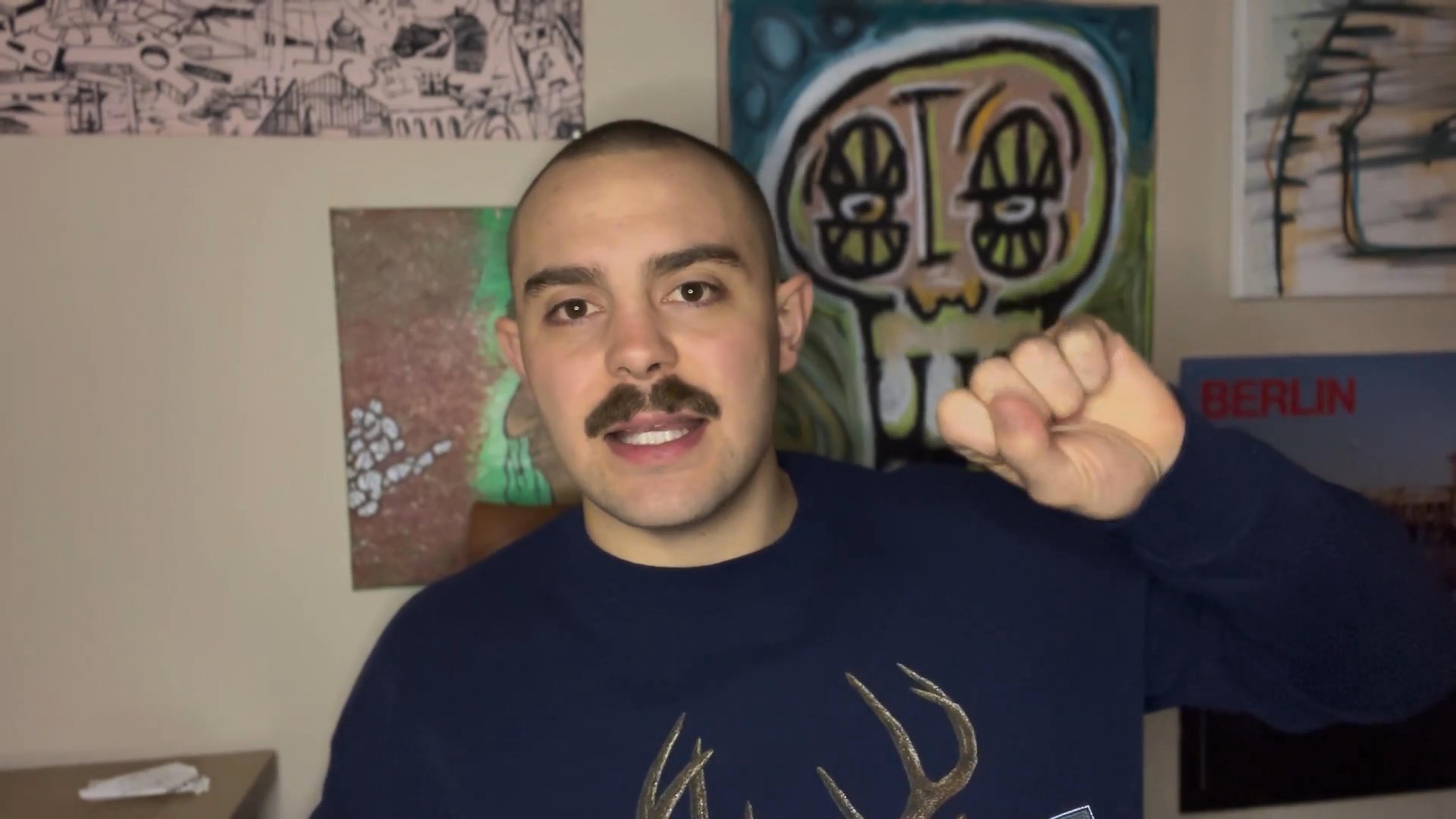
What does that person act like? And then with a clenched fist, pretend like in the middle of that clinch fist is that person, that identity? And I want you to say, I'm willing to let go and hold it lightly because that is not me. And loosen your hands around it. I want you to do the same thing with those three environments or any other places you find relevant. And once you do that exercise, kind of giving yourself 510 minutes to do it. I want you to think about how those identities maybe you've attached yourself to have become disruptive in other areas of your life.
And what actions can you do to maybe change course, to be more open with who you might be in those other environments? It's good to see you all. Take care and look forward to seeing you next time. Bye.