It seems to be a different path these days for young people starting out in recovery.
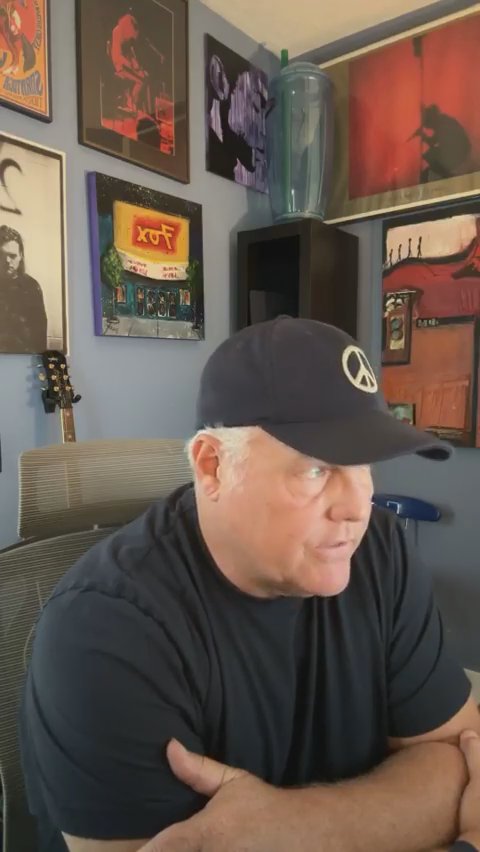
Chris Edrington: How to engage the younger people in recovery. Edrington has been doing this for about 20 years in the sober living level. He recommends a couple of things for younger people that might help get you there.
And all we're doing in this recovery business is trying to create likelihood. We're trying to raise the likelihood that you're going to stay sober. All we're looking for, man, is a clean shot. And I don't give up on people.
Hey, guys. Chris Edrington here with Cadre. Sober living, early recovery, all things recovery resident, Minnesota expert. I have a really great, a good one today because it's a difficult one. It's about how to engage the younger people in recovery. And I've been doing this for about 20 years in the sober living level, for some of you don't know, after treatment, social model, supportive community recovery, not clinical recovery. That happens in treatment at the acute care phase. So the way that I like to put this is for many years, my clients were over 25 years old, by and large, not all, but most.
And they knew they weren't having a life. They had friends, brothers, sisters that had lives that had paychecks and jobs and trips and opportunities and relationships, or maybe they had some of that themselves before they fell into full blown addiction. And you could appeal to them on a level where you could say, hey, don't you want to get that back? Don't you want to be one of your life? Don't you get pressure from people in your life to go back and engage and be part of the family and the friends and the activities?
And that was at least one way to appeal to somebody to say, to really set the context of getting sober is about that. Like, let's go get a life, as opposed to let's just not use. And that wasn't everything, but it was a good way to start. And I noticed people coming back to my program, you know, when they would relapse and fall back into active addiction or using or drinking or whatever for extended period of time and come back and say, you know, I had friends, I had things to do, I was invited to stuff.
I felt part of something, and I want that back for the really young people that I'm dealing with today. Some, some of them, not all the 17 year olds, 18 year olds, some 19 year olds, even, you know, up to 22, whatever. I don't think the number really matters, that you could call it. I really hate this failure to launch term you hear in the industry a lot. I think it's mean and derogatory and sort of s*****, although it's somewhat applicable because it's what it looks like. So the young people that I'm dealing with today, you know, they don't, they spend a lot of time on screens.
They spend a lot of time alone. A lot of their universe is virtual. It's the reality of it. And the medicine and recovery is human connection. And so you're missing it. They're missing some of that. And that's not a blanket statement for everything. There are other ways. There are some people that are young in recovery and they're doing well, they're engaging. But I think what I'd like to, for the purposes of this video is to recommend a couple of things for the younger people that might help get you there.
So the modeling that most people do when you get around in early recovery and you meet other people that are ahead of you and similar, and you see, you see there's an example of what you want in your life and you can use it as a model and you can try to recognize that and try to pursue that. That's still valid. We still have to do that. We just have to do it in different ways with the younger people and getting them engaged a little bit differently, I think. So one of those ideas, I think, is to support young people in the other things they want to do.
Like, I think it's also an old, traditional sort of approach for families to not fund activities for their loved ones who are addicts. Like, I'm not paying for school anymore. I'm not paying for your car, I'm not paying for guitar lessons. I want you to go focus on recovery. And they strip out all of the sort of fun stuff you want to do because, well, I don't know, you don't deserve it or, you know, we got to focus the money on your recovery. And I think that that's a mistake with young people especially.
I think if you do support the things that they really want to do, like whether it's guitar lessons or welding or, you know, I want to be an actor or I want to do this, I think if you support those things, and that's usually financially and sort of, you know, emotionally supportive, you give them more opportunities to connect to people who are living a stable, healthy life, whether it's in the recovery community or not. And so we need the engagement, and we need to buy some more engagement through supporting things that we may not have otherwise thought was appropriate.
Right. I think that's a big one. I think that the also the support and help and underwrite, so to speak, the life administration stuff, right? Like driver's licenses and Social Security cards and insurance and car insurance and getting finished with school, getting a resume done. When most people and almost everyone in early recovery that I talk to that I recommend, I recommend that they do three main important things. One is explore the sober community through AA or some other twelve step program or some other group program, which is difficult to put together the numbers other than Aana, where that's where most of the people are, the outpatient or clinical services if you're new and you need them, and therapy.
And that includes the meds. So those things have to be addressed in everybody in people in early recovery. I think we just go a little bit further. Right. Like in, in one of my current programs, we order the meds, we do transportation to the grocery store, we do transportation to outpatient. You've got to support young people in, you might call it handholding or life skills. And I think that you're not teaching, you know, money is a big one. You're not teaching a 19 year old how to budget. But there are ways of restricting the cash in their pockets.
So if you take somebody early in recovery and you say, well, I've got to do a little extra stuff, I got to do a little extra hand holding with time management, money, meds, job hunting, general sort of what's in your way today. What's a problem for you? Well, I left all my stuff over there. I don't have my license. I have an old car and I never paid for it. It's an impound or I've got a pending legal case that's really minor and I just blew it off and I haven't finished or shown up for that. Get all of that stuff out of young people's way and help them administrate their lives and give them the space to go focus on people and the sober community and engagement.
The outpatients these days are so full of young people that it's just another great way to meet a bunch of other young people in recovery. Yes, you'll meet some people who aren't serious as well. But that's okay. You got to meet people. That's a risk you got to take because the a and young people is a tough go sometimes it's a tough mix. It's hard to get them to engage. But I think over time if you take some, if you can find, and I do this, take some of the young, the young people that we've have in our alumni that are, that are, that it got sober really young, that got sober at 17 1819.
If you can bring them around, the new people who are now 1718 and 19 and just bring them over to the house or connect them somehow and say, hey, go to coffee, tell your story. That's really powerful. It's really powerful for someone who's 18 to meet somebody who's 22 and four years sober. That's super powerful. The problem is it's hard to get the 18 year old to raise their hand at aa and say, hey, I'm 18. Is there any 22 year olds I can meet that I can model after? It doesn't really work like that.
You have to try to show them that there's value in that somehow. That's the difficult part. The last thing I would say is, if there are other behavioral health issues, let's say there's eating disorders, there's trauma, there's cutting, there's acting out in different ways. We at St. Paul's sober living and in my history and the way that I treat people in early recovery is that doesn't exclude you from sober living. The sober living environment could be a very supportive environment for you to live in.
And maybe your current biggest issue isn't chemical dependency. Maybe it's an eating disorder or something else. Well, can you stay living in that house with those supportive people while you treat that? We often have people going to eating disorder treatment instead of chemical dependency treatment during the time they're in the house. And that's finite time. You know, those, those programs run out after a few months and then they go back to the other one. So it's really, I think, a comprehensive approach to young people in recovery is we have to support them in more and different areas that you might think was enabling for the older addicts.
And I think that's a simple way of saying this because there's a lot of in between the, you know, read between the lines here stuff, and we could get into a lot of detail. But that's, I think what makes it more likely that young people are going to stay sober. And all we're doing in this recovery business is trying to create likelihood. We're trying to raise the likelihood that you're going to stay sober. It's more likely you're going to stay sober if you live here. It's more likely you're going to stay sober if you don't go back to that part of town.
It's more likely if you do this. It's less likely if you do that. We live in this world of likelihood in the early months of recovery, and a lot of these things increase the likelihood. They just give you a better shot. And all we're looking for, man, is a clean shot. You know, in early recovery, it's. It's really scary and it's really difficult. And it doesn't matter if you're 18 and your whole using career is 15 months long and you scared the crap out of your parents because they think you're going to overdose on fentanyl or if you're 61 years old and you've been drinking in your closet or your living room or your bathroom for the last 30 years, the recovery part of it, the perspective change that has to happen in early recovery or at some point in your recovery, we all come to that place, very, very similar place.
We all end up in a couple of very, very similar places. We just come in at different angles when we come in at different times and different places and young people, it's a. It's an interesting struggle these days. And I think to just call them all failure to launch and that they don't want to do anything and they just stare at their phones all day. I think that's given up, and I don't give up on people, so. And I have a long history of alumni who would, who would tell you that we just don't give up on people.
So, Cadre, sign in. Sign up. Lots of very incredible people out. Lots of really incredible people who have lived experience like mine, who are not just telling you to, you know, do three push ups and you're going to look like the model on the COVID of the magazine. Take it easy.