The ins and outs of sober coaching. Efficacy and how to know if you have a good one.
Chris: If you're new in recovery, it's an absolute no brainer that you should get a sober coach. Consistency is important in recovery. What matters is what is going to create the most likelihood that you're going to stay sober.
The social events surrounding AA in the sober community are just as valuable as a meeting. This is about living a life sober. The more you can expose yourself to people living a real life in recovery, the less punitive and scary getting sober seems.
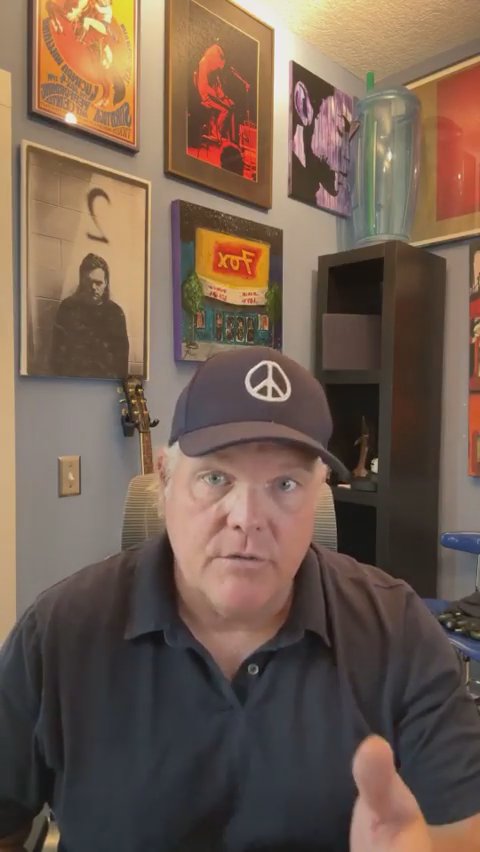
Hey, guys. Chris here from Cadre. All around expert in sober living and early recovery, and pretty much all things recovery and expert in nothing else. So gotta go with what you're good at. So today, what I thought I would bring up is this sober coaching thing. It's kind of new to some people. It's kind of been around for a minute for a lot of us. Peer recovery support specialist, sober coach, same thing. There's a really good way to look at this, but I think what matters the most is that if you're new in recovery, especially if it's your first time starting off in a sober life, this is a huge win.
It's an absolute no brainer that you should get a sober coach. What you get is a cheerleader. You get an experienced cheerleader, someone who's been around the corner before you have ever been around the corner, and they came back around to tell you, hey, it's pretty good around the corner, and you should come with me. You should come with me. It's going to be fine. Now, there's a whole bunch of pieces to that. It's not the same as a sponsor in AA. It's not somebody who's a licensed clinician who you know you're going to bill your insurance for, although who cares who pays the bill?
There's some play there recently, and I think it's a good thing that some funding mechanisms are paying for that in some situations, whether it's in treatment or outside of treatment, I think really what matters here is you could use all the help you could get. I mean, so why not do it? So, I just was searching for sober coach in Sioux City, Iowa, for a client, and I. And I was struggling to find somebody. I did eventually find one. They're everywhere now. So let's just break it down into the most important parts of that.
When you're beginning your new sober life in the whether you're living at home, whether you have ten kids, where you live in a sober house, whether you own three businesses, none of that matters. What matters is what is going to create the most likelihood that you're going to stay sober. What is the landscape, the structure, the routine that is going to raise the likelihood. Right. So it's more likely that you stay sober. Those primary things have to do with how much you engage in the sober community, how much you prioritize your recovery over other things, like you work somewhere that's easy and simple.
And a lot of people refer to it as the sort of dumb sober job. When you first get a job that's not too complicated, that doesn't give you a lot of stress that, you know, probably isn't a bartender. All kinds of things like that, right? Like what kind of job to take. What am I doing at meetings? How do I participate? What? I don't like these meetings. There's a million of them. Go to, go to. Go to a whole bunch of them. But go to them at least three or four times before you decide if you like it or not.
I think one of the most effective things about AA is that if you go to the same meetings over and over again, you feel more comfortable every time, and that's incredibly valuable. You also become safer to the new people. They see you regularly, you're a little bit less scary and more familiar, and they might tap you on the shoulder, vice versa. That's incredibly powerful dynamic that I don't think a lot of people understand. But that's just the way humans work, right? You see the same people over and over again.
They become somewhat safe. Right? Consistency is important in recovery. So are you going to be on a certain kind of medication? Not really necessarily the sober coach's domain, although they might give you their experience with what they did with their medications or what they took or didn't take. You're definitely going to hear a lot of opinions because they're humans and humans have tons of those. And you're going to hear people's opinions about AA and about recovery and about whether you should do this or whether you should do that.
But the real crux of the sober coach thread, or I guess the purpose is having a supportive person who has experience in early recovery, who has been through these things in early recovery, done these things, they're going to advise you to do. They're not necessarily there to advise your opinions or your perspective. They're really there to say, I think you could try this, you could try that. You could do this. I did that. That didn't work. I did this. That worked really well. That's incredibly helpful.
Think about it. If you were trying to do anything else, like if you went to Greece and you wanted to learn Greek and you got some greek person who spoke English and Greek and they walked around with you and hung out with you and taught you all this stuff, I mean, the reality of it is it's incredibly effective and helpful. And it's not to be confused with sponsorship in AA or confused with a chemical dependency counselor. Who cares anyway? It's just help. There's. These arguments are a waste of time.
I think that what you need to understand is that the. The things they do, advise or recommend that you do, you should do them. You should go to the meetings, you should go to the outpatient, you should go to the therapy, you should go to the barbecues. The social events surrounding AA in the sober community, the socialization of all the different things that happen around alcoholics Anonymous are just as valuable as a meeting. A barbecue someone's throwing in their backyard full of sober people, is almost more valuable than any AA meeting because it brings you sense of, this is about a life.
This is about living a life sober. It's not about just not drinking. And the more you can expose yourself to people living a real life in recovery, the less sort of punitive and scary getting sober seems, right? It's like, it's not about not drinking. It's about having a life just like all your friends have, right? And maybe you're 18 and you don't have that perspective of have had. Of having had a life before using. It's a tougher climb. It's a steeper climb. But guess what? There's a bunch of 19 and 20 year olds out there, especially in St.
Paul, Minnesota, that are two, three years sober, and they're kicking the s*** out of the sober life, and they're doing amazing things and they're super happy, and they have all the stuff in their lives, and they have all the opportunities in their lives that their parents want them to have. And it's amazing. A lot of the. So a lot of the noise and the news and, you know, maybe the social media you read about or hear about is what happens to people. That's terrible in recovery, right? The overdoses and the fentanyl and the opioid crisis.
It's awful. But you know what? There's also a whole bunch of people getting well and having really big lives, and it's really important to bring that up. And any decent sober coach is going to filter that into the discussion. Like, this is about having a life, right? Let's go do the work. Let's go do the things that I suggest you do. And guess what'll happen? Your perspective will go like this, and you'll be like, wow, why didn't I do this two years ago, five years ago, last year? Whatever. Join the club.
I mean, the silver life is amazing, and a sober coach can help you get there. And why wouldn't you take it? Why wouldn't you? I would. So a little bit of advice, a little bit of understanding what maybe a sober coach does sign in sign up to Cadre, you're going to hear a lot of really incredible, insightful, lived experiences from people who are really good at this, and I think Cadre is going to be something, so pay attention, take care.