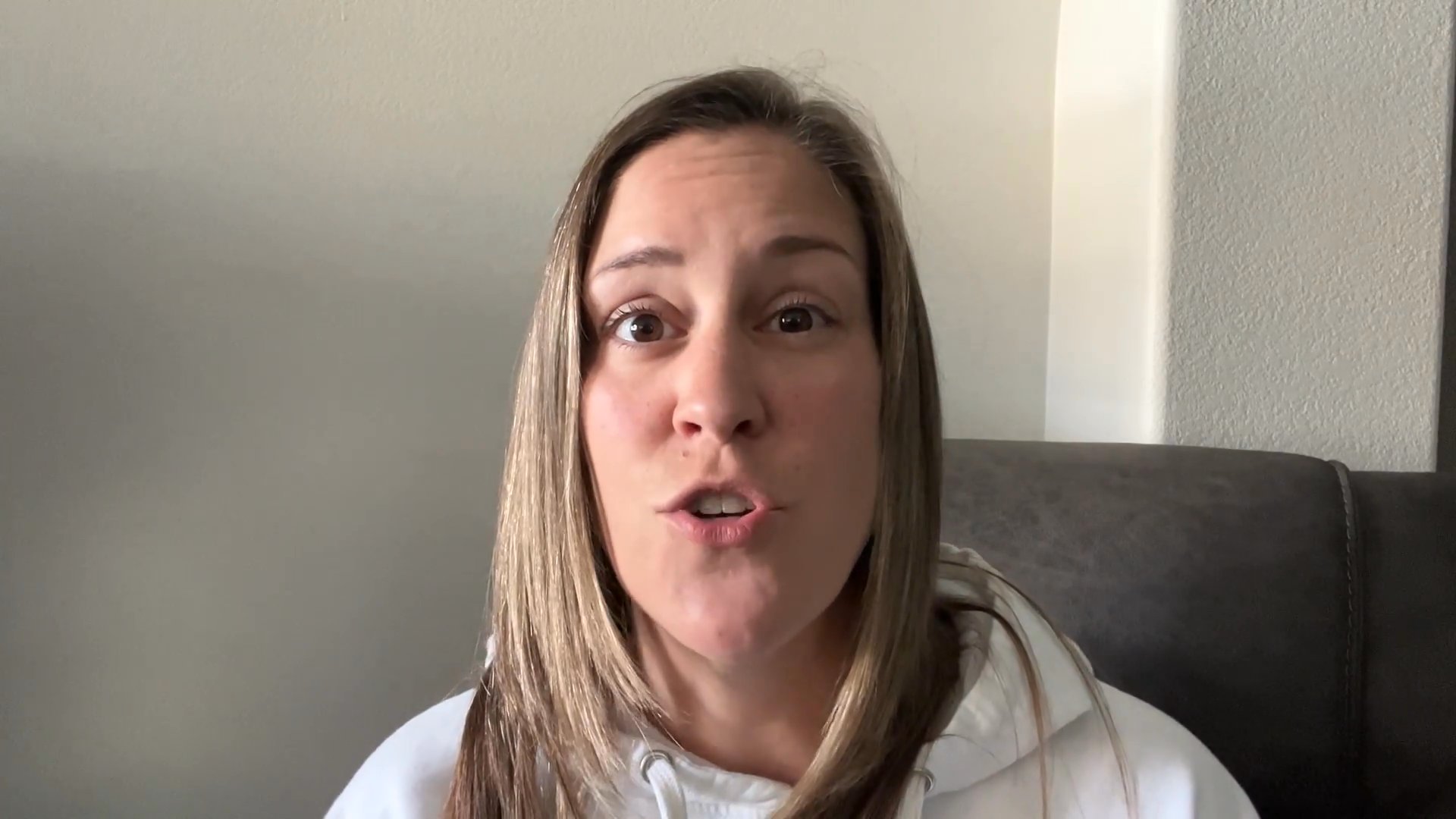
As a leader, we need to be approachable and receptive when employees want to make changes. In this video, Dr. Carrie shares an example of a solution-focused approach to soliciting feedback from employees so they feel heard and take ownership in solving problems.
As an advanced practice nurse, I had the ability to support managers in a hospital. One of the things I came to find is I would work with leaders that struggled with people pleasing. I got myself a coach in that time to become a more effective leader. Highly recommend coaching for someone in leadership.
If you're in a leadership capacity, you don't have to fix everyone's problems. You have to know how to get them the support that they need. The culture in your organization is helping them be part of the change and empowering your employees.
In one of my jobs as an advanced practice nurse, I had the ability to support managers in a hospital. And I remember my boss telling me in my first week of work, now that you're in this position, you don't manage other people, you don't manage other leaders, but it's your job to actually help develop the leaders. We have a lot of new managers at this hospital, and we are expecting you to help develop them. And I thought, this is my first leadership position. Imposter syndrome. Hello. I'm supposed to help them become better leaders.
I'm still figuring it out myself. And she's like, trust me, you've got this. You've got this. So I appreciated the confidence in that moment, but it was the most rapid growth I've ever had in a leadership capacity because I was thrown into the fire. But I had to get over that imposter syndrome in order to support the other managers. And so I would constantly be reading leadership books. I got myself a coach in that time so I could become a more effective leader. Highly recommend coaching for someone in leadership.
And I just had a tremendous amount of growth in that role, and I really appreciate the opportunity. But one of the things I came to find is I would work with leaders that didn't have, how should I say this? They really struggled with people pleasing, and a lot of people do. We want our teams to be happy. We want them to feel supported. And so a lot of times, leaders that I would see burn out would actually be ones that were kind of getting it wrong as far as supporting their team. And this one manager I worked with on a weekly basis, one of my favorite guys, and I would ask him, you know, so what are some of your struggles this week with your team?
He also had the most safety incidents in the hospital. I spent a lot of time on his floor because that was also part of my job, to oversee the safety operations of the hospital. So I was. I was on his unit a lot, but I would meet with him, and he's just like, I. I just can't seem to make them all happy. And they come to me and they have problem after problem after problem. And just the list never stops with the issues amongst the team, amongst our supplies, everything. And I said, well, walk me through your process.
How does that work? And he said, well, I have a, you know, a box outside my door that they can submit suggestion slips or I just have an open door policy. He was always in his office. He was one of those managers that just was always readily available to talk to the team. He was out wandering around the unit. He worked long hours so that he could see night shift and day shift, and he was just really present for his team. And I said, well, what do you do with those suggestions and concerns when you get them?
And he said, well, I try to figure out how to fix them and then I sometimes will, you know, have to go talk to this person or have to call supply chain, but then it just never seems to make them happy because at the end of the day, maybe I didn't, like, do the solution the right way they wanted it, so. Oh, yeah, that just definitely sounds frustrating. And I said, I wonder, though, how you can empower your team better to help them come up with solutions? And he's like, wasn't that my job as the manager to fix it for them?
And I said, what do you think, as any good coach would do, right? What do you think? And he's like, well, it would definitely help the confusion of what I'm supposed to do to fix it because, like, they probably have in their mind something that they think would work to fix this problem. And I said, exactly. So it actually takes the ownership off of you as the manager to try to find the solution and, and empowers them to also be part of the change. He also had some of the lowest unit engagement in the hospital, and every unit in the hospital has, like, a council that helps, you know, just do a little bit of the functions of the leadership.
You know, they're helping with, you know, staff morale and supplies and staffing and they get to weigh in on some decisions, right. They're kind of like a little bit of a leadership role, even though they are, you know, nurses, techs working on the floor. And so he had a very low engagement with his unit counsel as well. And I said, what if you tasked them with some of these things, too? So it's like coming from their peers and they are going to help support the change. And he's like, I'm willing to try it.
I don't know if it's going to work. So the first thing he did was he put up a piece of paper on their unit board where he had suggestions and that's what he'd been doing all along. He just, he had, you know, that was one of the places you could list suggestions. And I said, make another column, and it has to have a solution and it has to have a name next to it so that you can follow up with that person for these anonymous suggestions you're getting and ask them. So tell me more about this solution, and then you bring that to your unit counsel, and they get to work on it, not you.
You don't solve every problem. Now, obviously, as a leader, you have to decide which of these problems is within my capacity as the manager, but let your team help support their peers. And he was a little skeptical about it because he's like, I've been doing it this way for so long. Lo and behold, within a week, the culture on his unit started to turn over. People started to get excited to go read the suggestions because they could see that somebody had put some thought into it. And it wasn't just, forgive my language, a b**** board.
That's essentially what it become, right? Just like, complaints of all the things wrong. And it was, if you had to put a solution next to it, people were like, oh, man, they actually, like, care about this. And, like, that suggestion isn't just to make our jobs harder. Like, they actually, oh, I understand that solution, too. And so there started to become a buzz on the unit of the people that were suggesting things and with some of the solutions. And the unit council had a new, like, excitement to work on these projects, too.
So just one lesson I learned from leadership that I wanted to share with you guys today. If you're in a leadership capacity, you don't have to fix everyone's problems. You don't even have to know how to fix everyone's problems. You have to know how to get them the support that they need and how to empower them to also be part of that change, because that's what's going to shift. The culture in your organization is helping them be part of the change and empowering your employees. So I hope this was helpful advice for you guys today.
Thanks.