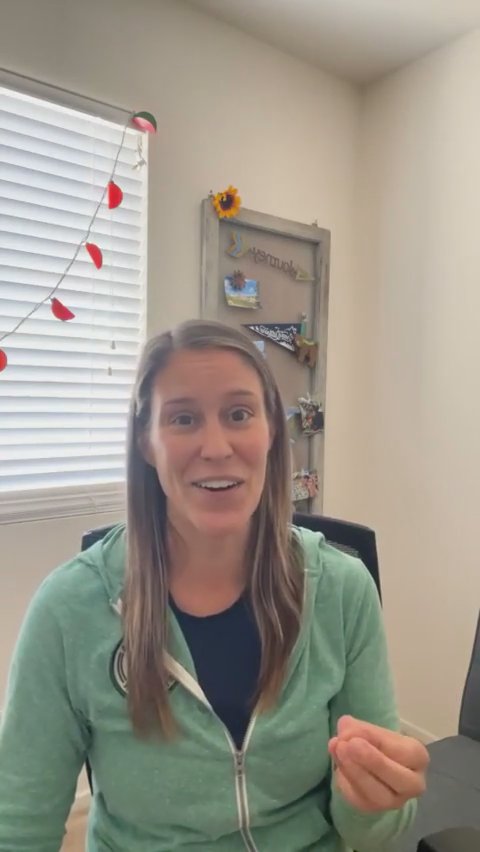
Let's get back to the basics with communication! In this livestream, Dr. Carrie will explain a concept called "the floor" and how to utilize this technique in relationships for effective, healthy communication.
Kerry: I'm gonna talk about a really basic communication tool. It's probably my number one topic that I like to dive into is relationships. And it's just so profoundly simple that I'll share it with you today.
The speaker listener technique allows the speaker to speak for themselves. No matter how skilled you are in communication, you are going to have communication breakdown. This technique is super helpful, and we've used it so much since we learned it.
Short one sentences paraphrase. Once the speaker is done, then they hand the floor over to the listener and they switch roles. Use this technique in any situation where you're allowing the other person to speak their truth and process their emotions. Practice it in situations that are not conflict inducing.
Hi, Cadre family doctor Kerry here, going live. I'm gonna talk about a really basic communication tool today, and it's gonna sound so stupid simple that you're gonna be like, I probably should have known that already because that's how I felt when I learned this. And I want to give credit where credit is due. This is not my original idea. This is from a thing called the prep educational products. And I went to this workshop with my husband and we learned this communication tool. And I read a lot about relationships.
I go to conferences. It's probably my number one topic that I like to dive into is relationships, especially healthy relationships and how to have a healthy relationship. So I'm pretty well versed on this topic, but I had not heard of it explained this way before. And it's just so profoundly simple that I'll share it with you today. Good morning, junk food junkie. Hey, Alec. Thanks for the wave, Alec. There's not a lot of water here where I'm at, so I appreciate that. For those of you who don't know, I live in the middle of nowhere in the desert, and there's literally no water here.
It's sad. Minnesota native. It's very sad to see no water. But anyway. Okay, so let's dive into this. Now, the reason you use this technique, and it's called the speaker listener technique and has this concept of the flow. The reason you use it, and I will give you a perfect example from a story that happened to me a couple nights ago. I was cooking dinner. I cook dinner every single night for my husband, which is. Let's just put this out there. Not my expertise. I have never liked to cook. I don't enjoy the process of cooking.
I don't enjoy coming up with an idea to cook. It is just not my areas of expertise nor interest. But it is one of the things that's, like, his major love language is to cook for him. So I do it every single weekday. And I am getting kind of good at cooking. Not great, but, like, kind of good. Some nights the dinner's cold, some nights, I don't know, but I'm getting better. I'm learning because it is so important to him. And so I get a little bit stressed when I cook, especially if I have two pans on the stove at the same time because I have a history of burning things really easily when I cook.
Just. Just ask my mom. I mean, there's one funny story I can share with you where I misread the package instructions on a. On frozen fish sticks and I put the oven time on the microwave and melted the plate in there. I put, like, ten minutes on the microwave. I'm just absent minded when it comes to cooking, okay? So it's just not my areas of expertise. But I'm a tad stressed when I'm cooked cooking. But I'm doing this out of, like, love and devotion for my husband. So he comes home, and I've got two pans going.
I've got the microwave going, like, I got a lot going on. And he walks in and goes, wow, babe, it smells so good. Can I make a salad to go with whatever you're making? And I flipped. I said, what? You want to make a salad? So this is a perfect example of when this technique can be used. When one person says something probably very innocent, and the other person hears something very different. Because what I heard in that moment was, you can't handle making dinner. And so there's a potential for conflict there.
Right. This is a very simple example. This could be, you know, something way bigger than just this funny story. But that's what I heard with that question he asked. And no matter how skilled you are in communication, no matter how long you've been in a relationship with someone, in a work relationship, in a marriage, you are going to have communication breakdown. It's just fundamental. I heard this woman say the other day that she and her husband rarely have to speak because they just know what the other person is thinking.
And I'm like, I bet that's true when you've been with someone for 30 years. But I bet you still also have communication breakdowns at times, because there's. There's internal triggers that come up for us when we have communication with people. And in that moment, I was a Tad triggered that he doesn't trust that I know how to make dinner, which I probably don't. So it was a legit question in the moment, but, um. Hey, Risa. Hey, mom. So, anyway, this technique is super helpful, and we've used it so much since we learned it, and it's super easy.
So it's called the speaker listener technique. And you know how, like, you're taught to use I statements when you communicate, especially when you want to share your feelings? This is along those same lines, but it's giving the person the opportunity to paraphrase what you just said. So the rules for the speaker, speak for yourself. Do not mind read. Do not make assumptions. You know? So what I said to my husband in that moment was, I'm hearing right now that you think I'm incapable of making dinner.
So I didn't say, you think I'm a horrible cook. I'm not putting that out there and saying, you think this or you believe this? I'm saying this is what I'm hearing from your question right now. So, as the speaker, you want to speak for yourself and kind of use those feeling words about, like, this is what I'm feeling right now. This is what I'm hearing right now. This is really key to keep it brief. Don't go on and on and on. Like, let's say you're telling your coworker when you come late to every single meeting that I host, it disrupts the team environment, and I feel disrespected, and you're not getting your work done, and this and this and this.
And, like, you go on and on and on. That doesn't give them an opportunity to paraphrase one statement at a time. But the person who's speaking has to pause after they say what they want to say and allow the listener to paraphrase back. So you have to stop after you give them, like, one sentence. Like, when you show up late to every meeting I host, it disrupts the team environment, and then the listener has the opportunity to paraphrase what you just said. So you're paraphrasing and you're focusing on what the person just said to you.
Do not rebut and say, you know, I have to get my kid to daycare, and it conflicts with the meeting every morning. That's just going back and forth with argument, argument and, like, accusatory nature. So, like, you keep one upping each other, and that's where, like, conflict happens in communication, because you're not giving the person the opportunity to reflect on what you just, like, what they just shared with you and also just kind of like hearing them. And we are so good at this as humans of wanting to rebut and wanting to say something back to them that we don't actually listen to what they have to say.
So if you use this technique, you have to be really mindful to, like, say, I have things I want to say back, but I'm going to stop that monologue in my head and paraphrase what they are telling me right now. So you could say, I'm hearing from you that it disrupts the flow of the meeting when I show up late. And it's really fun when you practice this because you could literally recite back almost verbatim what the speaker just said. And they can say, actually, that's not really what I meant. It's crazy, like, how clear you can get in your communication, because when my husband and I practice this at the workshop, we practiced it with topics that are not conflict inducing.
Like, when you chew gum, it makes my hair on the back of my neck stand up, is what I told him, because he makes this chomping noise when he chews gum. It's adorable, but, like, he can't help, but he has jaw problems. But, like. So you start with a topic that's not going to induce conflict when you practice this technique. And then you go back and forth and the speaker has the opportunity to correct what the listener just paraphrased. And this is where you get, like, an opportunity to really understand what the person is saying.
And oftentimes the speaker also goes, oh, that's not actually what I meant, but I can see how you heard that because that's what came out of my mouth. So you have this opportunity to clarify. Now, once the speaker is done, then they hand the floor over to the listener and they switch roles. And this is where the floor is so important because the person with the floor is the speaker, and they get to kind of control the dynamic of the conversation. But you're doing these, like, short one sentences paraphrase.
Short one sentences paraphrase to the point where they've exhausted pretty much everything they have to say and they feel heard, so they're happy to hand the floor back over to the listener to say, okay, now you tell me how you feel. So in my really silly example, I told my husband, we just cut right to the chase and I didn't pull out the card. Cause they sometimes encourage you to actually hold the card of, like, I have the floor right now. I just said, like, okay, I acknowledge my little bit of stress right now while I'm cooking.
And I said, what I just heard you say was that you're not making a complete dinner. And I said, but I know that's not what you meant because you just want to help. So I'd rather have you say, can I help? Instead of offering a specific task. So we just, like, cut to the chase because this wasn't an area of high conflict. Right. And I was able to recognize in that moment that this is what I just heard you say. But I know that's not what you actually meant. So when you have, like, a healthy relationship dynamic, you can also get to that point.
But if you're struggling with conflict or you're struggling with miscommunication frequently and it doesn't just have to be like an intimate partner relationship. It could be with a friend, it could be with a co worker, it could be with your boss. You can use this technique in any situation where you're really allowing the other person to speak their truth and process their emotions, and you're paraphrasing back and it gives them the opportunity to feel heard. And that's really the whole point of it.
And just remembering that you do have to share the floor. Like, you can't, as the speaker say, like, well, I got heard. I'm done. No, you have to then give the listener the opportunity because they might have some emotion that has come up as a result of this conversation, and it might be distressing for them to go through this and be like, I'm paraphrasing what you're feeling and what you're going through, but, like, I got my own emotions over here, so you really have to share the floor. So I would encourage you to test this in non conflict situations and in relationships maybe that are not in conflict right now.
So, like, we joked around with it, and we played around with this technique for several days after the workshop and just said, like, let's play with it. Let's practice with it. Because then it gets you in that mode of, I know as a speaker, I'm going to speak shorter sentences and allow them to process. And we. I even sometimes say that, like, do you want to play the floor? Like, I have a lot to say. I have a lot of emotions to share. And, like, let's play the floor because it'll give you an opportunity to paraphrase and then we can switch roles.
So practice it in situations that are not conflict inducing. So you get kind of this. Like, it's kind of strange. It's kind of weird at first, it's kind of goofy. But then you get to the point where you can say something like I said to my husband the other night, which was, it could have turned into a fight if, you know, like, I had been really stressed about cooking, and he just was like, oh, my gosh, what the heck just happened? Like, I just asked if I can make a dang salad and you lost it on me.
Like, that's how conflict can happen. Right? But, like, we've gotten to that point in this kind of practice that I can say that, and we don't have an underlying resentment going on, too. So just, that's my encouragement to you, is practice this. And it feels goofy at first, but it is so beneficial. And I cannot believe I didn't know this technique long ago. Like, I've heard the I versus you statements and like, not blaming and not accusing, but the paraphrasing back is so crucial to making sure that you both feel heard in a conversation.
So I hope this was helpful. I know this was a lot of information to share in one livestream, but you can replay this if you want. The technique, you can look it up. It's called the speaker listener technique. I did not come up with this. I'll give the credit where it's due. And I just hope you guys learned something from this today. I found it super helpful in relationship coaching as well. And I just thank you guys for tuning in and stay tuned. We've had already some incredible live streams this morning, but we have a couple more coming, so stay tuned for those later today and have a wonderful day.
God bless.