Medical marijuana has its purpose. Does it belong in Sober Living?
Chris Edrington is a sober living operator in St. Paul, Minnesota. Edrington: We are always looking for ways to include more people in recovery, not exclude people. He wanted to bring up the medical marijuana issue because he likes to stir it up.
Many paths, as you hear a lot, I think there's some confusion about what many paths of recovery and medical marijuana and some mat drugs, what that really means. There are different paths in terms of twelve step. There's other self help, sobriety promoting groups like smart recovery, Nara.
Is this drug prescribed to you for the disease of addiction or alcoholism? You really need to be prescribed the medication from a doctor for whatever the disorder or the ailment is. I'm not a big fan of replacing it with medical marijuana and going on down the road smoking pot every day.
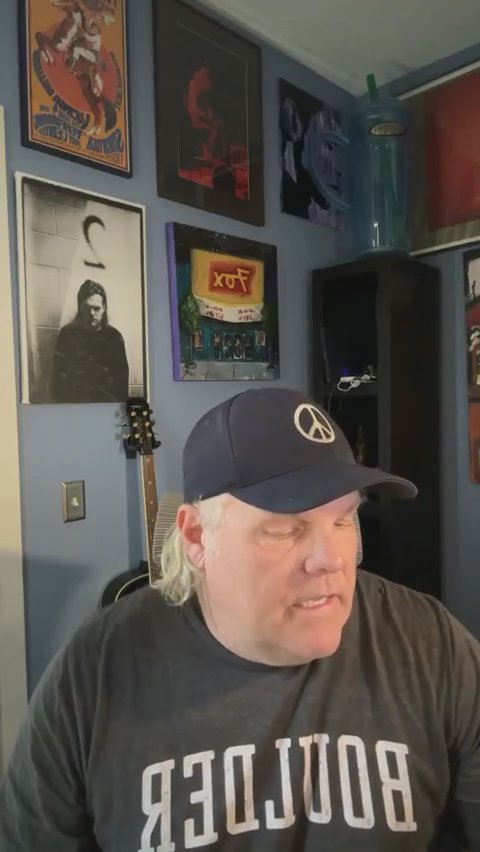
Hey guys. Chris Edrington here, St. Paul sober living operator in St. Paul, Minnesota. I've been operating sober houses for years and I wanted to bring up the medical marijuana issue because I like to stir it up. And it came up this week with a client of mine, a couple of situations with some boards, some standards boards that I'm on around organ or standards boards for sober living and holding operators to a certain standard in the state of Minnesota and the whole country. So I talked to some of my peers and some of my comrades in this business, and, you know, we are always looking for ways to include more people in recovery, not exclude people.
Many paths, as you hear a lot, I think there's some confusion about what many paths of recovery and medical marijuana and some mat drugs, what that really means. I mean, the reality of it is there are different paths in terms of twelve step. There's other. There's other self help, sobriety promoting groups like smart recovery, Nara. There's. There's different options. Naa. I actually started in NA in the very, very, very beginning. I didn't know anything about AA or Na in the first meeting I ever went to waste Na in Boulder.
God bless those guys, even though I didn't stay clean. I was speaking to this guy in North Carolina about coming to St. Paul sober, living in Minnesota, and he's on medical marijuana. He was put on it by a somewhat of a quasi respectable program in Florida. Not all the programs in Florida are bad. That's. It's sort of a cliche that's kind of over. But he didn't really need medical marijuana for his recovery. So one of the things that a lot of us in the profession think about is, do you. Is this drug, whatever you're taking, prescribed to you for the disease of addiction or alcoholism, is it something that is meant for that purpose?
You know, antidepressants and different kinds of anxiety drugs or. Or antipsychotics. I was on anything that would calm me down. When I first got off of ten years of heroin addiction, I felt like I was in full blown withdrawal for the first year, and all I wanted was to calm down. So I worked my way through a lot of different medications. But there's a big difference between being on suboxone or being on Adderall, or being on some sort of benzodiazepine, which some people really need benzos, you know, like Valium or Xanax or some other derivative.
But at the same time, what, you know, there's downsides to that, like having it in the sober house, having it in your possession. Somebody in your house takes it from your dresser drawer. And, you know, we have. We have protocols for that. We have safes in the houses and in the bedrooms, but none of that is perfect if you have a medical marijuana card, because you have something that. That really, really helps. Some condition, like, I don't know what those are. I'm not a professional in that world, but I know that you don't need to smoke it for most of them.
And if you don't need to smoke it and you can take it in a pill form, then your roommates in your house may never know you even take it, which is a good thing, because early sobriety for a lot of people is super messy and super crazy, and people are anxious and they're uncomfortable, and they don't know what they want to do. And they're. They're looking for comfort, they're looking for distraction, and they could get confused or think that there's something there for them and decide to take these pills or these drugs, and it really isn't actually serving the purpose.
It'll make you feel different. It might make you feel less anxious, but you really need to be prescribed the medication from a doctor for whatever the disorder or the ailment is that you actually have. There are, unfortunately, a bunch of people in some of the recovery business now who are getting a result of people not using opioids by giving them THC. And it's replacing it. There's an upside. It's not huge upside of not using opioids, but I'm not a big fan of the concept. I like the idea of removing the opioids for as long as you can, because distance from that is really beneficial.
But I'm not a big fan of just replacing it with medical marijuana and going on down the road smoking pot every day. It doesn't work. The other thing is that it could exclude you from a lot of options. There are very few sober livings that are going to take people with marijuana in their possession, of smoking marijuana in the house. You've basically cut yourself down by 90% of the options. So you should ask yourself if you really need it. That's what I'm getting at, and I'm not trying to judge people who need it.
I'm not trying to put out some sort of message that, you know, this mat, that mat is bad. And I'm going to explain it in a way through the way that we decided to treat Suboxone when it came roaring into our town and in our world. About, I don't know, 12, 12, 15 years ago. The message was, it saves lives. There's truth in that. There's absolute truth in that. And there are parents who know nothing about recovery who wanted it because it decreased the danger period, and they weren't coming off of it because it made them feel safer about their kids or their loved ones.
And that's real stuff that you can't just shove that aside because that's a real thing. So the amount of suboxone that people are prescribed is an issue. If you're going through early recovery, the right amount of suboxone because it has a little bit of the opioid in it and the blocker, to the extent that it makes you not go into withdrawals or feel kind of. I don't know. I used to use the term covered like, I feel covered because I have this pill, Xanax and Valium and lots of other things will do the same thing.
What I like about Suboxone is it gets people off the street and into help, right? Like, if I'm trying to drag you from the streets, from the city, from way the h*** out in the middle of nowhere or in some hellhole town, and I'm trying to get you physically to get up, go and do whatever you need to do to go to treatment, which could take several days, you got to go to detox, you got to do a few things. You got to go to the hospital. You. Not a lot of times can you just go straight to the door? I need to buy some time with you.
And Suboxone really has served me in that. In that perspective several times. I give it, get it, somebody can take it, and they feel well enough to where I can get them to move, right? So they're not in full blown withdrawal, because I don't know, if you ever try to talk to someone who's in full blown opioid withdrawal, you're not really talking to a person. You're talking to an idea of a person that is incredibly uncomfortable and uncooperative. So when it comes to the different mats, we can all agree or disagree on the effectiveness of those.
The government and the powers that be see it in a way, essentially, that if the drug is prescribed to help your alcoholism or addiction, you can have it. You can take it. And that's what most of the medical community believes when you get into sober living, where it's really a concentrated version of social model, social support in early recovery, all these other elements come in right where there's people who've had bad experiences with those drugs, or they tried that before and it got them drunk, and you've got to live with people because that's the medicine.
And you hear me in these videos say you need people in early recovery. So my recommendation is don't do anything that excludes you from them. If you can't get into a sober house because you have a medical marijuana card and you're going to test positive for THC, do you really need to be on that? On that marijuana? Does your sobriety contingent? I mean, is it just, are you desperately in need of it or you can't function? I would doubt that. And I think that when you look at these options, they kind of seem like the easier path to early recovery is to take some of these medications again.
Some people really, really need them and there's efficacy there. But what I'm trying to make a point of this video is when you enter into the, let's just say the 6th and 7th month or third or fourth or fifth month of recovery, and you're physically distanced from the drug or the booze, what you're desperately going to rely on at that point is other people. And typically in a communal living situation like a sober house, or maybe you live with two or three of your sober buddies, more or less, you're going to need people.
And the more you put different drugs into that mix, the more you limit those opportunities. And that's my message for the video today. I think you should all look into Cadre because you're going to find some really incredibly inspiring people who are not just spewing hot air about nothing. These are people who have lived these things. I lived this. I was a everyday heroin user for the entire decade of the nineties, and now I'm not 24 plus years clean. So I love nothing more than sharing that experience on any level.
For anyone who's the mom, the dad, the sister, the brother, the actual alcoholic, anybody involved in early recovery, that's my jam. So sign in, sign up for Cadre. Look for some really incredible people. Until next time.