The difference between physical withdrawals and obsessing about using or drinking
It's highly, highly recommended that you go to a medical detox regardless of the substance you're coming off of. Even if it's not that bad, it's safer because you never know who's going to go into seizure from alcohol withdrawal. I would recommend everybody go the medical detox route.
Many people often make the mistake of confusing craving with obsessing. The difference between real physical craving and just obsessing about I'm uncomfortable and I want to change it. You can support them in that obsessing phase and medical professionals can provide help in the real craving, physical withdrawal phase.
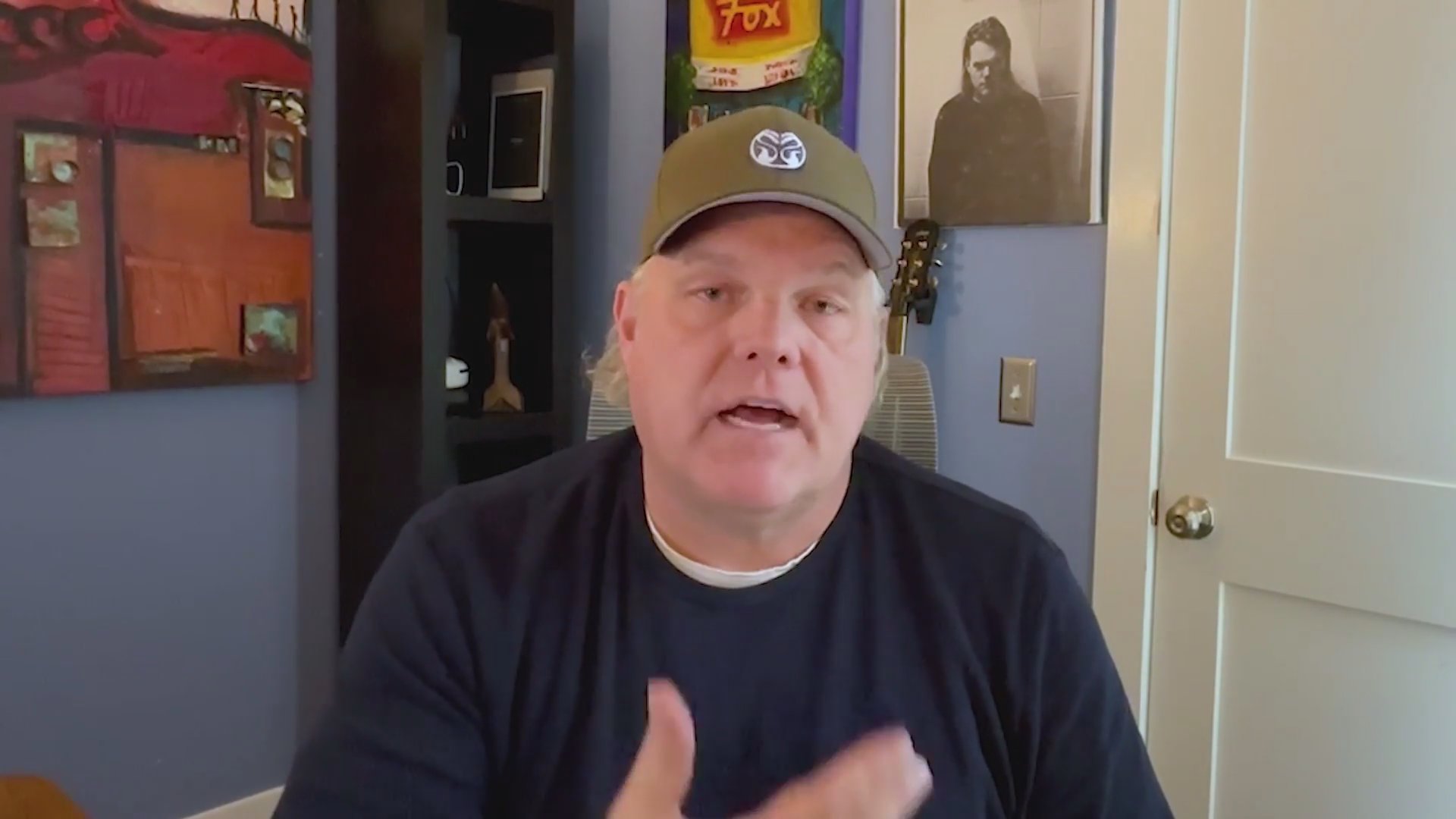
Hey, guys. Chris Edrington from Cadre here. I had a conversation earlier with someone today about physical withdrawal and early recovery. And so I decided I wanted to make a video about this to clear up some misconceptions, maybe talk about some ideas that I have about it. So if you're coming into recovery for the first time and you've never done anything before, you've never been to treatment, it's highly, highly recommended that you go to a medical detox regardless of the substance you're coming off of.
A lot of people don't realize that coming off of opioids is horrible, but it's probably not going to kill you coming out. Coming off of alcohol is horrible and it can kill you coming off of benzodiazepines like Xanax, same thing, really bad. And it can hurt you. It can really, really damage your heart or kill you. So medical detox, the preferred route for sure. If you come into recovery, say, your third or fourth time and your last run wasn't very long, and you kind of feel like, well, I've done this before, and you end up in a less than acute level of care, like sober living or at somebody's place, somebody's house, and there's still that physical feeling of withdrawal from whatever you're coming off of.
There's a couple of really important things to think about that you can't, you need to know. You can't necessarily put your cousin or your mom or your sister in that position of, of taking care of somebody that if they're not a medical professional and it's incredibly irresponsible to go put them in that position knowing you're going to go into full blown withdrawal when you're at their house. So that's really just not cool, not fair and dangerous. So I would recommend everybody go the medical detox route.
Even if it's not that bad, it's safer because you never know who's going to go into seizure from alcohol withdrawal. Nobody knows. It's different for everyone. There's people I've seen who you would be sure would go into seizure after stopping because they drank so much and it didn't happen and others that did. So the other sort of second phase of this, and this is, I think, really interesting, it happened to be a subject of this conversation this morning where you're in the second sort of tier level of care.
You've been to treatment, you've been to detox, you get into the community, maybe sober living, maybe something similar, and you still feel kind of physically not okay. Or maybe it's more mental. And I think what that is is obsessing about using as opposed to craving the drug or the booze and the mistake to make. I think the mistake often, many people often make is to confuse craving with obsessing. If you're obsessing, you're just really thinking about it. You miss it. You're used to having that substance at hand whenever you're uncomfortable, and early recovery is uncomfortable.
And so that's your go to. You get uncomfortable, you get drunk, you get uncomfortable, you use. And that's what I did when I was using heroin for most of the nineties. I didn't know how to just walk through uncomfortability or be uncomfortable. And that I could just cruise through it and just be, you know, have a moment, like, have a headache and not have to take a lot of drugs or something. So this is an important piece because I think it's gonna. I think it's really common, especially among opioid addicts, because you go into this withdrawal phase when you don't have it after using it for a while, and it's incredibly difficult.
It's emotional pain, it's physical pain. You get sick. Opioid withdrawal sucks. And if you get a little bit uncomfortable or maybe you get a little bit sick, it's easy. Just normally sick, like, say the flu or a cold or COVID or something, it's easy to align that with what you know to be withdrawal. And you're like, oh, man, I'm feeling. And you get this really, this crazy idea that it takes you back to that same place when you're in withdrawal. And that can be dangerous because that's where we know we can go do x to get out of it.
What is important for the people around you, your family and your friends to understand is that you can actually talk to somebody about the obsessing thing, and they can learn what obsessing is and find their way out of it. If you're two, three, four, 6 hours away from your last use and you're in full on physical craving mode, that is a very different thing. And I can't probably talk you out of that because it's an actual physiological thing. So the point here is the difference between real physical craving and just obsessing about I'm uncomfortable and I want to change it.
Those things are really important to know if you're trying to support somebody, because you can support them and really provide help in that obsessing phase, and the medical professionals can provide help in the real craving, physical withdrawal phase. Those two things are very different. And I think it's important, really important to understand that, because I think sometimes moms and dads get a little bit bamboozled by somebody who says, you know, I don't need to go to detox. I'll just sleep it off in your basement, and mom can make me some jello, and I'll be fine.
Really, really, really bad idea. So let's all understand the difference. I hope this was helpful. Let me remind you, lots of people on Cadre lived experience in all kinds of different buckets. Really cool stuff. Check it out. Till next time.