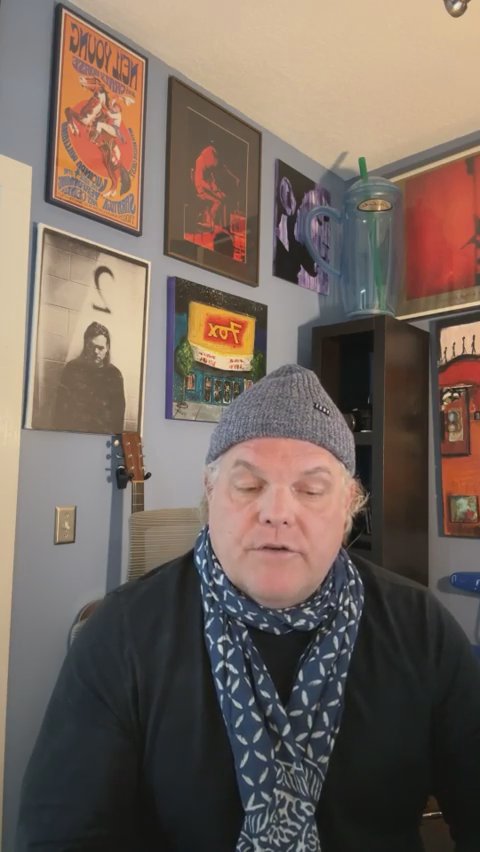
He says it's a constant conversation with your doctor about side effects, what's working and what's not working. Edrington says meds are just one part of early recovery.
Chris Edrington: A lot of meds can be super helpful in early sobriety. He says it's a constant conversation with your doctor about side effects, what's working and what's not working. Edrington says meds are just one part of early recovery.
Okay. Hi, guys. It's Chris Edrington here from Cadre. And today we're going to talk about medications in early sobriety, and I'm talking about psych meds, not mat. So a lot of people get recommended antidepressants, anti anxiety meds. It's really, really common coming out of treatment to be put on these meds. And I'd like to set up a little bit of a structure around why, how, what, without obviously, coming from a medical standpoint of what these drugs can do to you. I'm speaking in terms of how they help people in early sobriety, because that's what I'm interested in.
Whatever works to help anybody in those first months, because that's when it's really crucial that you try everything you can and that you stay in that game and whatever can help you stay there and motivated and interested and at least comfortable enough to show up for your own recovery, then I'm for it. So I think a lot of meds can be super helpful. Antidepressants, anti anxiety. There's a whole bunch of new ones out there. Zoloft, Paxil, Celexa. There's a lot of them. I have had my fair share of them.
When I was in early recovery, I literally told my doctor, give me anything you can. I am as anxious and upset and uncomfortable as you can imagine. And of course, she did it in the right way and gave me what was appropriate. The key here, I think, as I talk about this, is how does this relate to your ability to take advantage of the sober community, the AA community, maybe sober living home, maybe an outpatient? Whatever the processes you are involved in in early recovery, I want to support things that help that process, because as long as you stay engaged in that process, the likelihood that you're going to stay sober goes way up.
And if something takes you out of that engagement, like depression, anxiety, or other mental health issues? Issues, then we're losing. And we. And we don't want to lose. We want to win. So think about it. I want to think about it in those terms, if it's helpful for that process. So what I know about this, not being a doctor and having my own experience and watching hundreds of other people do this, is that it's a constant conversation with your provider about the side effects, what's working, what's not working, the dosages, how you feel today, you know, how you feel last week compared to this week, how much of your own sort of self care and working towards your own happiness is contributing to this in other words.
If you're working on eating well or being fit in recovery, it's going to have an influence on how well the meds work. And that combination should be a constant, honest discussion with the professional, because the more honest you are with a doctor, the more they can help you with small tweaks and changes. That was my experience. I constantly was in conversations with the doctor about a little bit of this, little bit of that. I don't know this. I don't know that. And they. They aren't taking direction from you about changing dosages.
They're taking in the information and using their professional education to make a decision about what they should do with your dosage. Change it. Not change it. Change the drug itself. That's the part that just let the doctors do their thing. I think that it's really important to understand that this is just one part of early recovery. This is just another piece that's really super helpful. Right. Surrounding yourself with the right people, taking the right job, not getting too ahead of yourself.
I got to rebuild my life really fast. I got to get back to being a special person where I'm, you know, status or money or paychecks or relationships. The meds are just one more piece that can really be helpful. And one of the things I think is really important to keep in mind is that you're really responsible for your own attitude, happiness, motivation. You can't manufacture willingness. You can't just make it, but you can build it with different things that you do. I think it has a lot more to do with what you do with your feet than what you do with your head in early recovery.
In other words, where are you? Where do you spend your time and what influences have you put in your life? Where, what conversations are you in when somebody in early recovery is engaged in the community, with other people who are sober that want to be sober, and trust me, you're not going to be able. You're not going to be sitting around with a whole bunch of people who don't want to be sober. That does happen a little bit in treatment. There's people there that don't want to be there. The further you get into recovery, the more the people are going to be at least somewhat interested and somewhat committed.
That, I think, is the crucial piece. That's where you can feel comfortable and not anxious, comfortable and not depressed, where you can sit at the pizza place after the AA meeting and not feel overwhelmed with anxiety because you're with a bunch of people you don't know. That's just one example, get yourself out of the house. If depression is something that you've dealt with for a long time, it can be incredibly difficult to do the exact opposite of what you really want to do when you're depressed, which is go engage with other humans.
So the meds work hand in hand with the same philosophy here, right? They're giving you a tool to get out there and get the medicine of recovery and use the medicine from the doctors to help get you there. I think one of the other things to keep in mind is that most of them will be temporary. Most of the meds, I was on a whole bunch of them the first year, trying everything, and then I ended up being on none for a really long time. And I think it's important to perceive this process as a tool of progress.
To get you somewhere like this is a means to an end. You may find that there is a particular antidepressant or anti anxiety or some kind of med that really, really clicks with you and the doses may go down and you might be on it for a long time. So what if it's working? It's working, will take it. Another thing that's important to recognize is that your friends in AA are not your psych doctor. They are not your psych, your psychologist or your psychiatrist. And don't let them make decisions for you around your meds.
The doctor make the decision. The more information you give the doctor, the more information they have, the better they can provide for you. A cocktail, so to speak, of what's going to work. It can be incredibly helpful because it allows you to participate in all the other things in recovery that where the real magic lives in recovery is out and about with the people and the meetings and the coffee shops and the pizza places and the bowling and all the kind of social activities that go on in the sober community.
Because what we're talking about now is the social model of recovery. You've been to the clinical model, you've been in treatment, acute level care, and then you shift to what we refer to as the social model, which is a lot more just about having a life and trying to figure out what makes you happy, what makes you feel good. So I think it's a good conversation to have about why the meds are important, why they're not everything, why they do work, how they work, and not to pre judge them as like, oh, I'm not really sober.
If I'm taking a bunch of meds, that's a bunch of bullshit. So there's things that work and they can be incredibly helpful if you participate in the process and you treat it as just another one of the tools you have in your early sobriety journey. As we've talked about on a bunch of these other videos, there are a million other tools, and if you want to hear more about some of those and follow me on Cadre, I got all kinds of them and happy to share. So have a great day. Thanks for listening. See you guys.