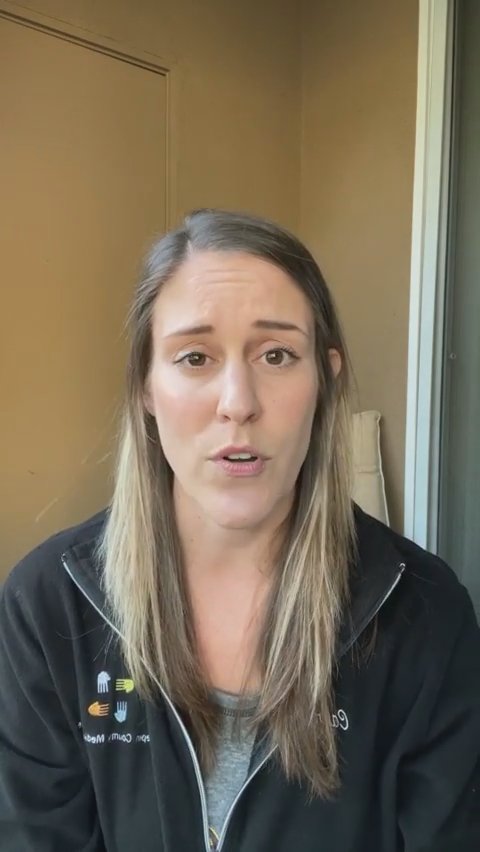
Many Americans struggle with Seasonal Affective Disorder during the winter months. Dr. Carrie will shed some light on this topic, list signs and symptoms to be aware of, and tips for combatting the winter blues.
Hey, Cadre family doctor Kerry here. I'm sitting outside on my patio. I don't have the best view, but I do have some palm trees and my little umbrella.
Only 5% of Americans struggle with seasonal affective disorder. Four out of five of those are women. Some of the things that cause the winter blues are things really that enter into the winter.
Get flowers from every week from Trader Joe's. Boost your vitamin D intake during these winter months. Get your levels checked at your doctor if you are struggling with seasonal affective disorder.
Hey, Cadre family doctor Kerry here. I hope you can hear me. I'm sitting outside on my patio. I was gonna show you. I don't have, like, the best view on my patio, but I do have some palm trees and my little umbrella. So just thought I would do this video from the outdoors since we're talking about winter blues. And unfortunately, or fortunately, whichever way you want to look at it, I don't struggle with that anymore. Now that I moved to San Diego when I lived in Minnesota, I did struggle with that a lot.
And I just wanted to talk a little bit about seasonal affective disorder, who it affects, what symptoms to be aware of and just shed some light on that topic. So my research that I did, it's really a surprising low number. Hey, jungfu junkie. Thanks for joining. It's only 5% of Americans that struggle with seasonal affective disorder. And it's actually four out of five of those are women. So it's predominantly women. Hits you in like, your twenties or thirties, and it's something you struggle with usually every year.
Now, I wouldn't say that I classified as somebody who had a diagnosis of seasonal affective disorder, but I definitely struggled with symptoms of it when I used to live in Minnesota. And I would say 99% of Minnesotans probably struggle with this, whether they're diagnosed or not. And just in general, even though it's beautiful right now in San Diego, there's something about this time of year when there's less daylight. There's, you know, it's not as warm. I fortunately live in, like, the sunniest state in the US, so I don't have that issue.
But there's a lot of, you know, several days in a row with cloudiness. So some of the things that cause the winter blues or seasonal affective disorder are things really that enter into the winter. Right. It's the less daylight time. It's, you know, your sleep cycle is disrupted. m. Your body's starting to think, oh, my gosh, I should be going to bed. And so that really messes with our circadian rhythms to even have a 1 hour time difference. I know that sounds really funny, but it's a huge, huge shock to your circadian rhythm.
And it can actually alter the melatonin levels in your body when that happens, which is why all of us are like, oh, my gosh, can we be done with daylight savings? And so just to give you some more insight into, like, some of the symptoms you might see with something like this is, you know, low energy levels, not wanting to get out of bed in the morning. Maybe your eating pattern changes. Maybe you overeat or under eat. A lot of us, I know, start to put on some weight, especially in Minnesota. Some of that might actually be a survival mechanism, though, because it's so cold there.
But, yeah, they definitely change in your eating pattern and just in your energy levels in general. m. m. And I just feel like my mood fluctuates more in the winter months, especially at this time of year. End of January is when it used to hit me in Minnesota. And you're like, all right, we've had cold and darkness and cloudiness for long enough, and we're getting really sick of winter now. And it's like, oh, my gosh, we have all of February and march to get through here. And then lately it snows in April and Minnesota.
So I actually had several years in a row where I had flights out in April to go on, like, mission trips, and they were delayed or canceled because of massive snowstorms that happened in April. Guys. So shout out to all my Minnesota folks, my family. I just. I feel for you, okay. I really feel for you. The traumas real there with the snow. Yes. We all want to hibernate. Exactly, Barb. We just really just don't want to get out of bed under the warm covers. Right. So, you know, actually, I also was doing some research and found that, like, your serotonin levels can actually change with this time of year, with the less daylight.
Like I said, it affects your melatonin, affects serotonin. It affects all of those things. And I just remember one year, I just said, you know what? I think I might actually have, like, problem with this. I had struggled with depression most of my life, and so just having even compounded effect of having just a little bit more of the winter blues on top of that was never easy for me. And I ran into somebody who said that they have, like, kind of like a protocol that follow every winter for themselves.
And it was really insightful to say I should take. Take matters into my own hands about this. I don't need to get on more drugs. I just need to do a few lifestyle changes. And it was so profound, I couldn't believe the difference. It made. I invested in one of those, what do you call those uv lights, like that would sit on your desk. Because I worked in a hospital with no windows. And even though I had, you know, some cute stuff in my office and, you know, it felt very homey in there. I didn't have any daylight for the entire day because I would go to work, it was still dark out.
I'd come home, it's still dark out. And a lot of us who work in offices or hospitals or situations like that, you never see even a window. That can be really hard. So first things first. Invest in a uv lamp or one of those little light things, those alternative light sources. They actually work. I thought, this is really hokey. I'm gonna put that super bright thing on my face while I'm sitting at my computer. It's really annoying. I kind of just want to have sunglasses on. But I did it. It actually worked, like, a certain number of watts.
You have to do your research into finding, like, a quality one. And it has to have a certain number of uv watts or something. I'm sure I'm using the wrong terminology here, but it actually has to have a certain number of, like, watts to actually be effective. And you have to have it on a certain number of minutes a day. But honestly, it worked. It totally worked for me. And I don't think it was a placebo effect because I didn't think the thing was going to work, but it actually worked. Then the other thing you can try, and this sounds also really funny, is actually buying yourself fresh cut flowers.
There's actually research to show that having something with life that's bright colored in your space can actually help boost serotonin levels in your brain. So if you are somebody who loves flowers, there you go. There's your excuse to buy fresh cut flowers every single week. I personally think they're not, like, the best use of my money, but that's just because I'm, like, a grinch about flowers. But they are beautiful. And I do love flowers occasionally. But, like, seriously, I know someone that actually got them once a week for themselves, starting in, like, january and all the way through February.
And they said it boosted their mood, like, significantly. So that's another thing you can try. And a third thing you can try. And this one I'm hesitant to recommend because I actually am really against it. But that's tanning. And so I actually started doing this. And I'm generally not a fair skinned person. I always have kind of, like, a nice tan. And it can. But so like I don't burn at all if I go to a tanning bed. But I tried it one year and I got myself like a five pack at the tanning salon in Minnesota and I went once a week for five minutes in the bed.
And unfortunately, or fortunately, I tanned because I just tan super easily. But I actually wore sunscreen when I went in there and like did not go in there with the intent to get tan because I firmly, firmly against tanning beds. Right? Like I know so many people that have had skin cancer. So many people. So I am not promoting them right now. Okay. I hope you understand that. But I do think there is significant benefit to going in there for a few minutes. Like I would literally go in for three or four minutes once a week for five, six, seven weeks.
And it made a huge difference. It really did. And I went to cancel my tanning membership because I did this every year around this time at the end of January because it helped me so much. And they're like, oh, you sure you don't want to keep your membership? It's nationwide. I said, I'm moving to southern California, people. I don't need this anymore. So I just go outside and walk my dog in shorts and a light jacket here right now. So sorry, not sorry, but I don't need the tanning anymore because I'm literally out in the sun and getting that vitamin D.
The other thing, if you're like absolutely against tanning beds, which again, I don't like even promoting them at all, is definitely boost your vitamin D intake during these months. The correlation between different ailments that have like, associations with vitamin D deficiency affect the majority of people who live in the northern states. In the United States, things like Ms predominantly affect people who live in the northern states and it often is correlated to a lack of vitamin D or a vitamin D deficiency.
So just think about that for a second. Vitamin D is a really important, really, really important vitamin to be taking in the winter months. I highly recommend getting your levels checked. If you're taking some really high doses, like if you're taking more than 5000 ius a day, highly recommend getting your levels checked. I actually did this once and I was actually toxic because I had too much vitamin D. So either go really conservative and take one or 2000 ius a day or maybe a 10,000 a week once a week.
Otherwise, please get your levels checked at your doctor. It's really important. You can actually have issues if you go into toxicity with vitamin D. So again, I am not a holistic health practitioner by any means. I'm just talking about this from my nursing backgrounds as an advanced practice nurse. Own personal experience with taking vitamin D. But that also does help when you're taking just that little boost of vitamin D during the winter months. So I just want to take a look at the comments here.
Get flowers from every week from Trader Joe's. That's a great idea, Barb. I love it. They're affordable. Yeah. They don't have to be super fancy. You don't need $60 worth of roses every week. Just get some, some cute daisies and something. Whatever's on sale. Self tanner can help as well. I bet it does, Katie. I bet you'll look great with a glow. And you know, even looking at yourself in the mirror with that tan probably boosts your mood right then and there. Jill and Mary, my teenage self is so happy to hear that.
Again, hesitant to promote the tanning guys because it's, it's really, it's not the best thing for you. But just hopefully there are some tips I could share with you today. I know the struggle is real. I'm heading back to Minnesota this week. Not looking forward to the weather, not looking forward to the cloudiness when I'm sitting outside right now with palm trees and just the beautiful sunshine in San Diego. But I do really want to speak to the fact that this is a real thing and it is a diagnosable condition.
If this happens to you every year and you're really struggling with things, there are definitely doctors who can help with this and get you medications. So please reach out to your doctor if you are struggling with seasonal affective disorder or you have these symptoms because there might be like an actual chemical thing that they can help you with as far as medication. So I hope this was helpful. And I am thinking of all of you as in these cold, gloomy states right now in the United States. And my prayers and thoughts are with you and I will be back there tomorrow.
So prayers for me please too. Love y'all.