Jason Lennox is your resident recovery champion. It gets harder before it gets easier. There was not much that was hard about it. In fact, it was somewhat enjoyable to just be out there on the open road.
Jason Lennox is your resident recovery champion. Everything I do is connected to recovery somehow. The title I put Sunday Serenity is this series. I think serenity is just key to any of us doing well, staying well.
Today I want to talk about hard and why it is such a relative word. We're naturally wired to take easy. It gets harder before it gets easier. How do we fight through things that are hard? It's discipline.
There was not much that was hard about it. In fact, it was somewhat enjoyable to just be out there on the open road. It takes discipline, serious discipline and then two, we gotta have a purpose. And I just think anything is possible from there.
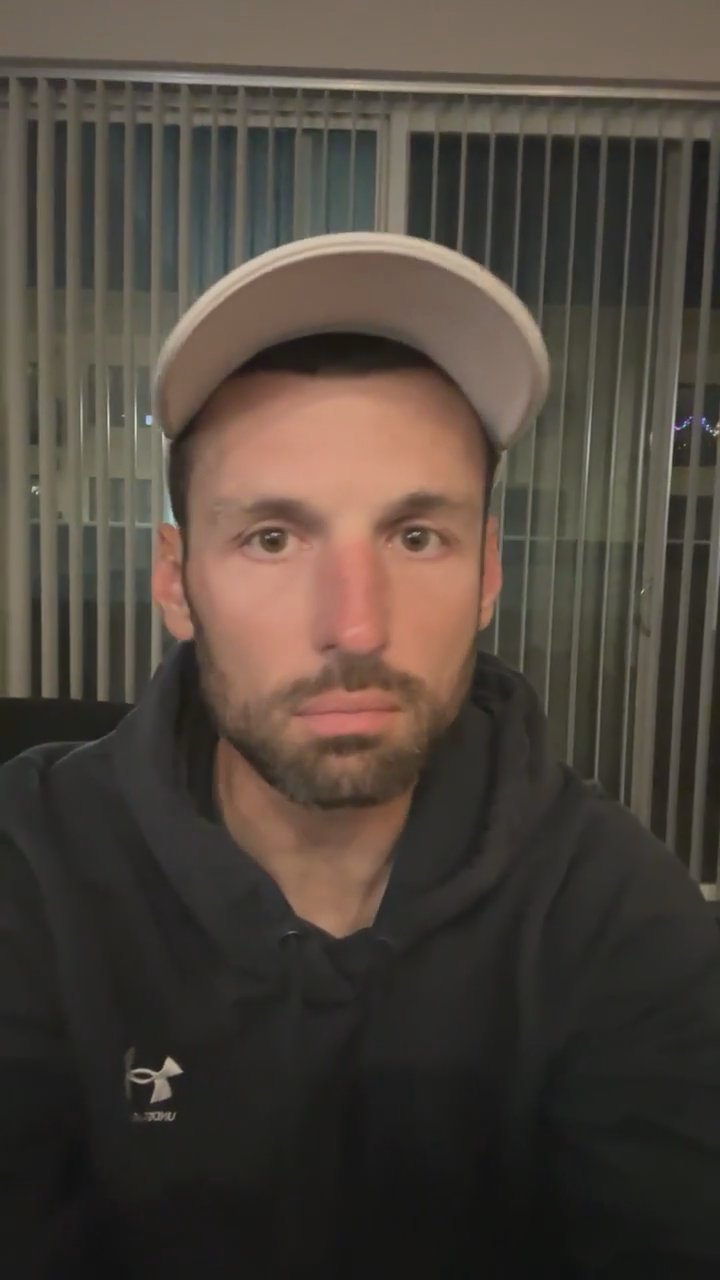
Good evening to everybody in the Cadre sphere. Happy Sunday. Sunday Serenity here. Coming at you, I'm Jason Lennox and your resident recovery champion, which just means I'm all about recovery. Working in recovery, living in recovery, representing recovery. Everything I do is connected to recovery somehow. And recovery for me meant from substances, from alcohol, really anything I could get my hands on that would alter my mind. So that's a little bit about who I am. And I'm coming at you if you see anything familiar here, coming at you from the old apartment.
And yes, sadly it is getting dark very, very early. I just got home early this morning about 1am I was gone for about a month and I'll tell you a little bit about that, but I think you've been watching Luke, you've seen, we've been on a long trek and that's what I want to talk about a little bit tonight. The title I put Sunday Serenity is this series. And I think serenity is just key to any of us doing well, staying well, peace, joy, all the things. Serenity when I'm serene, when I have peace in my life.
I'm not seeking outside things, certainly not going back to the life I used to live. Good evening, Jules. Speak, wonder. It's nice to see you here. So I'm coming at you again about a month after the last time I've been here. Just got here early this morning and Sunday serenity again. Today I want to talk about hard and why it is such a relative word. Just to give you kind of a high level summary. Just returned from Tennessee and about a month ago went out and landed in West Virginia from West Virginia, went on a 500 plus mile walk over, call it three and a half weeks.
And then I attended a conference for a few days in Nashville. So walked from West Virginia to Kentucky to Virginia to northeastern Tennessee, over to Knoxville, down to Chattanooga to Alabama, Georgia back up to Tennessee to Nashville. So hit six states over three and a half weeks and again five, call it 505 miles, something like that. And in the title again I said hard is so relative. Very, very relative. I'll give you just a little glimpse. I had never walked more than 15 miles in a day in my life.
At least I don't think, not since as long as I've been tracking. I did that actually this May and I thought that was just something else. 15 miles. The very first day of this walk, we put on about 34 miles and I think day two is about 25, something like that. After the first day I had Blisters all over both feet. And it was hard. But again, hard is such a relative word. I'd never walked 15 miles, more than 15 miles in a day. And within a couple weeks, 22, 23, 25 miles was just another day. It was just a normal day.
It had gotten easy, actually, by the end. People kept saying, as I've been seeing them again getting back, you must be so tired. I was more energized at the end of that thing than I was at the beginning, that I know for sure. And again, hard is just such a relative word. I had never walked more than 15 there. I'm walking 35, 25, 20, 25, 20. It just became easier and easier. Of course, the blisters, all the things were there that was really hard. So my point in this is hard is so relative. Then the question is, why don't more people accomplish hard things?
I think there are two reasons, primarily. One, we are naturally wired to take the easy path. When we're faced with the fork in the road and you've got hard and you've got blisters walking 15, 20, 30 miles, the mind quickly goes to. I could go back to my old pattern, which is about three, four, maybe five miles in a day. So, one, again, we're naturally wired to go very, very easy. The second thing that I shared a little bit about that, I think makes hard, hard. And one, it's hard. Two, sometimes it gets harder before it gets easier.
So just imagine five to six big blisters on each foot, on the ankles, everywhere, and you just keep walking on that all day, every day. It was harder before it got easier. Three, four days, call it, where I was trying to pad them up, wear band aids, all the different things. And I gotta tell you, it was brutal sometimes walking on those feet like that. But eventually it went away. So two reasons we don't accomplish hard when it's relative and we know it gets easier. One, we're naturally wired to take the easy way, take the easy path.
And then two, most like, oftentimes it gets harder before it gets easier. So what do we actually need to do? What that's the. That's the statement is hard is so relative. I told you a little bit about the problems. We're naturally wired to take easy. It gets harder before it gets easier. So what do we actually do about it? How do we fight through things that are hard? And all of us who've struggled with substances, with alcohol, that is a hard, hard life. And coming out of that and getting away from that Kind of life.
And relying on those is no easy feat. So how do we do it? And my answer to that is one word. It's discipline. Discipline is the way that I can turn something hard into something easy. Discipline is the way that I can accomplish things that are very, very challenging. Very, very difficult. Discipline, discipline, discipline. And I think that comes from a combination of things. There are probably many things that contribute to discipline, but say two of them specifically for me. One, it can be a learned skill set.
So as I went on this walk, there was just. I've been so disciplined. I've learned different habits, created things as we, as we, as I went through recovery that I just learned with discipline. I knew that was important. I spend a lot of time at the gym. I try to eat right. I do all those things that really have built that skill and that motor of discipline for me. So it was always going to be a little bit easier for me to work through that first week and all the pain of walking all those miles. Second thing, which may be more important and maybe helps, it can really compensate for the lack of discipline or a lack of that skill or that habit that's been developed.
And that's a purpose. You know, we were originally setting out to walk 307 miles to represent the 307,000 people that we lost last year to drugs, alcohol and suicide. And 307 turned into 500. But I got to tell you, that happened because 307 went. It came and went and it happened fast. We knew I was on. I was doing live streams daily. I was in conversation all the time. When all that energy and buzz was sitting there, when everything was just there in the front of my mind, I knew we had a mission.
I had a strong purpose. Think about that. 307,000 people to take on something like that and say, you know what we're going to set out to do. This walk just made it a whole lot easier. So again, I already had the habit of discipline regularly in my life. I can be disciplined in a lot of ways. And two, I had purpose. I think it's one or both of those that's required to actually stay disciplined long enough to make hard easy. But I got to tell you, again, when that actually happens, it is fascinating.
Again, I had not walked more than 15 miles in a day. And within a week, week and a half, a 25 mile day was just another day of getting up and going and walking five miles and walking another five and another five and another five and another 5. There was not much that was hard about it. In fact, it was, it was somewhat enjoyable to just be out there on the open road thinking about all the things, the reasons we were doing it and all of it. So that purpose really helped. And it got harder before it got easier, of course, in the beginning, with blisters, with pains, with ankles, Achilles, all the things.
But then it just became again just another day. And my legs and my body and my mind felt as good at the end of that, over 500 miles later, as I had at the beginning and maybe plenty long time before that. Even so, hard is a very relative word. It's not hard for me to go out and walk a 20 mile day anymore. But again, it takes one, or probably more likely both of the two things I mentioned. It takes discipline, serious discipline, which comes either from, you know, I think it comes from just developing that habit over and over and then two, we gotta have a purpose.
We have purpose. I mean, you hear the stories about the moms who lift cars up and do things like that. When there's a strong purpose and there's a strong reason, something else is activated. And that makes something hard very much more manageable and doable. It wasn't that. It was always easy from the start. That's not the way that it worked. That's not the way that it works, in my opinion. But it does get easier and it's fascinating how fast that can happen again. Two, two and a half weeks. And something that was hard and unthinkable was just another day at the end of end of those couple weeks and made it quite enjoyable.
So that's what I got for you tonight. Hard is just so, so relative. And we just need to get in the habits again of creating discipline. Discipline will make that fork in the road much easier to take the hard path. And then we get a little bit of experience again. We've come from really hard paths and we've done some incredible things to even be here and be alive and be fighting this. So one experience after another continues to be the evidence, if you will, that we can accomplish hard things. And so it makes the next hard thing a little bit easier.
And that discipline grows and it grows and we get stronger. And then you add purpose in there. And I just think anything is possible from there. So grateful for all of you who've tuned in and anyone else is gonna be watching after. Look forward to sharing some incredible lessons. I gotta tell you, walking 500 plus miles across six states with several different people and all the conversations and all the reflections and their thoughts and everything from just the open road. There's gonna be some of that to come for the next know several weeks, months, probably even years.
So I look forward to sharing a little bit more about that. We're going to do a little Q and A here at some point too. So stay tuned there. But grateful for all of you tuned in again. I hope you all have wonderful weeks planned. I've got a big conference or industry conference for substance use disorder treatment providers this Monday, Tuesday, Wednesday. So I got home settle in today, not for long. Got to get back and hit the road, get those three days knocked out and then here we are going to be in November.
From there it's hard to believe but heart is very relative. Hope you got something from that and hope you all have wonderful weeks. We will talk to you next Sunday. Thanks so much. Bye bye.