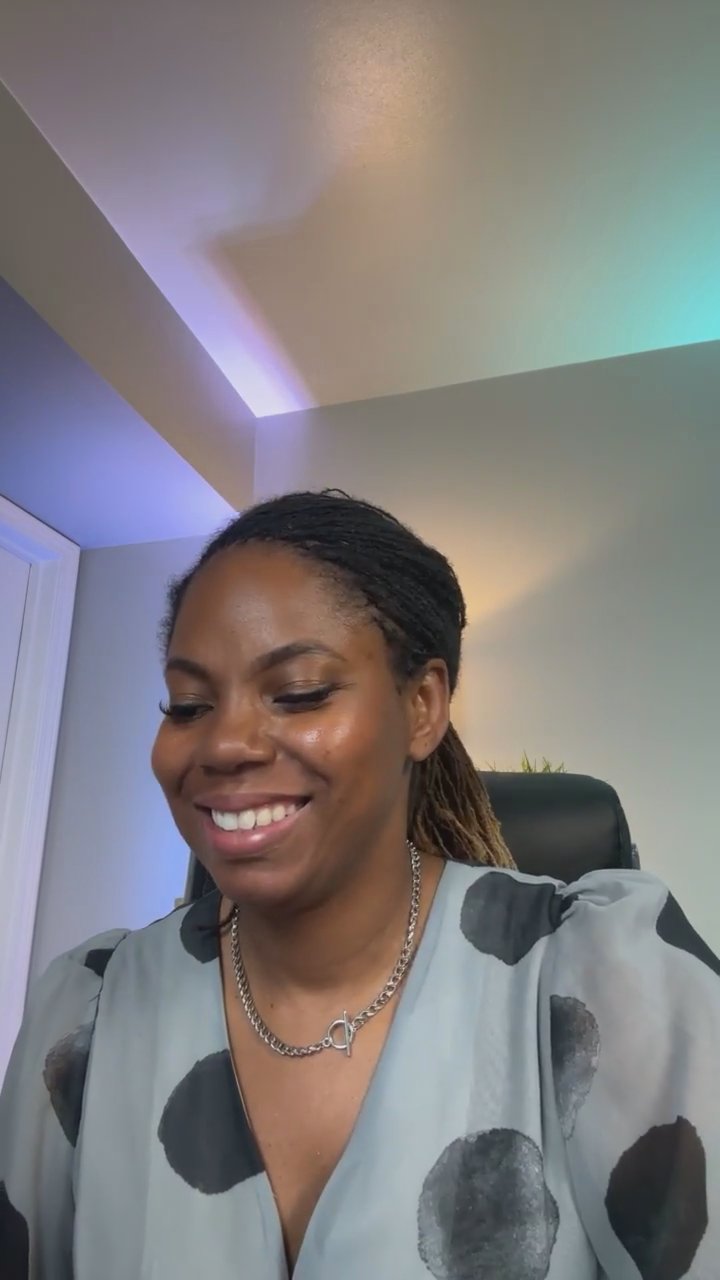
What’s your communication style?
Welcome to get to the Root with Rachel. Tell me how you are feeling today. Drop a word, an emoji describing how you feel today. Happy Wednesday.
Creatives are very unique. They are very eclectic. My daughter plays the saxophone and so I love to hear her practice. I really love instrumental music. It is very soothing and calming.
How are you showing up authentically in your communication? Do you know the four types of communication? What old shackles did you release this past week? Check in with yourself next week.
What is your communication style? Is it passive aggressive, passive and aggressive, or is it assertive? My goal is to shift from being less passive and more assertive in every conversation. Conflict is not all bad. It's an opportunity to express what you need and to hear what they need.
Use the I statement. It causes the other person to listen to you. And if you are in a loving relationship and you guys are committed, they will hear you and respect you. If they don't, then you need to evaluate their relationship.
The goal is assertive communication and active listening. That is what healthy communication is all about. If this has been useful and helpful for you, please put a heart in the chat. And you have an amazing week, too.
Hi. Take these words in. I am light. I am light. Hello, Jamie. I am light. I am light. Come on in. Welcome, everyone. Welcome to get to the Root with Rachel. Happy Wednesday. Hello. Speak wonder. Nice to see you. I miss you all last week. It's so good to be back and be with you. Come on in. Tell me how you are feeling today. In the chat. Let me know. Drop a word, an emoji describing how you feeling today. A. That is so sweet. Thank you. Speak wonder. Come on in. I'm so happy to be with you. How's your granddaughter?
Thank you. I think last time I was here, you had the grand order with you. All right, creative, what are you making? What are you creating? What are you creating? Create those who are creative. Creatives are very unique. They are very eclectic. They see things that other people don't see. And so I love creatives. My daughter is a creative. That's fine. That is fun. Knock, knock jokes. Ooh, music. That's a skill. That's a true skill. My daughter plays the saxophone and so I love to hear her practice.
I really love instrumental music. It is very soothing and calming. Yeah. So how are you showing up free this month? I know we are in the middle of July and our theme this month is freedom. And so how are you showing up authentically? How are you showing up free? How are you walking out that value of freedom? How are you walking out that value of freedom? Well, today I want us to think about how we are showing up free in our communication. And so right before my live, I put in there, we're talking about what is your communication style?
And I have my notes here with me. So I do want us to highlight the four types of communication. And so you can know the best way for you to show free in your communication. You go for it. Yes, ma'. Am. Yes. Identify it and shed it. Identify it and release. This is the time. This is the season. This is the month that we show up free. Yes. So check in with yourself next week. When I come back, I'll ask you again, what old shackles did you release this past week? It's a choice to do it. It's a choice.
So, yes. How are you showing up free? Free. And how are you showing up free in your communication? So do you know the four types of communication? Do you know the four styles of communication? If you do or you don't, I'm curious to know what is yours. So I will give you the four description and then you tell me at the end. Okay. Number one, passive. This is One individual avoids conflict. Okay, I will. Passive. A person who has a passive communication style tends to avoid conflict and their needs go unheard.
So it's. It's like an individual who. Who wants their spouse to do more chores, but they don't tell them. They just keep it inside, and they fuss and complain inwardly. Be aggressive. So this is the. The type of individual, their style of communication is they express themselves, and they express themselves really strongly, right? And it may have the intention, the unintention of hurting the relationship because they are forceful, they are using strong words, derogatory words. They may use sarcasm or name calling.
They're expressing themselves, but in a harmful way. Number three, passive aggressive. So it's the combination of the two types. So they hide their true feelings and they are aggressive As a result, it creates confusion and tension in the relationship. So they. They will say, I don't care, whatever you want to do. That's not how they really feel, right? They might snap at you. They may go stonewall. They may ghost you. They may go silent, all these things, but they're still hiding their true feelings, their true emotions.
Number four, which is the ideal type? Assertiveness. So it's when you communicate clearly, respectfully and confidently. This is the goal. This is the goal. The fourth one is the goal. So the. The analogy I like to use is Goldilocks and the three bears. So do you remember that nursery rhyme is when Goldilocks, she goes into this cabin. She sees, you know, that this house is set up with food, a chair and a bed is comfortable, ready made for her. And she goes in and she lays down on the dad's bed, and his bed is too hard.
So she gets up. Then she lays down on the mama's bed, and it's too soft. It's like she sinks in. So she gets up, and then she goes to the baby bear's bed, and it is just right. It's like that firm mattress, right? They got that memory foam, and she stays there. And so that's how communication is, right? It's when your communication can either be too soft, too hard, but the goal is to be right there in the middle, just right. So the question for you today is, what is your communication style? Is it passive aggressive, passive and aggressive, or is it assertive?
Mm, yeah. I did a. I did a quiz with some people earlier today about their style, and I realized I have a mixture of passive and assertiveness. It depends on who I'm talking to. And so I'm so happy that you are transparent Here and because when you are transparent, you can shift, right? You can see, okay, you know what I and ask yourself, do I want to continue to be passive, hide my true feelings and not get my knees met or do I want to begin to shift and shift towards being more assertive? Let me know.
So my goal is to shift from being less passive and more assertive in every conversation, in every relationship because I have needs and they deserve to be heard. You have needs, you, you have feelings that deserve to be heard and acknowledged. And so the way that we begin to talk more assertively is first pausing, right? I always say pause, time out, check in, how am I feeling? What do I need? A lot of times we go, we just rebuttal, we go silent and we don't give ourselves that buffer to really figure out and identify what we need.
And so the way we begin to assert ourselves is using the imessage I feel, I need, I want it will help me if right? And if you're talking to someone who's more aggressive, some language, right? Like having pre programmed language like tucked in on your side that you can pull out is the key. A lot of times people tend to be passive because they don't want people to be upset with them. They don't want to have conflict. But what I've learned about conflict is it is an opportunity to get on the same page.
So speak wonder. Anyone else? Jamie, that time and that chimed in, conflict is not all bad. It's an opportunity. It's an opportunity to express what you need and to hear what they need. So part of being assertive is. Yes, expressing. So I need, I want, I feel or another great term can be, or phrase can be I hear what you're saying, I hear what you're saying, but my place is or I hear your opinion, but I stand by or I believe this or I believe, etc. Etc. So having key phrases. So again, we want to be assertive in our communication and we want to be free with actively listening because freedom comes when we understand one another.
So yes, we can be assertive, not hide our feelings, but we also want to make sure we're listening, that we're tuning in to how people are thinking, feeling in what they're saying. Communication is a two way street. Speak, Wonder, you and I, we communicate well here, right? I speak, you reply, I read your reply and then I comment. It's a good flow, right? Jamie, you're welcome. Your presence here is a good flow. And so here on Cadre we have a good flow, right? In Real time. We have to practice good flow where we are speaking, yet we're actively listening and we are expressing our needs confidently.
So, yeah, you may be a little nervous the first few times, but the more you practice, the more you get those phrases in your back pocket, the more you identify how people are communicating to you. Are you communicating passively because they are stonewalling you because they are aggressive? Why are you passive? Why are you aggressive? Are you really trying to hide your true feelings? Are you afraid of vulnerability? Are you fearful that the relationship may not keep going? Check in. It's important to know why we do what we do.
Put that in the chat. We must know why we do what we do, why we do what we do. And in this season, we are called to freedom. And part of our freedom is expressing ourselves. Thank you for sharing. But conflict is not meant to be avoided. It's an opportunity to get on the same page. So when we reframe, when we see it and name it and reframe it, we don't have to run from it. It's our opportunity to work things out, to resolve issues or misunderstandings. And so a lot of times we haven't been taught how to do that, and so we run from conflict.
But it's a discussion, it's a active communication is where you listen and speak and vice versa is figuring out what do I really want to get out of this relationship? What do I really want to get out? This issue that we're having. What is my goal? That's the step. What do you really want? Okay, we're called to go higher. We're called to do things differently. And so speak wonder. And Jamie is called. It's time for you to shift. It's time for you to shift, for you to pause, identify what you want, acknowledge what you need.
Understand. I'm looking at my notes. Understand that some of the issues or the conflict is a deeper problem. We may address the symptoms or the behaviors, but sometimes there's a deeper need. And so for you or for the person or people that you may find yourself in conflict with, take a step back. Use your faith. Ask the Lord, what is the real problem? What do they. What are they? What do they need? What do they need? Is it respect? Is it autonomy? Is it love? What's the deeper problem here? What's the deeper issue?
What's the root issue? An example, I have it here in my notes. Is it really about the trash or do I feel unsupported? Is the issue that the person is not doing their chores? In the house. Or do they? Or do you feel unsupported? Sit with it. Think about it. So one last tip is this. Use the I statement. I said it earlier. You may have heard it from other counselors and coaches, but it really helps because it causes the other person to listen to you and you are no longer attacking the other person.
So, oh, wait, you can say this. I feel unsupported when you don't take out the trash like you said you would. I really need us to work together and do our chores. Period. Period. And if you are in a loving relationship and you guys are committed, they will hear you and respect you. So have confidence that even as you begin to speak more assertively, people will still love you. People will respect you. And if they don't, then you need to evaluate their relationship. Real talk. Real talk. Okay, that's my golden nugget for you today.
Freedom in your communication. If this has been useful and helpful for you, please put a heart in the chat or one in the chat, whatever you can do on your phone. A heart or a one in the chat. I hope this has been helpful for you as you are walking in your authentic self and you are walking in true freedom. The goal is assertive communication. The goal is assertive communication and active listening. That is what healthy communication is all about. I enjoyed you today. Speak Wonder. You have a blessed day.
Jamie. Hey, chime in next week. And you have an amazing week, too. This has been so helpful for me as I reflect with you. Thank you all. You take care and I see you next week. You got this. You got this. Get to the root. You got.