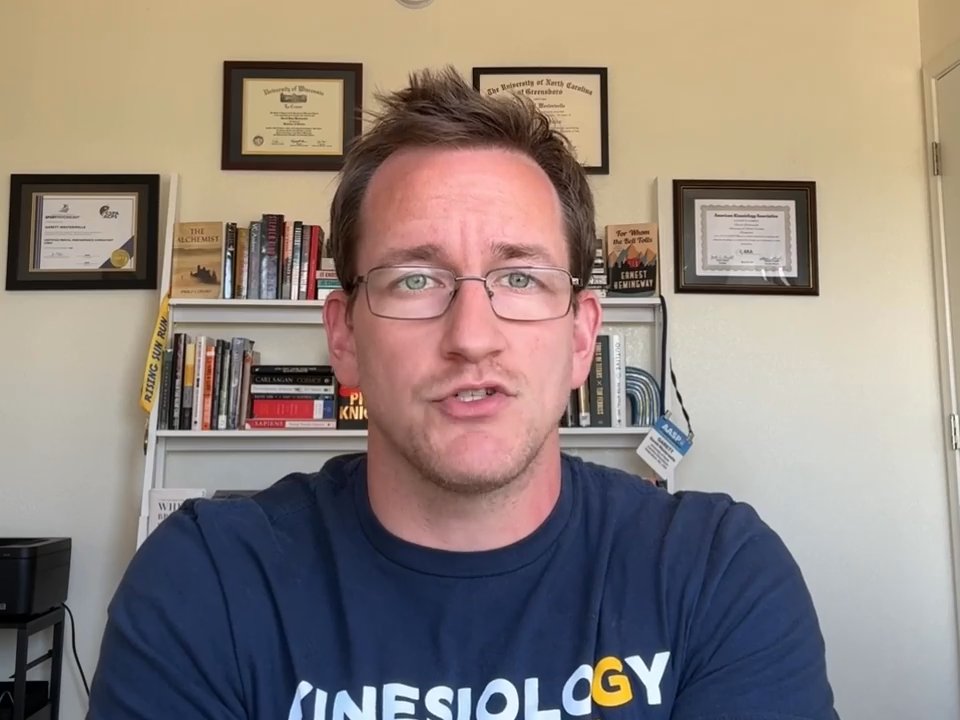
Your body speaks before you do. Posture, gestures, and facial expressions impact the way others perceive you — and mastering body language is a game-changer for communication and leadership.
Over 70% of human communication is non verbal. Body language can be your facial expressions, your posture, gestures that eye contact, your tone, how you move and navigate space. It's important to be intentional with your body language.
What message does someone's body language tell you? It can indicate a lot. Over 70% of human communication is non verbal. And that body language can be your facial expressions, your posture, gestures that eye contact, your tone, how you move and navigate space. So do you have an open posture, nodding, smiling, steady eye contact? Are you mirroring the other person or are you slouching, avoiding eye contact, fidgeting, maybe have closed arms or excessive nodding? We've all seen these indicators and body language can vary across culture.
But some body language is core for human cues that are universal. So for example, crossed arms across cultures indicates defensiveness. And our body language can be unconscious most of the time. But you can be deliberate to improve your body language and your overall nonverbal communication. And improving your body language matters so much. It matters personally for your relationships, where it can build trust, your show, empathy, create that connection in professional settings. That can impact how you perform in job interviews, your leadership style, negotiations, how you work within a team.
And it's important for your own self awareness because others pick up on your cues more than you even realize. So are you conveying confidence or are you conveying boredom or aggression? It's important to be intentional with your body language. It's also important in sport. I talk about this a lot with youth athletes because I'm a mental performance coach who works primarily with youth athletes. And a big reason I do teach this is because like I said, it's so important. And people can control their body language all the time.
And two examples that often bring up is both from coaches and how they view body language. But it can also apply to the leaders you have, the people you're around in any setting. So one example is Gino Auriemma. He's a longtime coach for the University of Connecticut women's basketball team, probably if not the best women's college basketball coach of all time. And he talks about how when he recruits players and thinks about am I going to bring this, this person into our program? He looks specifically at body language, even more so than their stats or their recruiting rankings.
He looks at how are they with their teammates, Are they focused when they're on the bench or are they just lackadaisical, not really caring? And another example is from Nick Saban from one of his books that I've talked about on, on Cabaret before. And he talks about one of his quarterbacks a few years ago, Mack Jones, who was a backup for three years for Alabama. But Nick Saban said that every time that Mac Jones, the quarterback would throw a ball in practice, Saban wouldn't have to see the result of the play.
He could tell by Jones body language whether it was a completion or not. So a really interesting way that he thought to improve this is he would show the film. He would tell the film workers to film Mac Jones's body language. He would show it to Mac Jones and show, show him and convey that this is who you are, this is how you're conveying yourself to your teammates and you need to be a natural leader. And once he showed Mac Jones that film consistently a flip switch and he realized how important it was.
And that helped Mac Jones partly turn from a three year backup at Alabama into a Heisman Trophy finalist and a first round draft pick in the NFL. So some overall tips for improving your body language is to first be aware. Be aware of your posture. Specifically, are you open and relaxed, depending on the situation, of course. Make sure to maintain a steady and appropriate amount of eye contact, smile, genuinely, whatever that is for you. Use gestures to emphasize, not distract, like I'm doing right now.
And it's important to mirror what the other person is doing subtly of course, and that can build rapport. Those are just general tips, but be authentic to you. As long as you're aware of it and trying to be intentional with your body language, it's going to be more effective. And this is all important because you are always communicating to other people, even when you're not speaking. So make sure that your body is sending the right message. So I want you all to focus on that this week. Pay attention to how you use your body.
What language are you conveying to other people and what are you saying without words to those people?