Alex Muir: More doesn't always equate to better. Same thing goes with investing too much. Big things start small. To spread your investments based on your age. I got a Q A with Nikki Mullet tomorrow at 9am Pacific.
Every relationship has a banker or maybe there's two bankers in the relationship. If your partner is spending a lot more money than you're comfortable with, that's the way I would bring it up. Keep the questions in the chat.
If we keep overspending, we won't have a rainy day fund. Talk about the buffer, talk about the emergency fund. If we overspend, then we don't have as much funds available to put towards our kids education.
Jules: Is it best to invest in safe stocks like this soda company's beer and then, so to speak, longevity companies? Jules: I focus on dividend paying companies so I'm not really concerned with growth. How to bring up tough conversations about money?
Gong: I've invested a couple shares in Telus. Where I see growth is the AI with doctors because in Canada we have a huge struggle to see a doctor. We got another live show tomorrow 9am Pacific so whoever can tune into that stay tuned again.
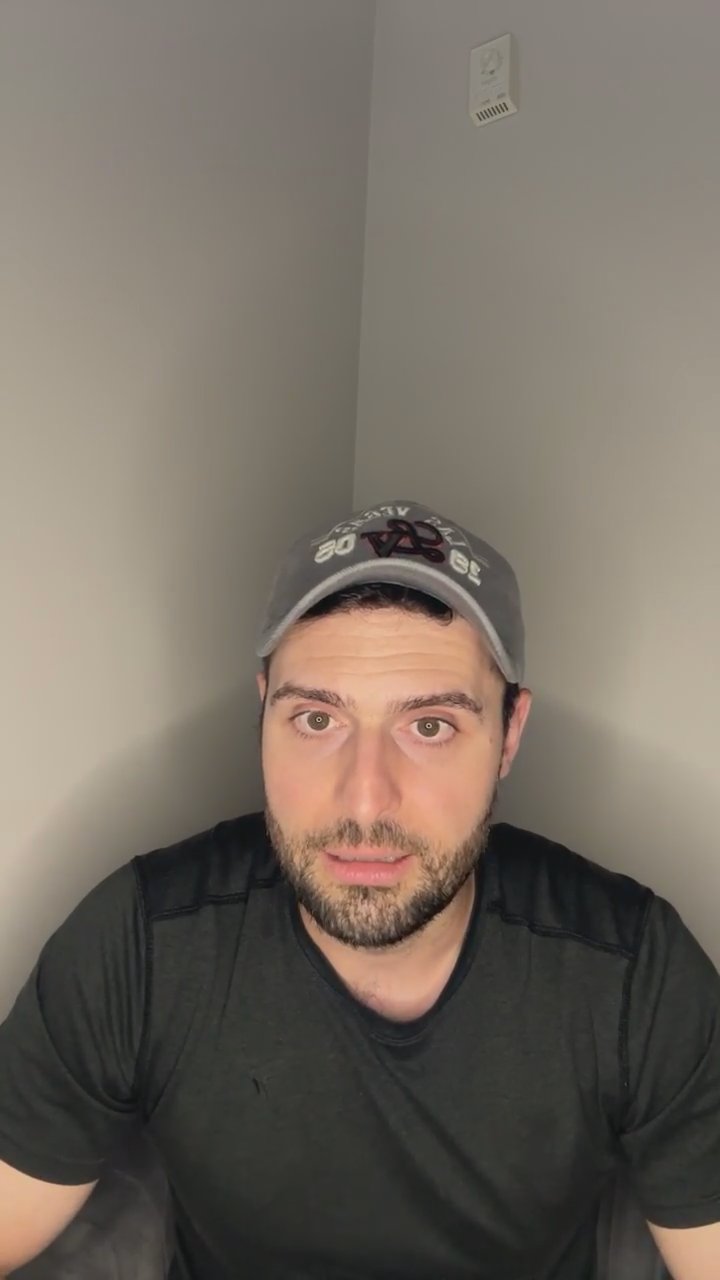
And we're live Cadre. Welcome to Wealth Wisdom. Wednesdays it is 6:30pm Pacific. This is your host, Alex Muir. I'm the founder and the host of the Mindset podcast and the Mindset YouTube channel, helping you flex your mind, body and soul. And today we're going to be talking about breaking free from hustle culture now, a lot of societal pressure, norms. Anamar, welcome. Hilmer. Brianna. Welcome is like work, you know, till we're gassed, till we're exhausted, till we've got nothing left. And I'm gonna tell you, that works to a point.
And then you burn the candle at both ends and then you, you aren't as productive, you don't get as much done and you can get quite irritable. Junk food junkie. Welcome to the Live. Thanks for tuning in. Good evening. Good evening. So the same thing goes for building your financials, building healthy financial habits, right? When we're trying to go to the gym, when we're trying to get in that, those workouts, right? More doesn't always equate to better. Same thing goes with investing too much. Good evening.
Good evening, Jules. Welcome to the Live. Thanks for tuning in, Amar. Thanks for being here. Like for investments too, that can be also detrimental, right? Some people are really high risk takers and sometimes, right, they don't look at the rest of their budget, all their other bills. And then I run into that too, like when I started investing and I was investing way too much and I didn't, you know, you learn, right, of how much you can invest, you know, and then how much you can dedicate towards your bills and stuff like that.
And then sometimes you can get in a bit of a pickle. So just always be aware that more doesn't always equate to better. And hustle culture today is always about more is better, more is the best. It's okay to burn the candle at both ends, burn them in the midnight oil, like working late into the night and into the early hours. But yeah, like that can work for a while, but not forever. It's not sustainable long term. So my advice is definitely smaller, smaller goal. Like you have your large vision, your big goal, your big dreams, right, of how you, how much you want to invest every month, every week, bi weekly, however you want to do that.
But break it down into small, easy, achievable goals to get to that big goal. But it's got us. So big things start small. So always remember the big things start small. And no matter where you're starting, there is a book By Darren Hardy. You guys might have heard of it. Let me know if you've heard it in the comments. The book's called the Compound Effect by Darren Hardy. It's a white cover, red text. Very, very good book. I've read it twice and because how do you guide a family member to stop spending so much?
Oh, that's a really, really good one. I've shown it on paper and talked but it's not sinking in, which is making my anxiety over finances. Yeah, that is a big one. I would. And I'm going to be. And again I'm going to be talking in a. I got a Q A with Nikki Mullet tomorrow. Hopefully you can see all guys there at 9am Pacific. So I'm going to be doing. We're going to be talking about a lot of these things in the live recently read. To spread your investment high risk to low risk and not to put them all.
Yeah, that's a really good strategy. Junk food junkie. Definitely, definitely. To spread your investments like Warren Buffet always said, based on our age. Right. So I'm 32. So what is that? 68%. So 68% of my portfolio is basically you can go. I can go higher risk because my age. Right. Because that puts me up to 100%. Let's just say for simple math. So the older that we become, the left that we're going to flip that. So for me, let's say growth is. Is this bucket right here. Growth is the higher risk.
So for me it's higher right now bonds, lower risk is this bucket right here. So right now it's like this, it's like a 60, right? 60, 40 split. Higher, higher risk and then lower risk right here. But absolutely you can. Some people like to split it up. You can split your investment however you want. You can split it. So it's like, let's say you got a thousand bucks and you want to go 250. 250. 250. 250. Right. So or, or just split it right in half. You go higher risk in one bucket and then lower risk in another bucket.
You can do that too. It's whatever you're comfortable with for your risk tolerance. Remember, time, objective and risk tolerance is always the three variables that are manipulated when we're doing dealing with anything financial. And to answer. To digress there. But to answer your question, Jules, to guide a family member to stop spending so much, I would, I would honestly have. I've shown it on paper. Yeah, yeah. Showing it on paper might make Them feel, might make them feel defensive. They might have gotten defensive with you maybe if you brought it up like that way by like just showing the financial statements or the credit card statements.
So some people will get defensive if you just show them like, hey, like, or if you point to it and like, hey, like, you spent 400 extra dollars this month. Why? You know, and then they feel like they're being put on the spot. So what I would do is change that strategy. What I would do is I would say, I love that you like to spend money. I do as well. But, but you know, we have to budget as a team, as a partnership, we have to budget every month to put money towards our bills, right? We've got X amount of bills and we need a buffer outside of the bills too.
So, you know, there's always a banker. You could even say this too, even in the conversation when you bring it up. You said there's, every relationship has a banker or maybe there's two bankers in the relationship, right. Who manage the money, who do the help with the day to day. And it's a lot of work. I'm the banker in my relationship with my wife, right. So she's super good at logistics, at like all the upcoming plans that we have. Like, I have a harder time with that. I have a harder time with logistics.
But what I'm really good with is the math part because of my background, because I'm passionate about finance and helping people manage their money, because I'm good at managing my money. Because it, you know, what you, what we take interest in and we're naturally going to be, want to learn more about, be inclined to learn more about and it's gonna be easier for us. So I just, you know, it's easier for me. So I, I have no problem being the banker. So if you're the banker in the relationship and your partner is spending a lot more money than you're comfortable with, that's the way I would bring it up.
I wouldn't, I wouldn't like show them like on the sheet, like, hey, you've spent like an extra $400 this month or $250. Yeah. Passionate about public safety. No, that's really, really good. Mr. That's really good. And so that's the way I would bring it up. I would be, yeah. And you could, you could, yeah, you could bring up like it's a, it's a safety thing too, right? Because we don't want to, we don't want to go outside of the buffer. So let's say, right? You're. Yeah, exactly, Jules. So you're the banker.
So you don't want. And then you can. You can explain to your partner, like, hey, we have X amount of bills per month, right. We have to make sure that we have an at, Like a sufficient or adequate buffer. And when they're like, well, what's a buffer? You can say the buffer is the. What's remaining after all the bills. So every. Every week that me and my wife do the bills, we make sure that there's a buffer. Yeah, exactly. So whoever the banker is, when your partner is spending too much money that you're comfortable with, that's what you got to explain is like, every month after bills, depending on expenditures, we can only spend X amount, right?
And they. And they have to be okay with that because it creates friction, creates resentment, creates, you know, button heads when you got. You both aren't in agreeance with the. The budget, right? With. With how much is how much money is coming in. Another thing to mention is if we keep overspending. Exactly, Exactly. Great point. Junk food junkie. I love this. This is like my most collaborative live. I love it. Yeah, keep. Keep the questions coming in the chat. So things to mention is if we keep overspending, we won't have a rainy day fund.
Yeah, exactly. So that's another thing you could bring up in the conversation, Jules, is not only do we need a buffer after all the bills come out, right? We can't overspend. We can't overspend because if we overspend, we won't have a rainy day fund. And then we don't want to have a buffer to put the money towards the rainy day fund. Right? So if we deplete the buffer. All right, again, buffer just means the money that's left over after all the bills, what is that amount? Could be $200, could be $1,000, could be, depending on how much savings you guys have.
And you want to make sure that there is a good buffer for that, just in case, you know, an extra bill comes out that you forgot about or something like that. Then it's just. It's like your comfort zone, right? Everyone's got their own buffer. Comfort zone of funds after all your expenses, right? So then you might be. You might be like, extra net positive and be like, okay, let's sit down. Let's talk about this. We have an extra 200 or 300 we can. Do we have any trips coming up? Do we want to put that in the rainy day fund?
Like. Like Junk food junkie said. Right. And me and my wife set that up. Yeah. And it honestly, it has been a savior. And although, you know, like, I, I like, I use the AI. Right. ChatGPT or Copilot. Right. Anyone that likes to use AI. I'm, I'm, I like to use it to help, you know, kind of refine my thoughts or for content and stuff like that. And it's been super helpful in like, you know, just kind of explaining like the fight, the financials and stuff like that to my wife sometimes. Because it can, sometimes it can be hard to articulate.
Right. If it's your own background, you want it to be like simple, simple to. To explain. So. But yeah, these are great comments. Keep them coming. And. Oh, was that helpful at all, Jules, with, with the way I answered that? Let me know in the, in the comments, is there anything you'd like to add about that, about the overspending? I. That was a really good point by junk food junkie there. Yeah. Yep, yep, yep. Kind of family understood spending so much. Yeah. Just looking at the chat here, guys are giving some awesome, awesome questions.
Yeah. So that's what I would do for sure. 100. 100 is talk about the rainy day fund. Talk about having the buffer available. And then if they're still having challenges with that, I don't know if we. Another. So this is the third option. Talk about the buffer, talk about the emergency fund. Talk about if you got kids, if you haven't already set up like a. I don't know what they call it in the US but it's a registered in here in Canada, we call it a registered education savings plan. And you can start those when the kids are babies.
When your children are babies. So if you guys already have kids, you might already have that set up and you might have been contributing to that since they've been kids for college or university in the future. So that's another thing you could say is like not only emergency fund, but also like, oh, like no, we need to set. We need to set $50 a paycheck or 100 a paycheck to put towards. That puts. If we overspend, then we don't have as much funds available to put towards our kids education. Our children's education.
Right. Because like, you know, college, university. Yeah, I'm a little more forward and direct, which would make him. I see. Yeah. So one more option. So we talked about buffer. We talked about emergency or rainy day fund. Like junk food junkie said. We talked about like kids education. So I would probably say the last, like, piece that hopefully that they're open to there is financial counselors. If you've tried everything else and you've tried to do it right, if you're, if you, like you said, you're more direct, you're more forward, then the next thing would be if they're not, if they're not taking the hint and they're having their defensive and stuff like that, then you could say, you know what, put it like, put it on like yourself.
Just say, I would. Or say, like jointly say. I would like us to discuss how we, you know, because it's, it's, it's our, it's the, it's. The money values are different, right? Husband and wife sometimes. Or husband. Husband or wife and wife sometimes. The, the money values are different. There's a. I haven't read the book yet. I was actually recommended it by my therapist. It's called. What's it called? It's by. Oh, God. Or. Morgan Housel is the author. Morgan Housel is the author. And it has to do with people's relationship with money.
How we were brought up around money, our belief system around money. So if he's, if your partner is not open to, to financial counseling as a couple to talk about it. Right? So there's a third party, there's an intermediary. Then the next. Or the option before that maybe is like, be like, why don't we read this book by Morgan Housel together? Sorry. It's the Psychology of Money. The Psychology of Money. That's the title. Author of Morgan Housel the Psychology of Money. I haven't read it yet, but my therapist recommended to me and I should read it, that I might even read that later because it's super powerful for couples on how you talk about money, how to bring up those, those con.
Those conversations when, those tougher conversations, right? When someone's overspending or not putting enough money away for the rain for rainy day or we don't have an emergency fund. Like, how to bring that up and with empathy, with love, with compassion. Yeah, keep. Keep the questions coming. I love it. Is it best to invest in safe stocks like this soda company's beer and then, so to speak, longevity companies? You know what? That's definitely my strategy. Junk food junkie. Like depending on what your budget is and how much money you have to invest.
I, I'm pretty conservative. I like to stick with blue chip stocks for sure. So that's what they call blue chip talk stocks, right? Like Walmart, Coca Cola, Pepsi Right. I focus on dividend paying companies so I'm not really concerned with growth. I don't, I don't. I like to stay away from strictly like oh, I'm hoping that this stock is going to skyrocket. That's to me that's dangerous because I would rather take the approach of invest in something that you believe they'll continue to pay dividends.
Right. Or that you look back at their. Because you can look at their investor profile online and as long as they've been paying dividends for a really long time I focus on companies that have been paying dividends for like 15 years, 20 years. And the beauty of focusing on dividend paying companies is you can have the dividends every three months that they get. Medical supplies. Medical supplies. Oh, oh. As an investment. Medical supplies. Is that what you're talking about? Jules, let me know in the chat as like an investment or.
But yeah, but junk food. Junkie definitely. Yeah. Focus on companies that pay dividends that have been there to have like a strong earnings, strong financials. I mainly look at if they pay, they've paid dividends for a long time because it's a, it's like a, it's an incentive as an investor. Right. We're getting share of the profits because like Apple and Google and stuff like that they're just tech stocks like medical supplies. That's a really good one. Yeah because there's shortages of medical supplies.
So you want to. Yeah. That's an amazing investment idea idea or something to look into for sure. The a big thing as well in Canada is that I've invested in is. So tell us is one of our media companies and I'm like their share price is really low. Their customer service is not the best for. For Absolutely. Yeah. Appreciate, appreciate the, the comments and then the questions. I would like tell I. So I've invested a couple shares in Telus and it's like not a lot like their share price is 20 bucks Canadian a share and it hasn't really gone up.
But where I see growth is the AI with doctors because in Canada we have a huge struggle to see a doctor because we just don't have the doctors, we don't have the manpower. So like bridging the gap is nurse practitioners. Nurse practitioners are like one under a doctor. There's like doctor and then nurse practitioner that work in tandem with the doctors. And Telus has their own Telus MD which is a cloud based app like this app where you can talk to a nurse practitioner and then you. And then you Go through the queue to talk to your doctor and then you can still talk to a doctor and have a call with a doctor.
It's not a family doctor. Right. Or your family physician but it just helps bridge the gap. So there's not such a backlog to be able to talk to a doctor because getting in like because they're closing down like walking clinics here so it's a lot harder to see a doctor. So this is kind of like. Yeah it's, it's, it's, it's, it's a way that's making it better still to be able to talk to a doctor when you have issues and stuff like that. So that's why I invested in Telus because I see that being a huge.
And there's being a huge need for that especially here in Canada. Right. So yeah but I know I've gone over over today but definitely look up. Yeah look up Google like top medical supply companies for hospitals and stuff like that if that's what you're referring to that supply hospitals. That's an amazing investment idea. I, I haven't even thought of that. That's a great idea. Like one preferably maybe one that's like global or again US based that it's like going to see a doc in. In box place but on zoom.
Yeah exactly. That's exactly what this Telus it's called Telus MD that I use. I actually use it and they only sell to companies. That's why I'm so intrigued by the. The shares because that's where they're. I feel they're gonna grow. The share price is low right now but that's where I feel like they're going to grow because of the. There's. I see potential there to bridge the gap right to. Yeah because otherwise you. The way it used to be is you're sitting in the office for like half an hour sometimes to see your doctor so I'd rather be at home cooking dinner, cleaning, working out and like oh got a notification.
I can see my doctor now. I, I prefer that so I think I feel like others would as well but yeah that's all the time we have today. I gotta. We got another live happening tomorrow 9am Pacific so whoever can tune into that stay tuned again I'm gonna do. I'm. We're probably gonna record pre record that. I should have pre recorded this one but to turn them into shorts. But I didn't just cuz I'm a little bit flustered today because me and my wife had a mini flood in our laundry room because, yeah, our one shutoff valve, our hot water shutoff valve in the laundry room.
All of a sudden I wake up, it's quarter to 4:00am Pacific this morning. And I wake up, I'm like, oh, my God. And I hear like, hissing and swishing of like. It was like, sh. And I'm like, oh, that doesn't sound good. And so I went in the laundry room and there was like a small puddle, like, in the entire laundry room of water. So we had to call. I had to call, like three plumbers this morning. And I did get one in at noon, thank God, but. Or at 11:00am but yeah, it's been a bit of a Gong show today, so.
But thank you all for tuning in this live. I won't get distracted anymore. And if you guys can make it tomorrow for the Q and A with with Nikki, stay tuned for that. And thank you all for tuning in. Have a great evening. And again, anyone else that's watching this, you haven't met me before for my lives. My name is Alex Muir, and I'm the host of the Mindset podcast, Cadre contributor, and I help people flex their mind, body and soul. Thank you so much. Appreciate your time.