The Benefits of Financial Independence: Living Life on Your Terms" 🌴💼
Wednesday, 6:30pm Pacific. We're talking about financial independence, living life on your terms. It'll be more freedom focus for the Wealthlands on Wednesdays and Sunday Spark Sessions.
The best way to get balance for yourself with managing your finances is to have different baskets for different things. A big part of financial independence is knowing that you have enough funds for a rainy day, for vacation, for. To pay your bills. And automated is for financial independence.
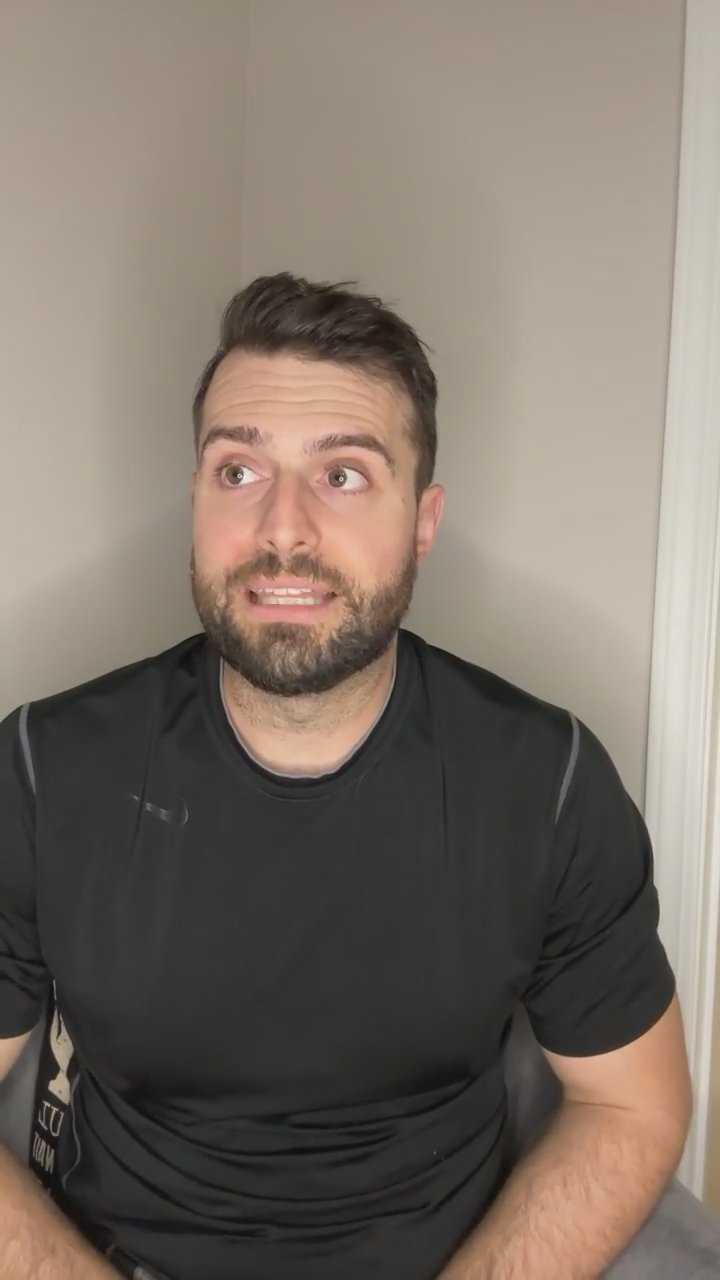
And we're live Cadre. This is Alex Mir, your host of from the Mindset podcast. This is wealth wisdom. Wednesday, 6:30pm Pacific. And we're talking about financial independence, living life on your terms. Thank you. For everyone that's tuning in and this is a very again and we're going, still going with the theme of balance within this conference content and then next month's content, stay tuned. It'll be more freedom focus for the Wealthlands on Wednesdays and Sunday Spark Sessions. Walt 12:34 welcome to the Live.
Thanks for tuning in. So financial independence is something that I'm very big proponent of because I feel like when we're younger, when we're growing up, when we're children, like there's a lot of control, right? Because we're, we're learning from our parents, we're learning how to grow up, we're learning like in school. Jules, welcome to the Live. Thanks for tuning in. We're learning all sorts of different things, right? But it's in the confines of control and we don't yet have our independence.
And a couple of the, a couple of the areas where we start to develop independence when we're in adolescence. Good evening, Jills. Welcome. When we're adolescents and become and or when we're full, full blown adults is T T. Welcome to the Live. Thanks for tuning in. I, um, is when we get our driver's license and when we open our own bank account that's under just our name. And so that's why it's so such a big deal. Financial independence is like, I'm talking whether you're in a relationship or not in a relationship.
Because of my background in banking, I've seen it all. I've seen people go through really nasty divorces. I've seen people that are just sold, they're like, nope, I don't want to do marriage. I, I want to be full, fully financially independent or, but again, most people eventually want to have a relationship. They want to get married, they want to have kids. So. Kelsey Schneider, welcome to the Live. Thanks for tuning in. And so financial independence is a big thing, right? Whether you're solo. Katie's welcome to Live.
Thanks for tuning in. Or whether you're in a relationship. So whether you just, whether you're someone that's managing money on your own, managing money together as a couple and your relationship, you're married and then adding in kids as well, then you've got another layer of financial planning as well, right? So it can get a little bit complicated, but with proper Planning, you can still meet your goals, you can still get to the next level of your financial plans, whether that be future vacations, building your kids, resps, registered education, savings plans, your future vacations or retirements, retirement planning.
So the reason why financial independence is so important is because it's also like personal discipline, financial so financial discipline. It's, it's like when you're learning how to drive, right? And then you finally, that you finally get the, your own drive. Your, you're yet the full license and you're starting to drive and then you've got that autonomy on your own and you're trudging, right. And you've learned enough so you, you can trust yourself that you're going to be able to drive safely on the roads on your own, right?
No supervision, no parents, maybe not even any siblings. Or maybe they're. Yeah, of course, because you can't, maybe you might not be able to drive with your siblings yet. But what I'm trying to get at is once you go solo for your financials, then that's another layer of learning too. So. But it's an amazing feeling. It's, it's, you know, you're, you're learning your own financial self discipline and it's a great thing. And it's, and it's something that takes time to build that muscle too, right?
Like we're building muscles in the gym. Like we're building our mind muscles when we're meditating our financial self discipline, managing and budgeting and paying, paying the bills, automating our investments, saving for kids, education. This, this is all financial discipline, financial self discipline. It all starts usually independently before you can join finances with your significant other, whoever that may be. So it all starts with you managing your own money first. So speaking about balance, the best way to get balance for yourself with managing your finances jointly or, or sole solely on your own is to balance it out.
To have different baskets for different things. I had some client in the past that had a checking account for each bill. They had multiple checking accounts, they had checking accounts for vacation, checking accounts for, for mortgage, checking accounts for groceries. And they, they did it that way you can do it any way you want. For myself I run like a daily, so I run a weekly budget usually every Monday or midweek. And I see where things are at and I have funds allocated after each pay. Cause 1, 1 week my wife gets paid and then the next week and then the following week I get paid.
Or vice versa. It sometimes rotates, right, Depending on where we're at. But basically, every other week, one of us is getting paid. So when the funds come in, they go like that. They go to pay the bills. There's one bucket, they go to investments, there's another bucket, they go to vacation, there's another bucket, and then the fourth bucket. Because we're, again, like I said, planning our trip to Japan. I might have mentioned that previous lives, but we're planning a trip to Japan end of October, so that'll be cool.
But the fourth bucket emergency fund. And I might not have talked about this in previous lives, but a big part of financial independence is knowing that you have enough funds for a rainy day, for vacation, for. To pay your bills. And I'm a big proponent of leaving enough of a buffer to cover those larger bills. I don't touch any of the money from pay until I know how much we have for bills. So I pretend like the bill. So I do my weekly projection of what's coming up that week and then even the following week to make sure that there's never a shortfall.
There's always a buffer, right? There's always a buffer. So here's the funds that are coming in, and then I always make sure that there's. Okay, we got a buffer. Here's the bills that are coming in. Then boom. So bills, vacation investments, emergency funds. So that's the way you got kind of got to do it. And automated is for financial. Your own financial independence is you've got to kind of automate things. It makes it a lot easier to manage. I still, again, like I said, I do the manual weekly budget where I just, you know.
And you can do this. I literally have this in my notes app. I have this in my notes app on iPhone. And I literally go through my phone and I have all the dates of all the bills, and I literally go, okay, mortgage, Visa, MasterCard. Okay, check that's done. Or what? That's coming up end of month. That's coming up mid month. And then you can. You can start to get really organized, and you can get ahead that way. And then another thing I've started doing is automating my other investments. So I started doing investing in stock again.
Just little bits. Little bits. So I started investing in Bell Mobility. They call them BCE on the Toronto Stock Exchange. So I have it set up on my wealthsimple app to do one share per month. I'm just gonna do that for now because again, that's within. That's within the. The budget, that's within the cash flow to do so with that it works out. So I'll get like 12 shares a year. Right. And it works out to a little like around like small, like 400 bucks or something like that. But until I know how much additional cash flow I want to set aside because those shares are really reasonable, they're only 30 bucks a share.
So I'm using that as another again investment goal for myself. Right. I got my group RRSP or 401k right. Like it's called in the US I've got my group RSP through work that's all automated. That comes off. Yeah. Pre tax like before tax off that check and then employer matches it. So it's basically X amount is coming off per check. And over here now I've got a stock that I'm going to automate like one buy one share a month for 30 bucks. So. So yeah, so that's, that's how you balance your financial independence.
Right? But when you're first starting off, if you're listening to this live and you're like, well I don't have as money in those bills, I can invest a lot more. Well then great, then you can automate things even more and put more to, towards your investments and then your, your, your future goals. Right. And again, three variables we're always playing with. Time, objective and risk. Hopefully. Guys all enjoy this live and thanks for tuning in to this live and stay tuned for this Sunday Spark Sessions 6, 30pm Pacific.
Again, this is Alex Mir, host of the mindset podcast, my YouTube channel at mind Dash Sep on TikTok at Mind Sep and then Instagram as well. Mindset as well. And if you're new here, you've never seen my live welcome. And if you're, if you've always, yeah, good evening junk food junkie. And if you've been watching my lives for a while, I appreciate you. Thank you all for tuning in. Have a fabulous Wednesday evening. Ciao. Sorry, itchy legend.