The big thing in relationships these days is all of this lingo about regulation, and grounding. And emotional sharing. And lots of other things. So what do you do when all of that becomes a barrier to intimacy instead of an actual conduit.
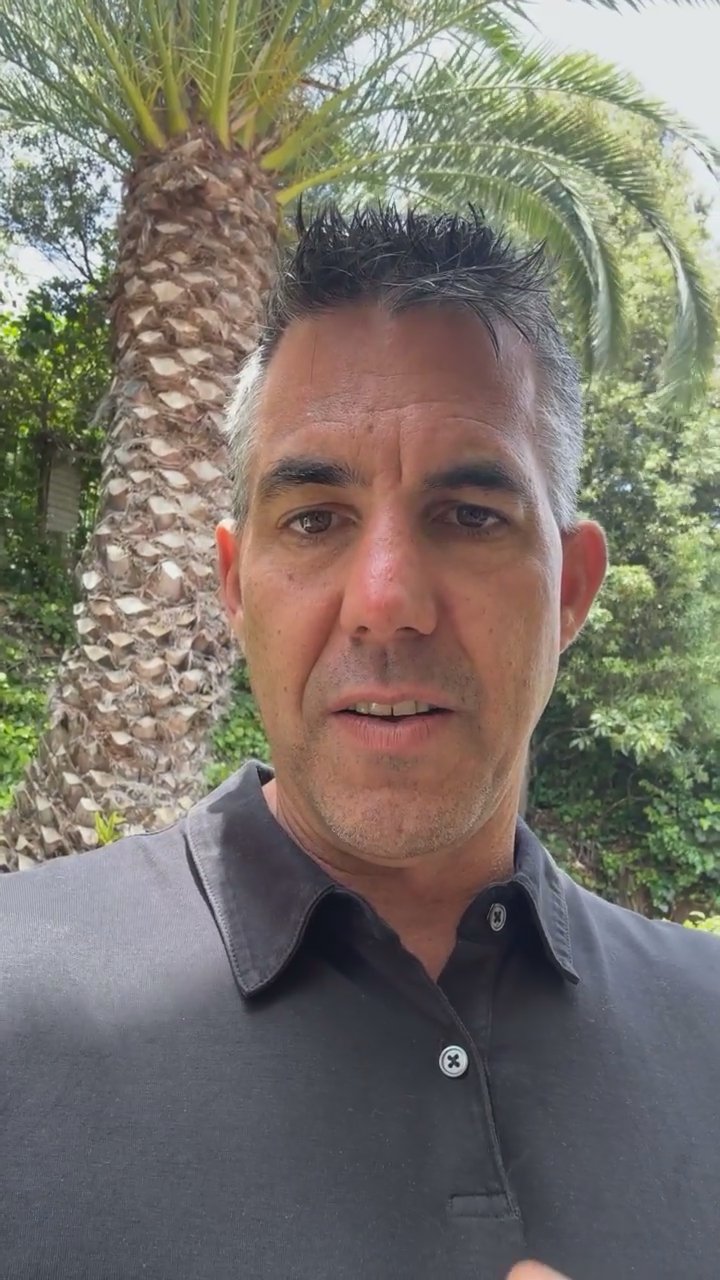
Kaidrosphere: What a week it's been. I had my daughter's big volleyball tournament. I celebrated 31 years of sobriety on Wednesday. Found out a friend of mine died this morning. So it's like all of life has been happening in this week.
Just because you're processing something with your partner doesn't mean you're creating intimacy. Find a trusted mentor or friend or sponsor or somebody first to check in with them. Go to your partner as a mature, grounded adult whenever you can.
All right, Kaidrosphere, another week. Wow, what a week it's been. A lot of stuff has happened in my, my little world. I mean, it's been a full week. I had my daughter's big volleyball tournament. Our team played amazing. I celebrated 31 years of sobriety on Wednesday and found out a friend of mine died this morning. So it's like all of life has been happening in this week, I guess, as it always does, you know, and lots of other things to, you know, have happened as well. So it's really a powerful thing.
And, you know, I think for this topic, right? So, so we're, we're off a week, but this is a five week, this is a five week month, so I missed one. So normally this would be conscious living and it is conscious coupling. And you know, it's this, this topic of couples processing and communicating. And like, what does that mean? Like, like when is it effective and when is it not effective? And I was talking to a very good friend who's going through a rough breakup, and he and his partner, like, they really tried to communicate and even when they were using the language of regulation, and I'm regulated, I'm activated, I'm this.
And it happens with my wife and myself as well. 21 years of marriage and we're still, we get activated. And you know, we like, try to, you know, we try to pause, we try to not say things that are mean, we try to not say things that we don't mean. But what I want to talk about is this idea that just because you're processing something with your partner doesn't mean you're creating intimacy. In fact, here's what I've learned. This is the biggest tip that I would suggest, right? I've always promised that there's always one actionable item that I always want people to be able to leave with anytime I do anything, really any presentation or any live stream or anything.
And this one is really simple for the most part. If you've got something you really want to process or really need to share, think you need to share with your partner, Find a trusted mentor or friend or sponsor or somebody first to check in with them. Was talking to my buddy and he told me about, like, this thing that he shared with his partner and how important it was for her for him to share with him with her how he felt and this and that and all that stuff. And it's, and it's, there's some truth to it.
But what I told him is I said, you know what? Over the years 9 out of the 10 times where I feel like I have to talk to my wife, I have to share something with her, she has to hear me. Nine out of the ten times these days, when I check in with somebody else, when I kind of bounce it off of them and ask them, what do you think? A lot of the time, most of the time it's like, you don't need to share that, you don't need to talk to her about that. In fact, why don't you just give her a hug the next time you see her?
Now some people might be hearing that and saying like, oh, so you're saying we don't need to communicate, we don't need to process things with that? No, I'm not saying that at all. I'm just saying don't over communicate, don't throw up on your partner and don't make your partner responsible for your regulation or for your emotional grounding. That's what I'm saying. Go to your partner as a mature, grounded adult whenever you can. That's what I have to learn. Like when I am activated and that wounded part of me starts to take over, that's what I have to remember.
I have to remember like, okay, now is not the time to have the conversation with my partner. Now is the time for a timeout. Now is the time to pause. Now is the time to go play my guitar. Now is the time to go for a walk. Now is the time to call somebody else. What it's not time to do is to try to have a conversation, to hash out with my partner, whatever's being activated by my interaction with them down the road, you know, an hour, couple hours, next day, whatever, to say, hey, you know, can I talk?
Or like for my wife and myself, we have weekly check ins, right? We have weekly check ins that we learned from friends. And those weekly check ins. It's a great format, right? So here's another actionable item number two, a takeaway. This works really well if you're in a committed relationship. Try this. You get together, one person talks and the other person only listens. And at no point can the partner who's talking get into criticism or blame or anything. And if the person who's listening thinks that it is getting into that, then you can raise your hand and say, I'd like you to restate that or I'd like you to start over.
That doesn't feel good to me. And they are required to do that is to just restate what they're doing and say it a little more sensitively. Then when they're done sharing, you share back what you heard, and they say whether it was accurate or not, and then you switch, then that's it. There's no conversation. There's no other stuff. It's just. You're just kind of sharing. And we've been doing that, and that's been really helpful for us. And, you know, it's about building trust and it's about being more vulnerable, and it's about intimacy.
And it isn't about dumping, you know, it's not about dumping something, you know, in our check in that I didn't have, know, have a chance to talk to her about or want to talk to her about or something like that. You know, I have to make sure there's no passive aggressive sort of thing. But I think the main point, right, the main point is in. In today's society, with all of these therapists, all these coaches, all of these people, a lot of us on Cadre, right, A lot of the people, you know, with the best of intentions, we give advice, we give guidance about, you know, being grounded and know your activation and your trauma and your trauma bonds and regular, you know, whatever, right?
Nervous system stabilization, nervous system regulation, all this stuff, right? But my point is the myth, the misinformation is that. That somehow we need to share all of that with our partner in order to have greater intimacy and greater connection. And I just don't believe that to be the case. We share some of it, and it's all about timing. It's so, so, so much about timing, but a lot of it, it just. It doesn't need to be shared, man. It's just. It just needs to go into the wind. It just needs to go into the wind.
That's my experience and. And that's what I've learned in my marriage with my partner. I used to. This is. This is funny, telling on myself. I used to throw up on her all the time emotionally. And I thought I was sharing and I thought I was creating intimacy. And one time she just looked at me and she just was like, I can't. I can't. You're suffocating me. Well, you know, we learn. We grow the anxious attachment married to the avoidant attachment. That's. That's important information. Really, really, really important information to have as well.
So wishing all of you in Cadra Sphere, a wonderful weekend, Memorial Day, to remember and, you know, to remember all of those who have served, all of those who have given and sacrificed for our country, other countries, all those who have died and all those who are living today, tortured, haunted by their experiences, that they might find peace on this Memorial Day and every day after. So wishing you a wonderful weekend and take care of.