What do you do if you regularly smell booze on a co-worker.
You don't have to treat somebody with super kid gloves when you sense a problem. Start with the attitude of, I just want to make sure you're okay. You can easily get an assessment. The real message here is don't be afraid to say what's wrong.
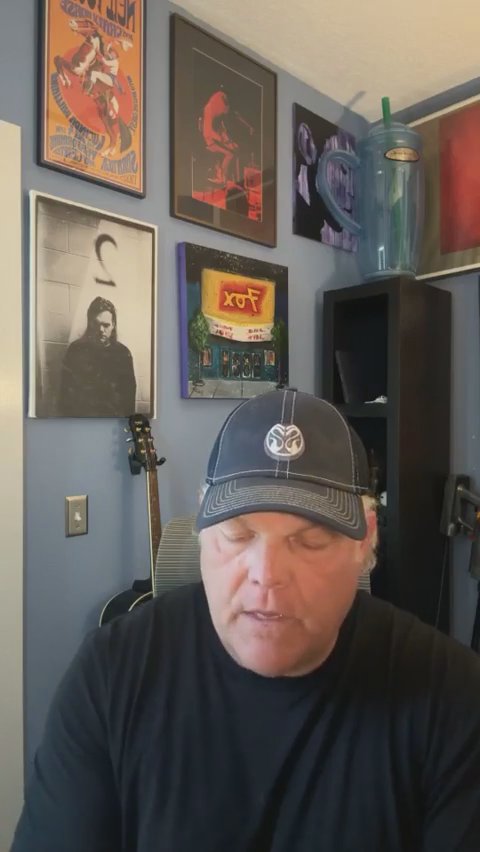
Hey, guys. Chris here from Cadre. It's been a minute since I've been on. Been quite busy. So today by a friend of mine named Luke. Buddy friend. Something kind of thing where you sense a problem or, you know, you smell alcohol or you see a problem with work performance or, you know, something that triggers a concern. Now, usually what I would say right off the bat is, is that you don't have to treat somebody with super kid gloves. You can approach them and say, hey, man, I'm concerned about you.
It's not like you're going to break it or ruin the possibility of a response that I, you know, they might. I mean, they might tell you to screw off and they might get upset, but that no one's going to die, so don't be afraid to say something. If you're really concerned about a safety thing, then that's different. Like, if you work in a manufacturing environment or something, maybe around some dangerous situations, and you're worried about the person's safety, that's a different thing. You gotta go to human resources, your boss, or you gotta say, hey, man, this isn't safe.
But if it's just something kind of personal and most of the time. So I would recommend very strongly that you start with the attitude of, I just want to make sure you're okay, and if there's anything I can do to help, as opposed to, I think you're an alcoholic and I think you need to go to a. I think you need a treatment, and I think you should quit your job. And, you know, the forceful sort of directive thing. Addicts and alcoholics don't love it. Like most people, when somebody comes rushing into their world to say, you need to do this, this, this, and this, which is kind of why AA is built on it.
So dangerous with fentanyl, ridiculous. I mean, you should stop trying to shoot yourself in the face, like, with fentanyl. So there's an attitude about it I think is important. And the. Probably the. The best thing to do, or the next step, I should say, would be if someone's responsive, or maybe the boss or the friends at work and everyone kind of wants to get together and maybe they want to stage an intervention, I would expect that people will probably want to do too much too fast. So try to slow that down a little bit, because you can easily get an assessment.
You can send somebody to a chemical dependency counselor. They're all over the place. And you can say, I need a chemical dependency assessment. And a lot of treatment centers require them to get admission, not hard to get. Takes a couple of hours. It's basically like sitting down with a shrink, but it's a little longer. And there's some criteria that they use to determine if you really meet the criteria as an alcoholic, and then they can make recommendations going forward. That way you have a professional saying, hey, I think there's an issue, versus my coworker thinks there's an issue.
Who's not an expert? Another thing to think about is to go at this with a non judgy sort of approach to say, look, I'm not putting labels on this. I'm not asking for anything specific. I'm just saying I'm here. Maybe you've got a friend who's sober, maybe, you know, I got. I got. I got some experience with this. m.. I. I mean, there's some context here, right? You smell booze every day in the morning. You got it. Clearly there's an issue, right? Benson. To work, I'm always borrowing money. You know, I'm falling asleep.
I mean, there's a level of stuff that you could see in this one. The question that was posed to me was kind of that simple, hey, I smell booze on my coworker, and I don't, you know, there's a million ways this could come into your purview. And you could have be like, hmm, I wonder if I should do something. I wonder if I should say something. The real message here is, don't be afraid to say something. Because what's worse, you don't say something, and it gets really bad really fast, because this is what we do know about addiction and alcoholism, is that it's progressive.
You get to a certain point of craziness or consequences or shittiness, so to speak, and then you quit for a while, but then you go back and you start right there again. You don't start back at, oh, I just drink a little bit too much sometimes. You get to the point where you start right where you left off, in other words. So it gets worse from there faster. So I'm a big believer in nobody's gonna. Somebody might be a little p***** at you for saying something, but it's better than the alternative.
So some of the subtle things that you might not see if somebody is drinking a lot, and you like lack of attention to other things, like laundry or game, like not doing stuff at work, not doing their life, like the administration of life just goes away. There's no. The banking, the car, the gas, the money, the dog. Everything kind of just implodes slowly. So if you see smoke and you think there's fire and you see some of these other elements, like, wow, yeah, he's always late or she's always later.
She never goes, she never meets us. Or if we go out to happy hour, she's drunk or, you know, s*** faced in the first half hour. There could be a whole bunch of other stuff going on that would give you the indication that it pull a fire alarm on the wall and take the consequences of making everybody mad. And, you know, somebody's p***** because you. You said, oh, Jimmy's an alcoholic, or, you know, got twisted into some drama at work. It's not. It's not worth not trying. That's my message. It's too dangerous not to say something.
I mean, just, you know, it doesn't have to be. I'm shooting fentanyl every day, and I think, you know, this. My likelihood of overdose is crazy. I mean, you could just be drinking three bottles of wine at night and it takes 20 years, but you have a s*** life for 20 years. The damage alcohol does is. May not be immediate like a fentanyl overdose, but it's horrible and it's ugly and it's terrible, and it's a crappy life. So think about it in these terms. If you do say something, you might, if nothing else, save some from.
Save someone from just having a really crappy next couple of years. I mean, it could be just that. So don't be afraid to say something. Go for it. In my opinion, it's better than. It's better than not. So there's a little nugget for you. Let's see. Sign up. Sign in to Cadre and listen to some really, really helpful people with lived experience. There's a lot of us out there. Take care.