A strategist plans but a joyful one plans for joy. When did you last feel rested? What are you good at that comes so easy you assume it doesn’t count? Who’s in your corner? Whose rules are you still following? What made you smile today? We’ll tackle these questions with heart and extend an invitation to experiment trying something new and joyful.
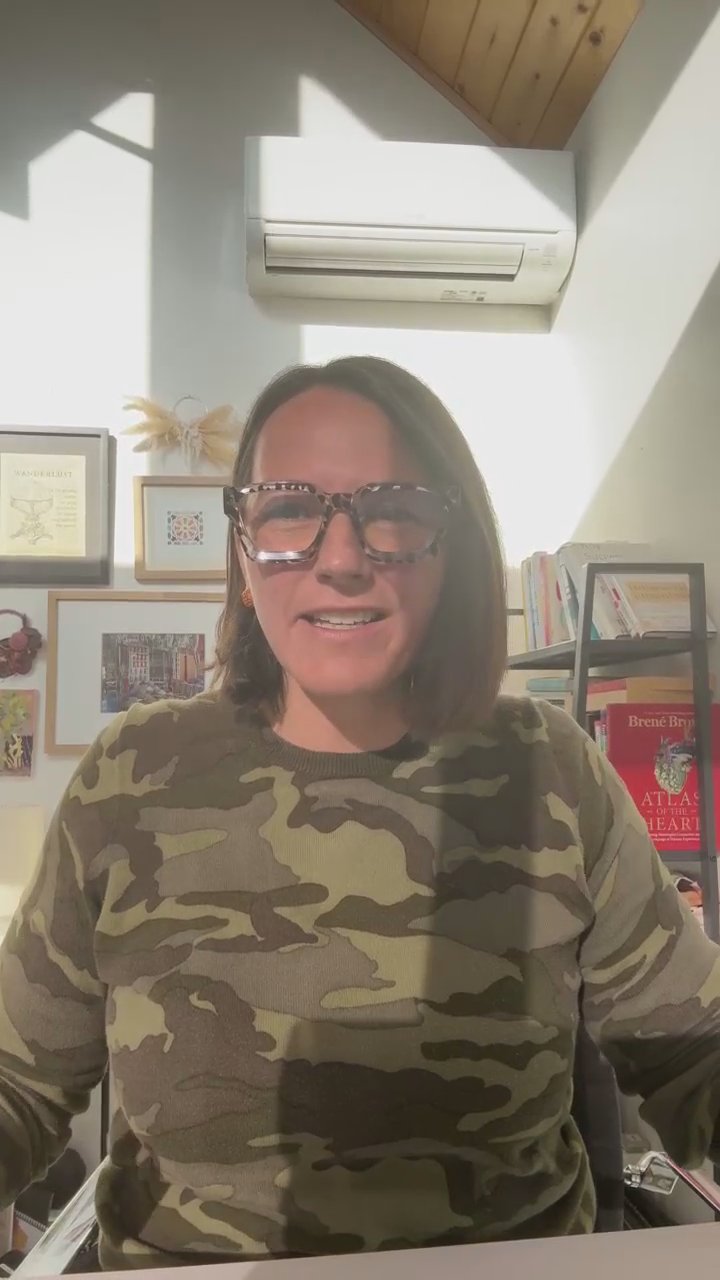
The host opens the live with a friendly good morning and invites viewers to notice how their body and spirit are feeling right now, emphasizing there are no right or wrong answers.
The host explains their CliftonStrengths background and why they call the stream Joyful Strategist, describing a glass-half-full default and how that can sometimes verge on toxic positivity.
Through a career example, the host recounts how rumination and poor sleep met with forced optimism, showing how habitual positivity stopped being helpful and contributed to a mental health crisis.
The host shares a turning point when a cousin gently confronted them about canceling plans, which helped break the cycle and led them to seek the support they needed.
The host asks viewers to identify a strength people notice in them and observe whether it's helping or hindering wellbeing, encourages comments and topic ideas, thanks the audience, and signs off.
Hi, good morning. I'm coming live today for your midweek morning boost. First, let's do one more check-in to see how you're feeling this morning. No right or wrong answer. How's your body feeling? How's your spirit? All emotions are welcome and all are welcome. So last week I chatted about positivity. And for those of you familiar with CliftonStrengths, this is my number one strength. And a big reason why I've named this weekly live stream the Joyful Strategist. See, my default mode is glass half full.
And at times, this has really verged on toxic positivity. When I was in early adulthood, sometimes when I'm not feeling my best, even to this day, and this feeling of being really uncomfortable with negativity. And what I've come to learn is that often our biggest strengths can also be our biggest Achilles heel. Have you ever experienced this? Earlier in my career, I worked for a very large corporation and I started having trouble sleeping. work-related stress just could not shut my mind off, just the ruminating over like thoughts, thoughts.
And so I would have these, really poor night's sleep. And then when I would wake up in the morning, because at times it didn't feel like I slept at all, I'd jump in the shower and my positivity would kick in and be like, well, I can do it. You can do this. Let's power through the day and tonight you're going to sleep better because you didn't sleep well last night. But that starts not to work when it's the norm to have poor night's sleep. And then this forced positivity actually drove me further into a mental health crisis, thus becoming more of an Achilles heel than something that was helping me.
And it wasn't until my cousin lovingly told me, she's like one of my best friends and knows me and it was my birthday and we're supposed to go out for brunch and I am like a birthday person and I canceled. And so she actually drove away, drove to my house that day and was like something's up and she lovingly told me that she was concerned and felt like something was really wrong. And that sort of helped stop that cycle. And there's a lot more to that story. But really to seek the help that I needed.
So my invitation to you for this week is to think about what is one of your strengths. You don't have to know CliftonStrengths or have taken it, but what do people come to you, recognize you for? Something that comes naturally to you and observe if it's helping or hindering your well-being at that moment. And just start to get intentional about that. Okay. So that's what I've got for you. Thank you so much for tuning in, especially as I start this up. Please drop in comments on what has resonated, if there's any additional topics that you'd want me to chat about.
I'd love to hear from you. Okay, have a great week. Bye.