Working with leaders on their leadership psychology, with teams, with sports teams as well. Three things of three is three lists of three. Always a good Monday tasks to start planning everything. Whether they feel charismatic depends on how they talk about their goals.
Hi everyone. Happy Monday. I hope you had a great weekend and you're all all doing well. I do a lot of work with industrial organizational psychology. Working with leaders on their leadership psychology, with teams, with sports teams as well. Hi, update.
Three things of three is three lists of three. What are three things that you are carrying on your back right now halfway about halfway through your Monday? And what are three intentions that you have for the rest of the day? Always a good Monday tasks to start planning everything.
This week I'm talking about charismatic leadership sometimes gets a pretty, can get a pretty bad rap. But I'm looking today more at the brighter side of charismatic leadership. Thanks for joining.
Leaders who truly sound and act like us, you know, us as a group, are seen as more charismatic. Whether they feel charismatic depends on how they talk about their goals. And that kind of comes down to showing some empathy.
Becky asks, what is the definition of charisma? It's really just being seen as someone who is going to influence other people more easily. Research shows it's not the way a person acts or talks, but how they relate to us. Use charisma as making the group as a better team.
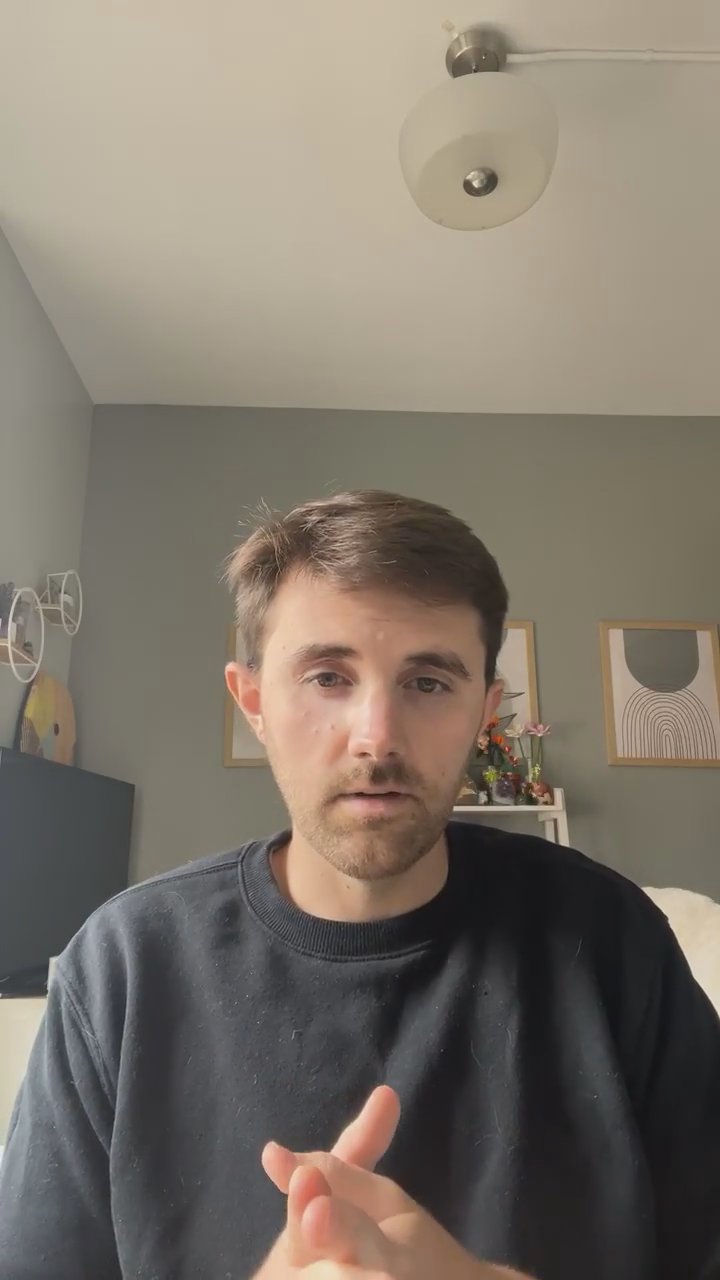
Hi everyone. Happy Monday. Halfway through the day already. Already flying by. I'll give it a minute. Wait for some folks to join us here today. Yeah, I hope you had a great weekend and you're all all doing well. Okay. Hello, welcome. Thank you for joining. Hello. Hello. Okay, so I'll get started now. Just first off, introduction. My name is Matt Tappe. I do a lot of work with industrial organizational psychology and that's working with leaders on their leadership psychology, with teams, with sports teams as well and with athletes all about kind of the mental side of business and teams and in sports as well.
Hi, update. Hope you're having a good Monday. Okay, so I'll start things off with how I always start my lives is with three things of three. Just a good practice to kind of ground yourself and set yourself up for the rest of the day. So three lists. Three things of three is three lists of three. So the first list are what is three things that you are experiencing right now? Could be feelings, emotions, thoughts, could be a sensation. Cold, hungry, could be anything. What is three? Three things that you are carrying on your back right now halfway about halfway through your Monday.
Okay, so you have three things that you're experiencing right now just to, you know, pay attention and give attention to yourself. Then what are three intentions that you have for what are three intentions that you have for the rest of the day? So what are three things that you want to get done for the rest of the day? Could be something related to your other list. But what are three intentions that you have? Maybe something you want to get done, maybe some way you want to show up, you know, in a meeting or when you're hanging out with somebody later.
What are three intentions for getting something done or for how you want to show up today? And the last is what are three things that you are grateful for? What are three things that you're grateful for? Kind of a good boost and you know, seeing the optimist side of where you are right now. Sort of three things that you're grateful for. Becky said indecision, productivity and comfortable Jen said movement, new biz development and plan. My week well, always a good Monday tasks to start planning everything.
Okay so as you maybe want to film more in the chat, I'll get back to them later. But just keep thinking and really putting yourself in a good mindset for the rest of your Monday as I'll jump into kind of my lesson or story that I have for you. I always bring know three things of three and then a bit of research as well. What is going on right now in the leadership research. And right now I'm going through the facts of leadership. So if you've seen my past couple lives, we've been going through the facts, which is fairness, authenticity, charismatic, and trust.
So this week I'm talking about charismatic leadership sometimes gets a pretty, can get a pretty bad rap as charisma is often tied very closely with kind of more narcissistic leaders. But that will be. Could be a whole life in itself. And I won't get into that today, but I'm looking today more at the brighter side of charismatic leadership. I speak wonder. Thanks for joining. So, yeah, let's jump into charismatic leadership. So so far, so, you know, fairness, authenticity, and then trust, which I'll be talking about next week, are all important for leadership.
But one point that often leadership writers talk about is the most important and essential is charisma. So some claim that a leader who has it is assured of success and that a leader who lacks it is doomed. But it turns out that charisma isn't as mysterious of a superpower and that only few and lucky people have it. It's not true as it was believed for, for the past hundred years as it's been written about, but really it's been talked about, you know, all the way back to Shakespeare, his charisma.
So instead, it's actually something that we give to leaders when we feel like they are one of us and then when they reflect our values and when they show us hope and, and show us that hope. So, like think about a coach who grew up in your town. Coach students still talks about that, you know, the field that you used to play on, you know, you naturally feel that they get you and that you're drawn to him. That sense of that shared background, that shared identity. And this is what psychologists called a prototypical leader, where that person shares your identity but also is, you know, is exemplifer, exemplifor of that.
You know, they're that role model of that and so that they fit the mold that they are the role model of that group. So that researchers have shown that leaders who truly sound and act like us, you know, us as a group, maybe it's a team in a business or maybe it's a sports team. When the leader shares the same values as us, they are going to be seen as more charismatic. So no matter how fancy or simple their speech is, think of Bill Belichick. He's not one to give that rah rah speech, but he really builds that sense of the team and that us.
And he can go in there and just be the flat level Tony is, but that is seen as charismatic, as he is seen as, you know, that prototypical member of the group. But so if someone comes in who is different, so maybe they kind of grew up somewhere else, or maybe they don't share the everyday experiences that you share. You know, they don't seem to be part of that group. Maybe they're, you know, coming from a different part of the company. To join your team and now be your supervisor. Whether they feel charismatic depends on how they talk about their goals.
So if they try to talk in transactional terms, so do this and you'll get this. Do this work and I'll do this for you. That tends to get more tuned out. But if the message is transformational, so focusing on what we can achieve, what are our, you know, what is, what's this? It's this big change that we are going to do, emphasizing the us and the we. Suddenly this new person, this outsider, also feels like one of us. If they're talking about us, this. This charisma is also true. So in other words, charisma is less about flashy speeches or, you know, looking, you know, really stunning or having a really commanding speech, and more about feeling that they are one of us and going to be really looking out for our best interest.
So it's really a gift that we give to leaders when they. When they reflect the collective story. You know, see the struggles, acknowledge. Acknowledge those struggles, you know, know the dreams and where this group wants to go and share that. That purpose with them. So it's not just all about leader or it's not just, you know, I do that, you do this, and I'll give you this, but it's about how are we going to make this big goal happen? So what does this mean for you and for me? Whether we're leading a team at work, a community project, or even just, you know, our family, you know, we can first be relatable.
And that kind of comes down to showing some empathy. You know, share the small personal details that you connect to, how you connect to other people, acknowledge the emotions that others are feeling, really ask how people are doing, be relatable, and share and share about yourself as well. Use we language. So instead of I need you to or you should say we can or together will. That shift reminds everyone that we're on the same side, working towards the same goals, and then also focus on the shared values and vision.
One huge aspect of leadership is taking the time to understand the people who you'll be leading. That way, you know what the shared values and mission is and what the goals are, and then focus on those shared values and vision. And that's how you can create a better sense of a group. And also going back to authenticity, it's going to make you seem more. More authentic. Becky asks, what is the definition of charisma? There's many different definitions of charisma out there, but essentially charisma is really just being seen as, you know, someone who is going to influence other people more easily.
Word influence is a big one with charisma, as it's just a way of how can you influence other people through either how you talk, what you do, and behaviors. But as charisma has been talked about the past hundreds of years, it's been seen as this person has charisma. Someone like Brad Pitt has charisma. I just finished reading green lights. Matthew McConaughey. Just listening to his voice, you can kind of hear the charisma. But as we do more research, it's not actually, you know, the way that person acts or talks or looks, but.
But it's how they relate to us and how they make meaning for us as a group. So it's kind of removing that this person is all great and powerful with their charisma, but instead using charisma as making the group as a better team, making them more collective. So that's all I have for you today. I hope you have a great rest of your Monday, and I'll catch you next week when I go over trust. And that will be the end of the Facts of Leadership. Thank you for joining. Have a great week.