How to show up for the addict in my life
Chris Edrington: How can family of alcoholics and addicts be the most helpful? He says treat them like anybody else. He says show up as who they are. Edrington says this approach gets the person to normal functionality quicker.
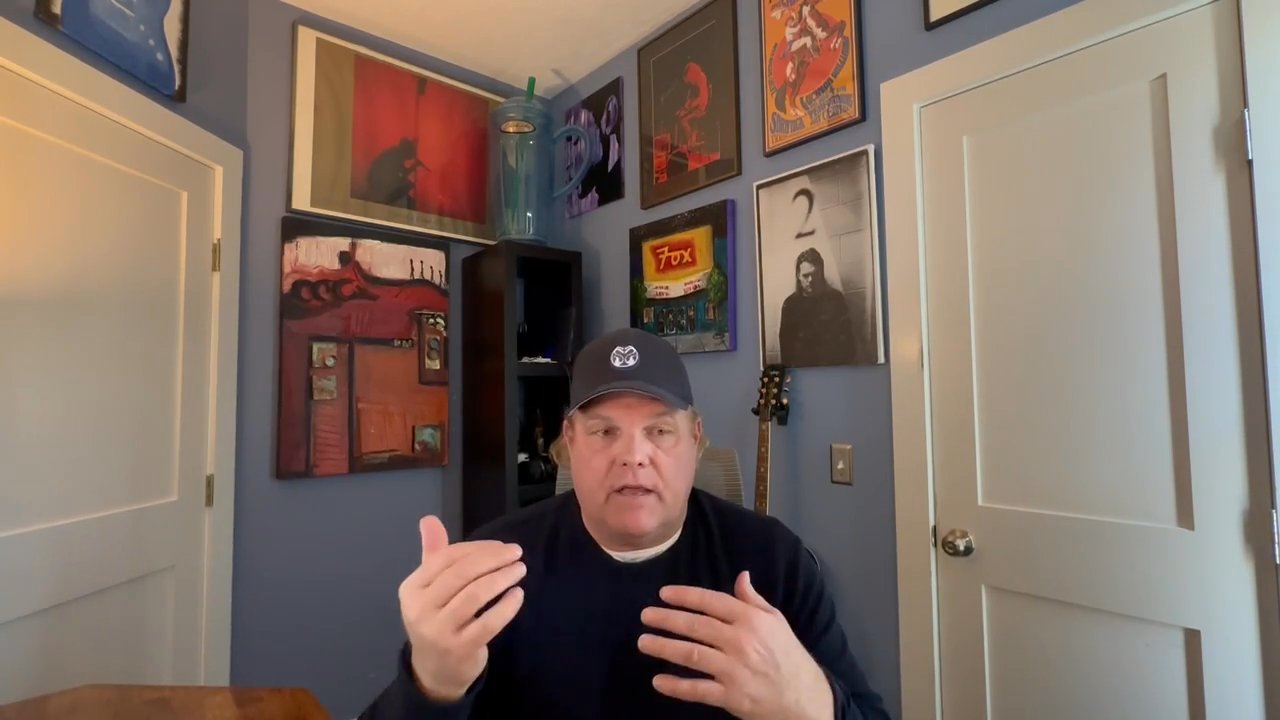
Hey, guys, Chris Edrington here from Cadre. And I'm back with a similar video about what we did last time, which was the small wins video. And I got to thinking about those categories. We talked about where the small wins were and that those really are the main categories where families of alcoholics and addicts can engage and be part of the process. That's the area where the family can really be helpful. So if we talk about jobs and parts of early recovery process that are normal things that are what everybody does, like having friends and having a job and showing up right in life, like just being at the family picnic and showing up at the birthday party or at grandma's event at her house, and things that you would talk about if it was your brother, uncle, cousin or friend who is in recovery that you would talk about normally with them.
Those things are super helpful coming from the non professionals. So if I'm a person in early recovery, living in a sober house, I've got a bunch of rules. I just got out of treatment. Whatever, whatever my status is, I'm going to be in some varying degree of a structured living environment. Even if I'm living on my own, I probably still have things going on like the therapist and the meds, and I'm. Maybe my parents are sort of keeping me to a tight budget, or there's usually some structure after treatment, no matter where you go for the first two years of your recovery.
So if we were to give the best advice to those people outside, family members, the friends, in order, how can you be the most effective? How can you be the most helpful? One is treat them like anybody else. Talk to them like a friend, brother, cousin. Don't talk to them like somebody who's in the hospital. It's not helpful. And as addicts and alcoholics, we're super sensitive to that. We've had enough of that, right? In the early, early, early days, treatment in the crisis mode, etcetera. So let's think about maybe a top three categories, like functionality, like a job, like are you happy?
Do you have friends? Do you have things to do? Is there something you and I can do? Where can I show up? Right? Everybody in the person's life, in the addict's life, should show up as who they are. Show up as a friend, show up as a dad, show up as a brother, cousin, behave the same way you would to anybody else. Otherwise you're putting on some sort of hat where you think you might be helpful. And there's some uncomfortable piece to that for the attic thinking, geez, my brother's talking to me in a weird way.
Right. So this is really good advice. And if you have your loved one in a program where you can communicate with the staff sometimes that it's not always, but sometimes that's possible and get on the same front. What I mean by that is something my staff and I do, is we coach the parents very intentionally to stay in the parenting role, the brother, the sister, the cousin, and we say, let us be in the role of the person who says, hey, did you go to meetings? Did you do this? Did you do that? So I want parents to be parents, grandmas to be grandmas, brothers to be brothers, and treat your.
Your loved one accordingly. What that does is it gives the person in early recovery an opportunity to feel like, okay, I still have this. This interaction, this inclusion, and this sense of belonging to normal life. I just also have this other thing I'm doing. Like, you know, maybe you were going to get some treatment at a hospital, maybe you broke your leg and you're getting a lot of, you know, people bringing you casseroles, but at some point you got to walk on your own again. And I want to stress that this approach gets the person to normal functionality quicker and less interfering with the person and treating them like they're always sick or always in crisis slows things down.
So not everybody does this at the same speed. But I think it's really important to get the really good advice. If you have the opportunity as a parent, brother, cousin, sister, wife, whatever you are, get some advice from a professional and enter the process and engage with the individual purposely on certain levels, mostly just as you would otherwise. In other words, don't treat them any differently. And to the degree that you can do that, makes everything feel and move a little bit more fluidly.
I'm a big believer that we meet people where they are in recovery and we give them the assistance that we think they need and not too much and not too little. There's always going to be people who are like, I'm not getting enough help, or leave me alone. You're intruding in my space, and there's going to be everything in between that's totally normal. What I'm trying to say here in this video, in order to be helpful to people, is that there is a way for you, no matter where you are in that person's life or who you are to that person, to engage and to be the most helpful.
And if I was to go around to everyone in the family and any stakeholders in someone's life, who's in my program and say, I want you to behave this way. It would be a little bit. A little bit much. So the general idea here is get some education. Show up in your loved one's life the way that you would otherwise show up there, but get some advice on what kind of subjects might you might want to avoid. And where can I really be inspiring? Where can I just be normal? I think a lot of people, after they've gotten out of treatment and they've gotten a few months in recovery, really want to feel normal and want to be talked to that way.
It can be super helpful. And I know that that sometimes seems maybe a little ridiculous if somebody keeps relapsing and keeps drinking, but I don't think that it makes a. Or is it helpful if you turn and become somewhat of a professional coach when you're really a brother or an uncle or a cousin? Really helps more to stay in your lane, so to speak. And I'm a big fan of telling people like it is. I'm not trying to say don't say things you want to say to your loved one. I think you should say what you feel and say what you think and be open and honest.
I think it's the best way to treat people. And I've seen it work. I've seen it work a number of times where people really do get better when they've got sort of both going on. I'm getting the advice from the professionals, but I'm also getting the support from my friends and my family. And it feels kind of normal, and it feels like real world stuff. And I feel less like a marginalized person. Like, I'm in this special part of the work community, and I have to, you know, walk in the margins of society.
Addicts and alcoholics are already doing that to themselves. They're already marginalizing, marginalizing themselves way more than they should, and we don't want to contribute to that. It was a thought I had about the last video, and I wanted to make a little bit more in depth piece here. I'll continue to do that. I'll continue to push further into certain subjects I make videos about. Once again, I'll remind you that there's lots of people on Cadre who have incredible lived experience, and they can be helpful in a lot of areas.
Sign up. Sign in, take care.