The counselor at your treatment center has recommended Sober Living after treatment. What to know if this is you’re first time in this process.
Chris Edrington: Why should I go to sober living? It's about community. The home should be a platform to create, create the opportunity for that engagement. He says the sober living experience has to be about proximity, engagement, involvement of the community.
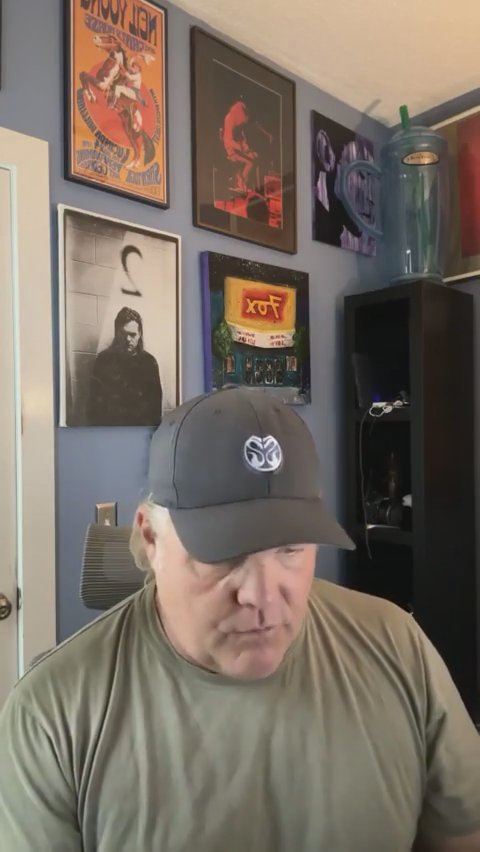
Hey, guys, Chris Edrington here from Cadre. And of course, I got another nice one for you. I was just in the east coast. I was talking to a bunch of treatment providers, interventionists, different therapists, somebody who runs outpatient, inpatient, a whole bunch of us to visit this new treatment center in Pennsylvania. And the discussion was kind of fascinating for me in terms of what different professionals around the country think about when they make a referral to sober living. So specifically, you're finishing primary care, and your counselor or someone says to you or your therapist or whomever the clinicians are in your center say, we think you should go to sober living.
So what I wanted to put in front of you for when making this choice is a couple of very clear, important things to think about. Whether it's your first time or your 13th time, we're going to the sober living environment is about. So if you're picking a sober house or you're trying to understand, why should I go? It's about community. It's about engagement in the community. The home should be a platform to create, create the opportunity for that engagement. So if you're trying to pick sober living, the first thing is where.
Where are there a bunch of sober people that I can hang out with and learn from and live with? The next thing is, how much does the staff at the sober living engage in helping others engage? Or is it just a housing operation? Are you just going to sleep there and you're kind of on your own, or are they going to help you with that engagement? What's the cost and how nice the house is? And these sort of external things I know are easy to get caught up in. Not as important. Doesn't mean you got to go to a crappy house in the hood, because it's better sobriety.
That's not true. There can be really nice houses on the beach in Malibu that cost $10,000 a month, and maybe the managers and the people are really thoughtful, and the community is good and the momentum is good. It can be in any setting. Those external issues aren't really the focus. And I think one of the things I noticed in the east coast this weekend or the last couple days was that a lot of people pick places near home, and I don't think a lot of people really like to go that far away. I would recommend that you pick where your sober living is based on how big the sober community is, how vibrant it is, how many meetings there are, access to them, like the ease of getting around and that kind of stuff.
There are pockets in this country that are incredibly tight. But there's really sober communities everywhere. I mean, I've been involved in it in New York City and in Denver, in St. Paul and Minneapolis, and even up in the mountains in Aspen and Vale. I've been involved in going to meetings regularly in different places where I know where they are, I know where the people are. And the most common thing is if you went to the biggest meeting you could find in the middle of nowhere, and you raised your hand and said, I knew I need people, you're going to get those people.
They're going to show up for you. So the sober living experience has to be about proximity, engagement, involvement of the community, not just a place to live. At my operation, we changed our terminology from sober housing to sober living years ago because it's really about the living part, the lifestyle part. So if your counselor at treatment has given somebody a recommendation to go to sober living, think about these top few things. First, what community is the house in? Can I talk to the people who live there and see if there's a vibe of community and unity and people getting sober together and some positive energy?
Do I have access to things like Starbucks and jobs and, you know, having a sober house just on the bus line? Not really enough. Not everybody doesn't have a car. So those aren't really the criteria. The criteria is more about the community. And are there things going on in the community besides AA, like all kinds of activities and lots of sober people? Because here's the thing. The most effective medicine and recovery is others, period, who are ahead of you. And everything you do, where you live and what you do with your time should be in an effort to engage and dive in to that community on all kinds of levels.
Where you work, who you hang out with, we're not talking about. It's not all meetings in AA, who are your buddies and your friends, and what do you do for fun? Where do you go? What's your coffee shop? Because very soon on in recovery, especially in the first year or so, what really matters is that you start to feel like, I'm this person in this town. I have this life. That's my coffee shop, that's my driveway. Those are my friends. It's my gym. And it normalizes. But sober, that is rocket fuel.
What I like to say, there are certain things in early recovery that act like rocket fuel and creating that normality for yourself within the sober community. Enormous. Absolutely enormous. So if you're a counselor and you're making these recommendations, look for those communities you could go to a sober house in the middle of nowhere, and you could do your days and you could have some more days sober, or you could live in a community and use that opportunity in those, in that first year of sobriety to really, really engage and meet people and find out, find others that you can model after.
So that's the message about sober living. It's not just how nice the house is or if it's on the beach or in the mountains or how much it costs. There's so much more goes into it. So I wanted to make that clear. I hope you're having fantastic end of the week and have a wonderful weekend. And follow sign up and follow Cadre. There are lots of really incredible people involved. Take care.