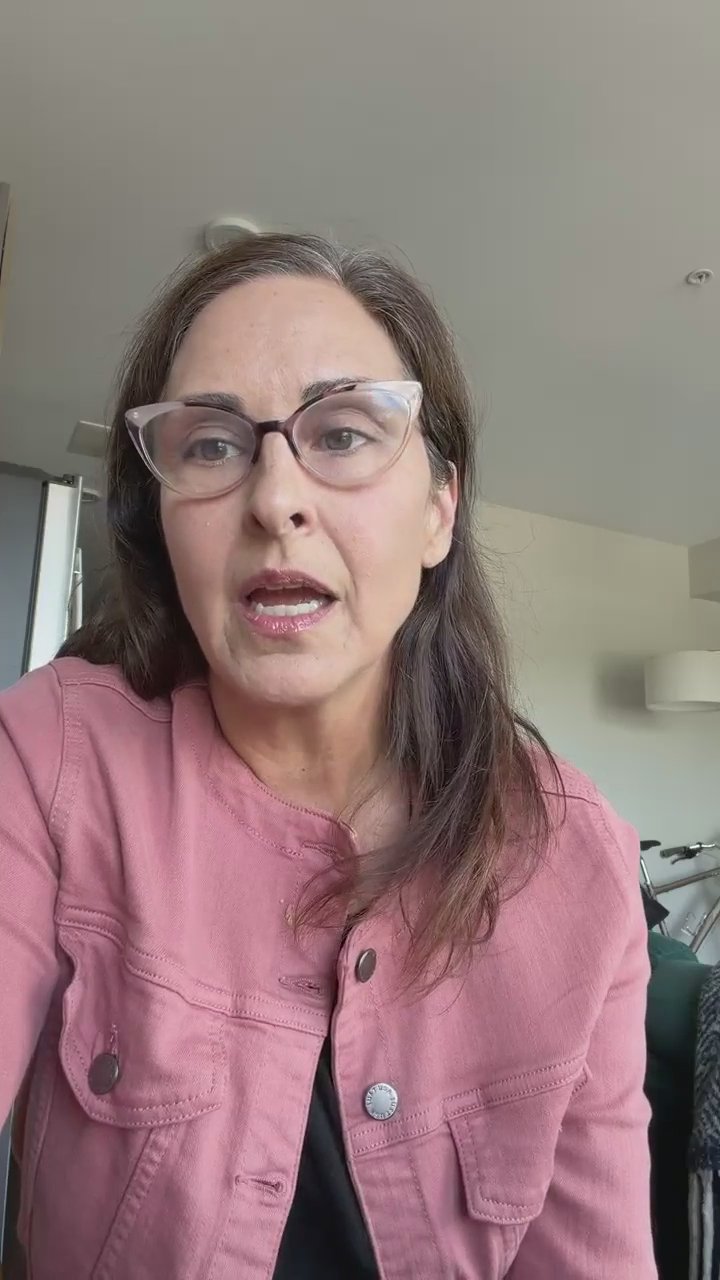
Jen opens the live stream, greets viewers and her dog, and reintroduces the month’s theme of life transitions while mentioning upcoming travel and preparations. This orients the viewer to why she’s revisiting transitions today.
Jen shares that she is newly single, references past breakups and divorces, and explains that these personal changes prompted her to think about how heavy transitions can mirror returns to substance use. This gives personal context for the later explanation of relapse risk.
Jen describes how attachment produces dopamine and oxytocin and how the sudden loss of a partner causes cortisol spikes and craving-like withdrawal responses in the brain. She links this biological reaction directly to why transitions can feel similar to substance withdrawal and potentially trigger relapse.
She warns listeners to be aware that loneliness and the search for connection or distraction can drive people toward substances, and she walks through the likely negative outcomes of using to numb the pain. The section emphasizes awareness that temporary numbing often increases anxiety and depression and can undo progress in recovery.
Jen recommends giving the brain time to rewire, introducing new activities, prioritizing self-care, and leaning on community and NA products as healthier alternatives. She ends by thanking the community, inviting comments, and expressing hope for continued regulation next week.
Hello and happy Tuesday. It is time for Sober Not Somber Hour. I'm your host, Jen Varale. And yeah, I've got my dog Copper here with me today. He's here every Tuesday that I come live to you. We just got back from a walk and I'm gonna head out to another meeting after this, but wanted to welcome everybody in. Yeah, again, August, if you've been paying attention in the cadre sphere, is all about transitions. So if you were with me last week or you watched my live from last week, I was serving NA Bevs at the Yard, Superior Sauna.
There was a event there and they wanted some really great NA options. So of course I'm the person to deliver that. So yeah, I talked about transitions last week and getting ready. for a transition I have this fall. So I'm going to dive into that topic again today with the lens of sobriety as always. And what I want to share today, and I'm also just looking at some notes on my computer just to see Yeah, where I was at. Okay, so last week, you guys, I talked about everything that I was putting in place to prepare myself for a healthy transition because during the month of September, I'm going to be traveling all throughout Norway.
I'm going to be in Oslo and I'm going to be in Bergen, all doing like sauna stuff and it's going to be great. But I was talking about like setting up myself for healthy transitions and being okay while I'm there, knowing that I also have to work. I, at that point, had a relationship, a romantic relationship that I was interested in like really talking about how is this going to play out when I'm gone for a month. And that is no longer a thing. So I am newly single as of Sunday. And it's been interesting working through this transition.
So I just wanted to share a little bit about why these heavy transitions in life can sort of trigger the same things or the same idea as a return to use. I mean, think about what's happening in our bodies when we are disconnected from a person that was close to us and what we're looking for, what we're looking to solve for when that person is no longer there. So it's something to be very aware of in sobriety. So I have 12 years of sobriety, and I was married at the time, now divorced. But about three years ago, I actually did get divorced.
So that was a breakup of sorts. That was a transition that I think could have felt heavy, could have sent anyone into maybe a return to use with alcohol with substance because it's painful. And it didn't. Obviously, I felt pretty strong in my sobriety at that point. At the time that I asked for a divorce, I was about seven years into my sobriety, so I felt pretty solid. And then I had yet a second breakup last year around July, and now another breakup. So I just was thinking about these transitions and breakups and how I could have possibly felt like I needed to turn to a substance to sort of numb this feeling or this missing thing and how it's great that I'm not.
It's great that I'm not, but I have to be super vigilant during this transition time of being with someone, having a partner to suddenly not. Like it's, you know, sometimes it's gradual. Sometimes it comes on really fast when all of a sudden this person is no longer in your life. So I'm taking a pause. I'm going to share today's non-elk of choice. It's called Dry Whit, local to Minnesota. This flavor is Bruce and I love it. So I'm going to sip on that. I sort of had a reset last night with myself, made myself a nice dinner, had 1/2 a bottle of the Dry Whit and was like, You know, I'm going to be okay.
I'm going to be okay. I'm going to navigate this breakup. I'm going to look at the positive things and understand what I can from it. So what I want to share with you is like going through a breakup, right? Like a transition. What I'm thinking about is, oh, I feel like the idea that you can feel like lonely without this person, but what actually happens is the attachment to this person is the same like brain chemistry that you wire or you associate with substance use. So when you're with a partner who gives you attention, affection, connection, you in the dopamine and the oxytocin that comes from being with someone, touch, experience, like someone to listen to you, that becomes like your brain wants that.
It becomes a consistent regular thing and a relationship. And when that suddenly goes away, your brain is like still looking for that. It's still seeking that repeated input, that source of dopamine, of oxytocin to sort of get that. And when that's over, your cortisol spikes, your oxytocin levels drop, and all of these things happen in your body that are very unsettling, very unsettling. And it's also, it could be potentially a trigger for a return to you. So if any of you are new to sobriety or navigating some transitions or relationships or things that are ending, just to be super aware of why you're seeking something because there's a void, there's a withdrawal and your brain knows it.
Your brain is wired to receive these things. You've been getting it and it's natural to feel like, where can I get this if I can't get it in the relationship with this person? And it's just, it's like one of those super uncomfortable times and timeframes and moments in life where You have to kind of sit with that and be sure that it doesn't impact your choices to not drink, to not use substances, because we can imagine where that would lead. If I were to return to use, you know, there's you could, you know, decide to reach out to that person and destroy any self-respect, any intention that you had towards sort of goodwill in this breakup and letting this person go.
So the substance use, if you play the tape forward, will not solve that missing component that you're seeking. So the idea that you can like move into more self-care, yeah, and I'm just looking at my notes, like this idea of like, I'm just I am so lonely. I will do anything to like be out of this situation. So you either want like to seek connection or distraction. But if you can actually remind yourself, your brain is just an acute sort of this withdrawal from your person, your attachment that's no longer there.
So yeah. It's sort of like this craving mechanism that we are still trying to solve for this gap and this missing thing in life. I don't know if I have all the answers, but it certainly helped me to know, and this was even my two prior breakups, to know that this is a natural thing. And I like what one of my yoga instructors said recently, you know, just that this is how it is right now. This is right now. This is for now. It will pass. And time is the only thing that can do that. And to be super aware of it, not reach for a drink or a substance to sort of solve for this because not the answer.
Maybe temporary, maybe for an hour or two, you will be able to sort of numb out, but everything will come back in this horrible loop of more anxiety and potentially more depression. So Being aware of that, being aware that your brain is going through some changes, it needs time to rewire. So I'm going to give myself some space to do that. I'm going to infuse new things that get me excited about the next month in my life so that I'm not looking backward. I'm not trying to solve for something. I'm not trying to fix what's happening.
in my brain, I'm just allowing it space and time to do what it needs to do and also just to keep making better choices. That's why I love that I sort of I have any products in my home and that was an awesome thing to be able to just reach for that and be like, you know what? I'm going to celebrate whatever door closed for whatever reason that often I mean, I just I sometimes feel like we can't explain those things. and look forward to, you know, whatever new doors might be opening. So that's all I have today.
I'm just I'm so grateful for CADRE and this whole community to be here and then to all also, you know, as us contributors share, it helps us with our mental health and well-being. So if you listen to this later, let me know if you have any comments. Yeah, and hopefully when I check in next week I will be even more regulated. Cheers to that. Happy Tuesday.