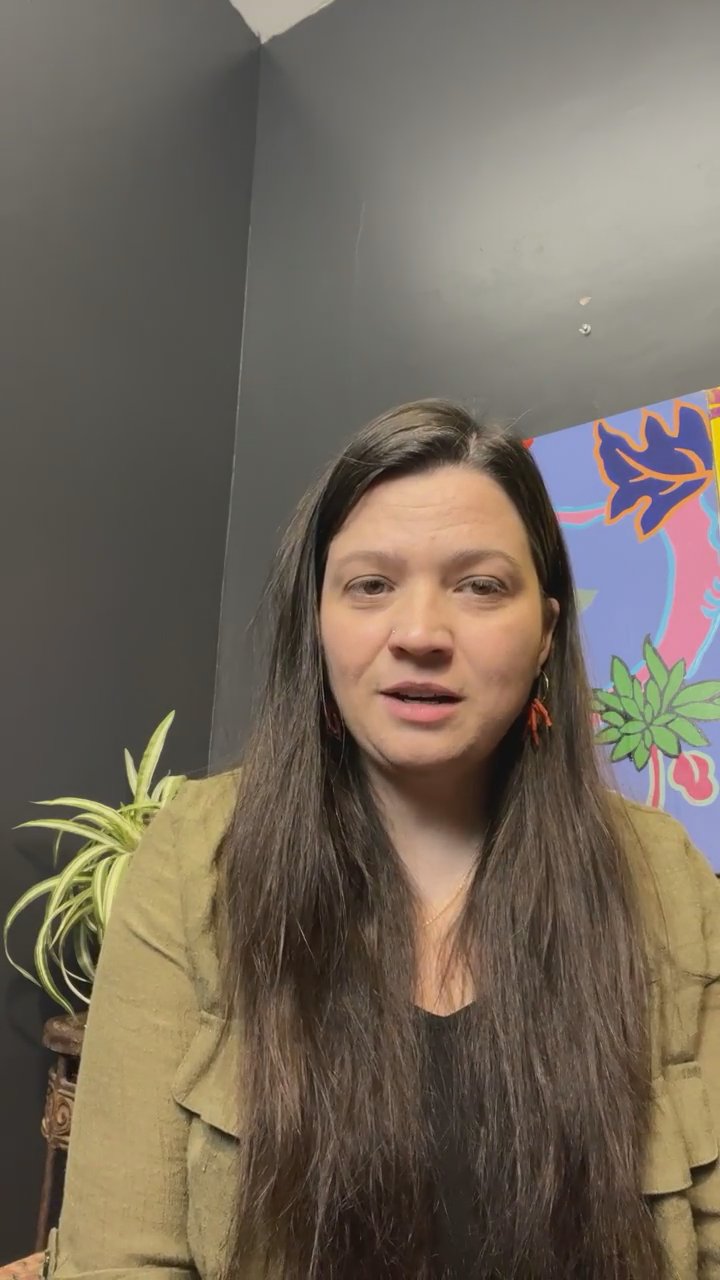
Rebecca Servos is co founder of Marigold, a grief wellness platform. The company roots its work in storytelling rituals and connection. To create something beautiful and vibrant and wise in our lives is a worthy task.
This morning, I wanted to talk about slow relating during grief. Being in relationship with other people while you're grieving or even being a supporter of a griever is a difficult balance. I like to approach it with a sense of slowness and letting things take their course.
When we allow honesty in the grief conversation, so many beautiful connections are made. Connecting to something physical or a sensation can really surpass the small talk of trying to figure out how someone's doing in grief.
So thank you speak wonder for joining. I love knowing that we're all connected across the world. Follow us on Cadre here and we really try to bring an uplifting spin to the conversation on grief. Enjoy your weekend.
Hey, everyone. How are you doing, Cadre? I hope you're having a great Friday morning. Welcome to the grief gathering with Marigold. I'm Rebecca Servos, and I'm co founder of Marigold, which is a grief wellness platform. And we really root our work in, excuse me, in storytelling rituals and, you know, just connection. We really feel like utilizing all of all that is kind of dredged up from the grief journey. To create something beautiful and vibrant and wise in our lives is a worthy task. So it's lovely to have you here.
And this morning, I wanted to talk about slow relating during grief. And the reason why I call it slow relating is because being in relationship with other people while you're grieving or even being a supporter of a griever, it's a difficult balance. There's a lot of tension there, naturally, because one of the people in the relationship is really going through some underground stuff, you know? And it's hard to come back above ground and just act normal and play out your roles in life and just explain to people where you've been.
Right. So having a huge loss in your life, loss of love, loss of a person, loss of an identity, even like losing a job that you really identified with, it's difficult to explain what you're going through to other people. And so I like to approach it with a sense of slowness and letting things take their course, letting conversations be more simple, and not trying to fix things for other people. I'm really going through this right now in my personal life because my husband recently lost his father.
And, you know, I'm a grief expert. I work with grief day in and day out. I think about it all the time. I think about how to approach grief and how to, you know, best relate to a griever. And so often in this time period that he's been grieving, I felt like I haven't been doing a great job at relating to him. And I think it's really natural for us to want to fix things, and it's admirable for us to want to fix things, but it takes courage to kind of step back and be present and be there for what a grieving person needs, you know, rather than performing the act of support.
It's a difficult balance. I'm sure you've all been here in some ways, but I wanted to kind of bring up this idea of slow relating because I have a couple of tips for you to slow down in your relationships, whether you're the grieving person or whether you're supporting someone who's in grief. And first is that when you're not sure what to do, and the person that you're relating to within the grief journey also seems to not know what to do. I recommend using honesty. And I really feel like this is the only way that we can kind of normalize grief and create a revolutionary response to grieving.
And I say revolutionary because historically, grief has been just swept under the rug and something that we do in private and something that we don't talk about. But when we allow honesty in the grief conversation, so many beautiful connections are made. I'll just give you an example. I had a pregnancy loss about 14 years ago now, and I hadn't told many people that I was pregnant. So it was really hard to tell people that I had lost the baby, you know, and I ended up just crossing that difficult bridge and telling some of my close friends and family members both things, that I was pregnant and that I had lost the pregnancy.
And I couldn't believe the amount of people that were close to me that also had the same experience, and I never knew it. Cause they also didn't feel comfortable talking about it. And I have found, in my support of grieving people over the last many years that those connections are lying right under the ground that we walk on, and they don't come out until we're honest about them. And, you know, I talked to one of my cousins who had a similar experience when I opened up to her about that. And our relationship has completely changed since then.
Like, it's a million times deeper, and we understand each other in a different way. And so I really. I offer you this tip because it will grow so much out of your pain to be honest with people. And, you know, you might be wondering, like, okay, how does this translate to, like, when I'm at work and people are acting awkward or they don't know what to say, and people say, how are you? That question can be, like, so off putting to me because, how are you, man? That's a huge question, right, if you're going to answer it honestly.
But it's awesome to gather up that bravery in yourself and tell someone, like, I'm not really doing okay today, or, I'm struggling. That little bit of honesty in those couple of words can offer them a space to support you, you know, really support you and not just give you their condolences. A lot of us really don't know what to do to support grievers. And the moment that that door of honesty is opened, it's like, oh, even they can even feel like, I see you. I've been there. Or, you know, man, it's hard to be at work today when you're feeling like that.
I've even seen people, you know, answer that honestly, and the boss is like, oh, my gosh. Go home. Get out of here. What are you doing? Like, we got you. We're family, you know? So honesty on both sides. Griever and supporter. And also, another tip that I have is telling. Sorry. Connecting to something physical or a sensation can really kind of surpass the small talk of trying to figure out how someone's doing in grief and how you can support them. So I've noticed that a lot of times, sitting with someone in grief, you can cross this kind of chasm that's between you with something as simple as being like, do you want a cup of tea?
You know, or, I made you something, and bring them some food. Like, tapping into that sense of taste, that sense of smell. It can really bring the grieving person present and allow you to support them in a way that doesn't require words and doesn't require you to know how to fix it, and you're just simply being present. And oftentimes, tapping into these sensual connections between us allows space for storytelling. So imagine you're sitting down with a friend who's just lost their parent, let's say, and, you know that their favorite is ginger tea or cappuccino.
Like, you bring them their favorite thing because you love them, you want to support them. And, you know, that's something that kind of lifts them up. This is a beautiful, beautiful entry point into being there for someone, you know, and having that space, that calmness, that sense of understanding. Like, they will feel it when they know you brought them their favorite drink. It allows them that sense of safety to be able to be like, let's talk about this, you know, so we can really surpass the platitudes and the condolences.
Condolences with honesty and presence and, honestly, sensuality, like, utilizing the senses that we have and the ways that we can find pleasure in those places, like offering something beautiful, like a beautiful food that you've made their favorite, even if it's, like, not considered healthy or soothing or warm. Like, if your friend's favorite thing is a bag of hot Cheetos, do it. Bring it to them. Light them up. Show them that you know them, you see them, and you're there for them. And I would love, you know, for those of you who are here and those who are watching later, if you kind of think of a memory of a time when someone really you felt seen in the way that they supported you.
We need to highlight these experiences more so that people are not just stuck in this place of not talking and not telling our stories. Making grief a normal part of our conversation can really deepen our connections and give us better ways to heal from the grief experience. So thank you speak wonder for joining. And I'm out in New Mexico, so I see you're from Pennsylvania. I love knowing that we're all connected across the world. It's beautiful to spend this Friday morning with you all and connect with us at Marigold.
Follow us on Cadre here and we really try to bring an uplifting spin to the conversation on grief. So talk to you all soon. Take care. Enjoy your weekend. Bye.